Watching an Operation

Richard Dimbleby himself described his Middle Eastern adventures in detail in that very readable book ‘The Frontiers Are Green’ published by Hodder and Stoughton. It is now out of print but available in libraries. This extract gives a sample of its flavour, and also of Dimbleby’s continuing interest in surgery:
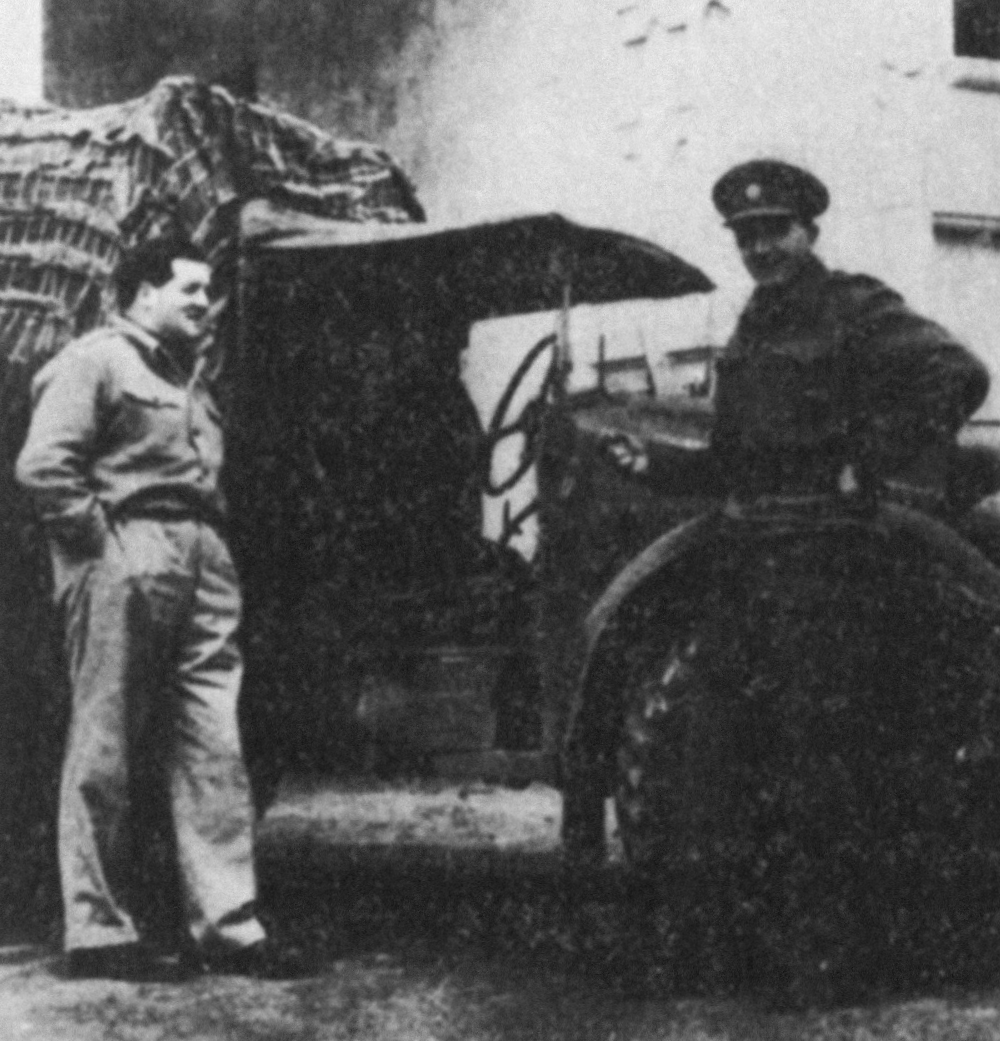
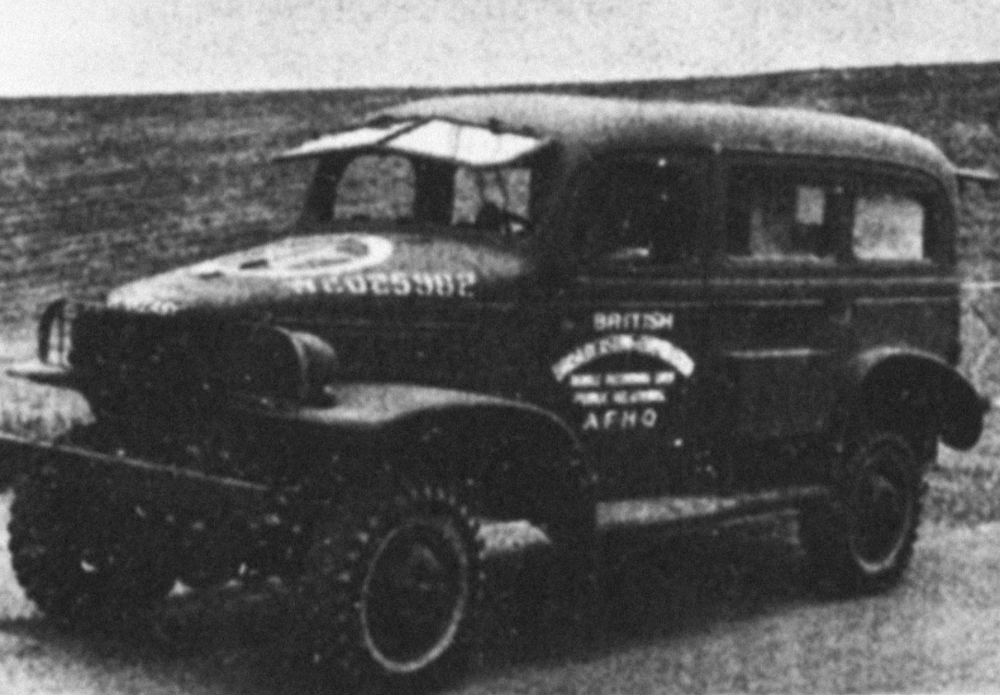
Two men stand beside an open-sided car
With F. W. Chignall and recording truck, Benghazi, January 1942

One night when the Germans were pressing forward and our tanks, guns, and infantry were falling quickly but methodically back, I was in a casualty clearing station. The battle was not far away; the noise of it penetrated the heavy canvas walls of the hospital tents, and occasionally a heavier or nearer explosion shook the medical fittings laid out in the operating theatre. The casualty station lay in the enemy’s path. A sudden advance would engulf it and the wounded men who sat or lay in its wards. Several field hospitals had been overrun in desert battles; one, an Indian unit, had changed hands three times in a single day. The British doctors did not stop work nor did they have time to do more than glance at the German doctor who was using the spare operating table for his own casualties.
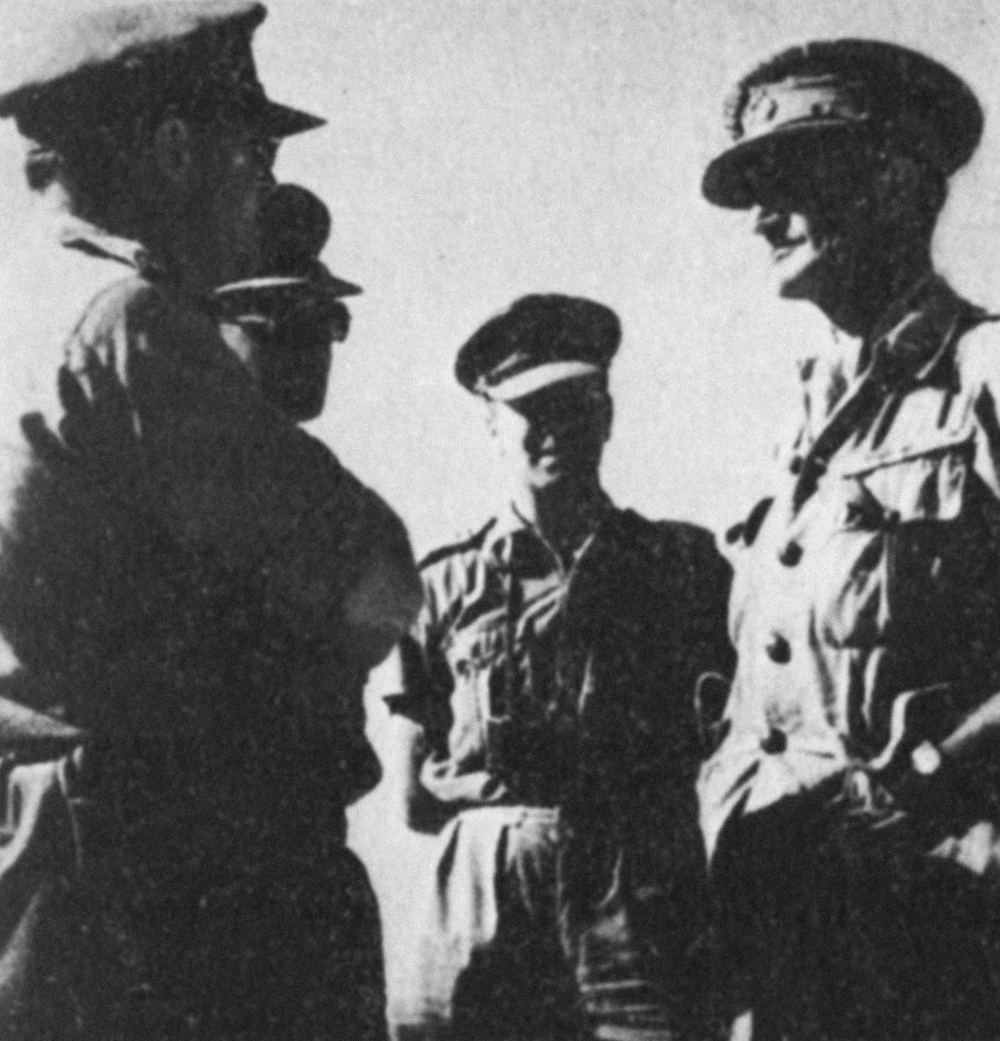
Four men in uniform talking
With Major-General W. H. Ramsden, Commander 50th Division, Middle East

There had been some stiff fighting on the day that I went to the C.C.S., and a queue of thirty men waited outside the tent. It was nearly dark, and on the western horizon flickering lights showed the battle area. Bombers and fighters had been thundering low overhead all day, and at tea-time a Messerschmidt swooping low over the Red Crosses of the hospital had machine-gunned the wards, and missed. The evening lull was spreading over the desert, and the single groan of a wounded man sounded from the ambulance where he lay with his arms broken. I pushed back the blanket at the entrance to the operating theatre and entered the light trap that preserved absolute black-out. The blanket dropped into position behind me and for a moment I stood in the pitch-dark entrance, smelling ether through the second blanket. There was a clinking and rustling inside, and a voice. I lifted the flap and a beam of bright light shot through. In the middle of the tent three men robed in white were standing at a polished steel table. Directly above them a powerful bulb shone against the bright insides of petrol tins, split and flattened round it to reflect the light to the table. A copper steriliser was bubbling and hissing and letting out fussy jets of steam. An orderly in khaki with a gauze pad over his mouth was packing the sterilising drum with dressings. His shirt and shorts were the only touches of khaki; everything else was white and spotless. All except a long enamel dish on the ground which had a dirty leg in it. Someone had thrown a cloth over the leg, leaving the toes sticking up, blue and grubby.

I looked hurriedly away and caught the eye of the surgeon, who raised his gloved hand in greeting. He spoke to the orderly.

‘Right. He’ll do. Keep him warm.’

The casualty was lifted from the table and carried out, breathing stentoriously. The leg was also carried away, I presumed for burning, and the orderly began cleaning up the litter of bloody dressings and instruments. Two bombers roared over the tent. The surgeon, who was washing at a bowl of steaming water, took no notice. He had taken off his mask and I saw his tired, strained face. He smiled across to me.

‘These battles are hell. That’s the fourth amputation today and the fourteenth operation. I’ve been at it since eight o’clock this morning and there’s a queue like Bank Holiday at the cinema. Get a move on Jenkins’ – this to the orderly, who was preparing a clean mask and fresh rubber gloves. As soon as the surgeon was dressed again, the orderly lifted the tent flap and called in the next man. He was a burly tank driver with a field dressing twisted round his neck. He had been bleeding, enough to soak the dressing and stain his shirt. He came forward hesitantly into the bright light.

‘What’s the matter with you?’ asked the doctor.

The man pointed to the bandage. ‘Something went in here, sir.’ He spoke huskily, his words wheezing out as though the sound were indeed escaping through a hole in his neck.

‘Hop up on the table and let’s have a look at it.’

The man stood still.

‘Come on, jump up,’ said the orderly.

The driver hesitated a moment, then spoke to the surgeon. ‘I’d rather not, sir. I’ve read the regulations and I can refuse an operation.’

The surgeon stared at him. The man was weak and exhausted, his face showed clearly the strain of a week’s heavy tank fighting.

‘Then what the hell are you wasting my time for? There are fifty other men waiting outside. If you don’t want treatment, get out of the way.’

The man said, ‘Thank you, sir,’ huskily and turned to go. As he reached the door the doctor called after him: ‘By the way, you’ll be dead in a week.’

The driver went on, and the doctor grinned at me. ‘That always gets ’em. He’ll be back later.’

Two bearers brought in a stretcher and laid it on the table. On it was a black soldier, a ‘boy’ from one of the South African gold mines. A chunk of shell had ripped its way into his back. He was conscious and rolling his eyes.

‘Ever seen a major operation?’ asked the surgeon.

I said no.

‘Well, come up to the table and watch. It’s quite interesting.’

I remembered stories of what happened to medical students when they watched their first operation. I could find no excuse for going outside. I moved up to the table.

The anaesthetist at the man’s head was adjusting the controls of his machine. I tried to look bright and confident. I said to the black boy, ‘You’re all right now. You’ll soon be better.’

He smiled faintly and gave a little groan. Then he said in a very low voice, almost a whisper:

‘My mother – she’ll be crying for me.’ He looked at me once again as the mask was put over his nose. It was the look of a dumb, frightened creature. I wanted to take his hand and say something to comfort him, but it was the anaesthetist who spoke. ‘Breathe,’ he said, bending down to speak in the boy’s ear, ‘breathe.’
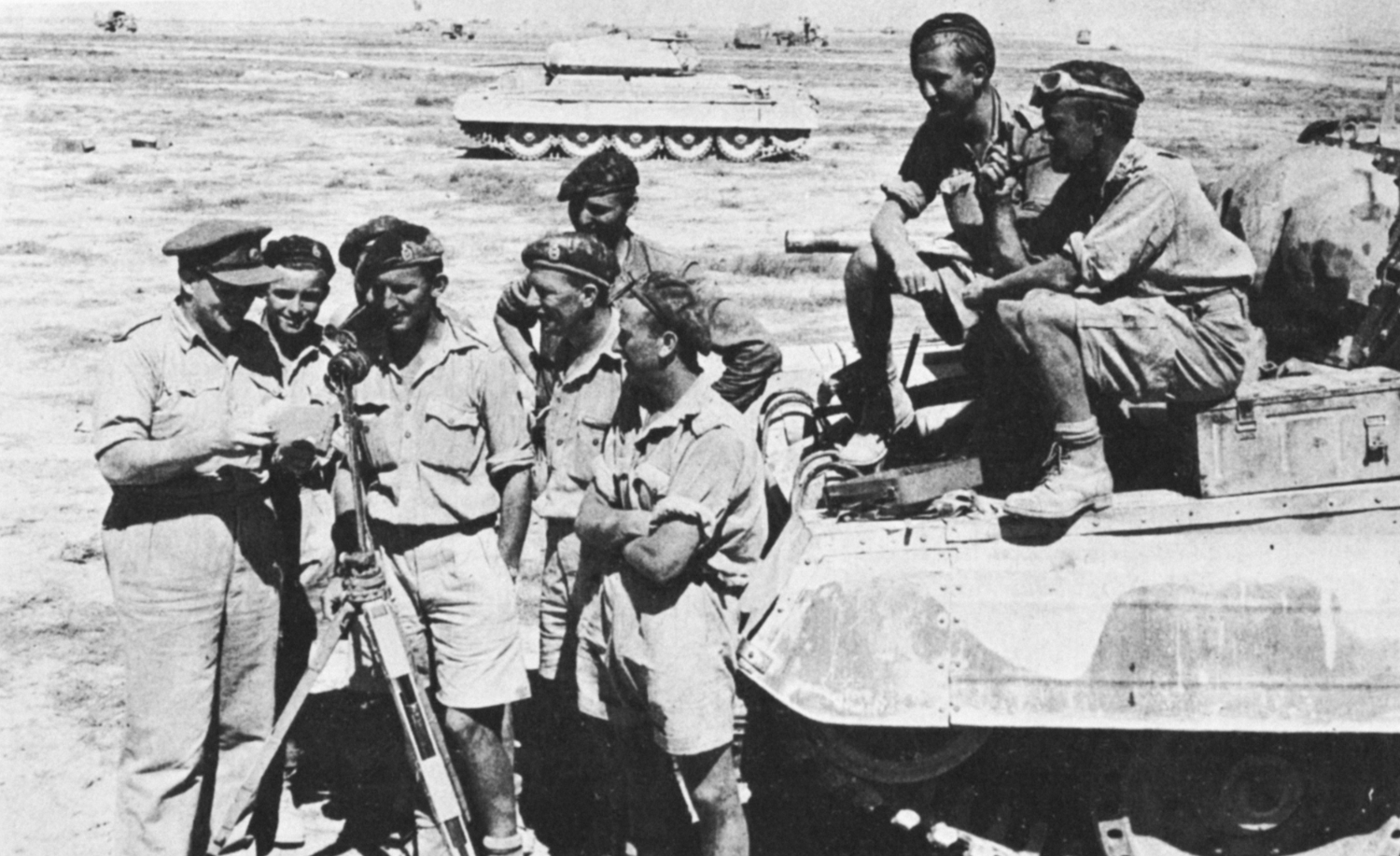
Soldiers in the desert sit on a tank and stand around a microphone

The surgeon stood waiting. Presently the South African relaxed. The anaesthetist nodded and the doctor took a shining knife from the orderly. ‘Here goes,’ he said. I held my breath, unable to tear my eyes from the small patch of bare stomach that had been swabbed clean with spirit. For a second the surgeon held the knife poised over the black skin, as though measuring his stroke. Then it flashed. A thin scarlet line appeared in the flesh and a little blood spurted. ‘Swabs,’ said the surgeon, and packed gauze into the opening. Then he cut deeper and dropping the knife into a tray, held out his hand. The orderly put a few tiny clips into it and with these the sides of the wound were pegged back until it was a red mouth in the glistening wall of the stomach.

The man was snoring jerkily, and the anaesthetist held up a hand. The surgeon waited. His colleague listened for a moment and adjusted a silver wheel. He listened again; then nodded.

Somebody was being bombed; each crump shook the tent, and I could hear the anti-aircraft guns coughing. I thought the battle had come nearer. No one else in the tent seemed conscious of its existence. The anaesthetist and orderlies were motionless at their posts. The surgeon had plunged his hand through the hole and was bringing out various innards, placing them on the top of the stomach. I saw them through half-closed eyes; they were not so unpleasant. I thought of the shattered men I had seen in slit trenches and anti-tank positions. This atmosphere of cleanliness and perfect order was more acceptable.

The surgeon had his hand inside the unconscious man’s body. He was feeling and probing with surprising energy, and talking half to himself, half to me. ‘This bit of metal’s got itself in an awkward position. Nothing this side – nothing over there but guts.’

As he explored, I imagined him back in Auckland, New Zealand, where he was one of the best-known surgeons. Now he was working as deftly and with as much concentration as if he were in a hospital at home. Thus he worked on every man brought in, though he was stiff with fatigue. No man did more for the army in the desert than this New Zealand surgeon and the other doctors like him who worked on the battlefield.

The battle continued, and against its drumming and rumbling I listened to the snores of the unconscious South African. I was standing close by the table, remembering how I had once wanted to be a surgeon, when the New Zealander exclaimed ‘Here it is’, and drew from the gently moving stomach a jagged fragment of steel. He looked at it for a moment and then without warning, tossed it across to me. ‘Catch,’ he grinned. I caught it; we always try to catch things thrown unexpectedly, even grisly slivers of metal with blood on them. As soon as I closed my hand on the fragment, I let it drop in disgust. It was warm and slippery. The orderlies thought it a great joke; one of them picked it up, washed it and returned it to me.

The surgeon, having made sure that no other splinters remained inside the South African, was sewing up an intestinal wound, balancing the torn organ on the palm of one hand and stitching away as industriously and as deftly as a woman darning socks.

‘I’m just a cobbler,’ he said. ‘I spend my life sewing up holes in people. It’s a foul job, really.’

‘Will this man recover?’ I asked.

‘Recover? Good God, yes. He’ll be up and about in three weeks and back with his unit in a couple of months. They’re very tough, these black boys, and I’ve made a good job of him. Look, isn’t that pretty?’ He displayed the sausage-like intestine, neatly cross-stitched on one side. Then he pushed the contents of the stomach back to their proper places, juggling with one intestine that kept popping out of the hole. When all was settled, the orderly poured half a bottle of disinfectant straight into the stomach and helped the doctor to sew it up. A dressing was applied and blankets were tucked round the sleeping man. We followed the stretcher bearers out into the cold air and the surgeon came out with us. He had taken off his mask and gloves and outside in the moonlight he wiped his sweating forehead. I offered him a cigarette. ‘No, thanks,’ he said. ‘No time now. Look at that lot.’ He indicated a bedraggled queue of men standing, sitting and lying outside the big tent. At the head of the line was the tank driver who had refused an operation.

‘Hullo,’ said the surgeon, ‘changed your mind?’

‘Yes, sir,’ croaked the driver, fingering his bloody neck. ‘Can you do something for this, sir? It’s beginning to hurt.’

The doctor pointed to the tent. ‘Hop inside and wait for me.’ The man saluted smartly and went through the doorway. ‘They always think better of it,’ said the surgeon. ‘Funny how obstinate they can be. Damned good chaps in battle. Well, I hope you enjoyed yourselves. Good night.’
Report on Spartan

Dimbleby himself wrote a confidential report for BBC News analysing the lessons to be learnt from the Spartan exercise for the reporting of war in the medium of broadcasting. It was typical of his very practical and constructive approach to the problems of his profession. It also gave an insight into his view of a correspondent’s proper bearing in wartime.

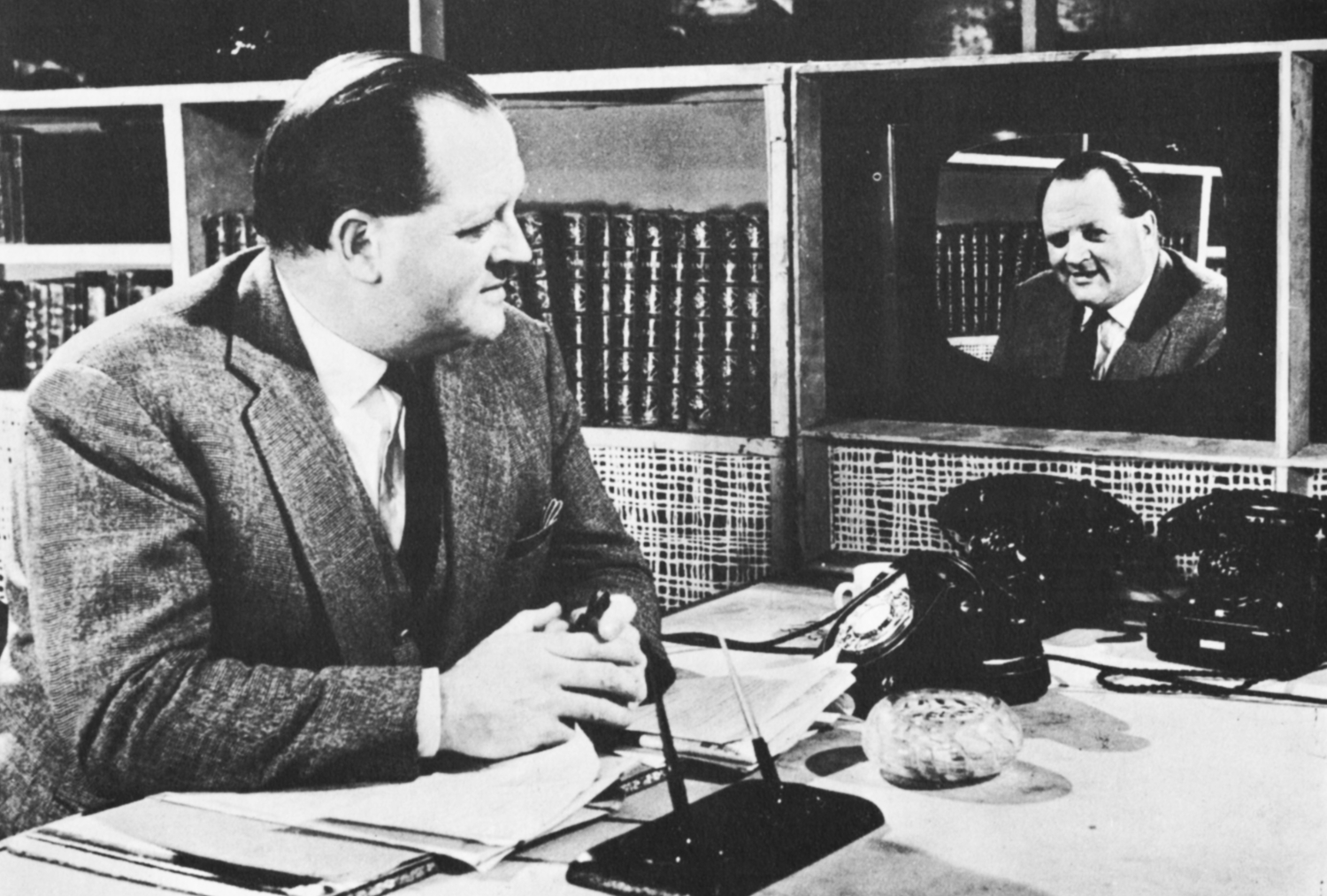
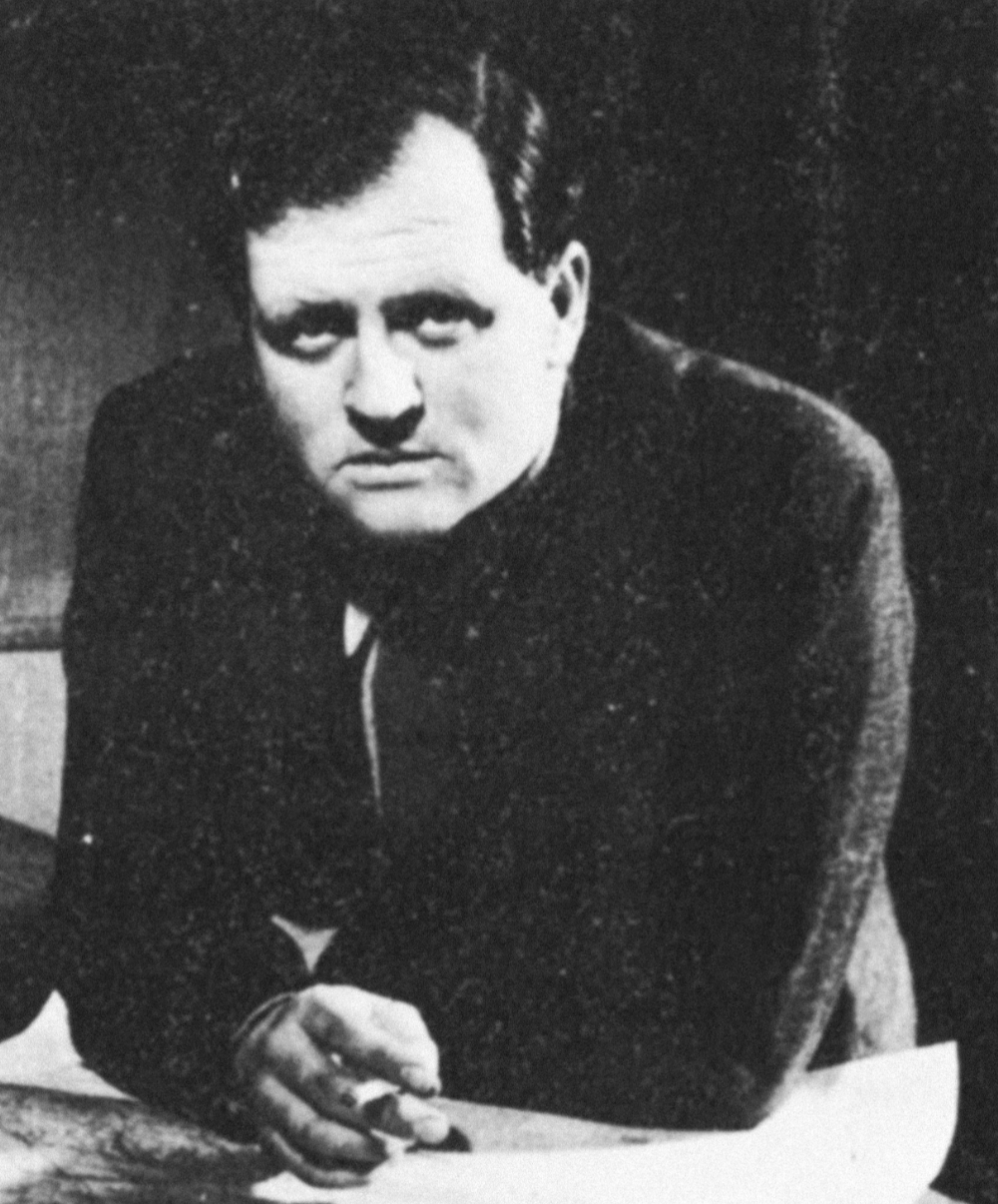
Dimbleby leans over a desk, holding a cigarette

The Exercise

The exercise showed yet again that war correspondents are welcome among troops in the field. The Canadians in particular provided excellent facilities for obtaining information. With the sole exception of a few of the Household Brigade officers, I experienced no difficulty or unpleasantness whatsoever. Household officers always take longer to thaw.

The Team

In principle, I feel that the idea of a team in the field has been found workable, but I suggest one or two minor changes in the method of working.

Spartan has shown that the news observer with the team has his hands completely full with his own job; it is most unlikely that he will have any great length of time in which to co-operate actively with the Outside Broadcasts or Features man. The will to do so should be there, of course, but I do not believe that the speed of the battle will give the observer time for anything much beyond his own despatches.

In the past there has been criticism of observers in battle areas because they provide too much ‘situation’ material and not enough eye-witness descriptions. Spartan has shown that a combination of the two techniques is no longer possible. In this exercise, which was a close approximation to expected battle conditions, Force headquarters was generally seventy miles from the forward area. At the same time Corps Headquarters were unusually near the battle, while Divisional Headquarters were closer to the actual fighting than I have ever known them to be hitherto.

Hence it is not possible for the observer to visit Force Headquarters daily or even twice weekly for a basic general picture of events; he must concentrate on the forward Headquarters. This means that his daily picture can be fully representative of one or perhaps two Corps sectors but not, except in unusual circumstances, representative of the entire battle front. At the same time he can concentrate on the sector where the most important, and, in the eyes of the world, the most ‘news-worthy’ battle is being fought, and should therefore be able to provide an adequate and accurate daily picture for broadcasting.

This new proximity of formation Headquarters of the battle will bring one advantage. Although the observer will have to concentrate on the various Headquarters for his information he will be sufficiently in the battle to embellish his situation story with ample general colour; he will in fact achieve something not far removed from the impossible combination.

The pure local colour, the reporting of the incident, should be handled adequately by the Outside Broadcasts man, who should not attempt to give any general picture even of a battalion front. It seems to me important that the Outside Broadcasts approach should be of the ‘here I am in a ditch’ type; his report will then be found to spring naturally from the more general despatch given by the observer.

I suggest that the title of ‘team leader’ should be dropped forthwith. I am sure that de Lotbinière (who functioned excellently during the tricky conditions of Spartan) will be the first to agree that no one can be a ‘team leader’ while he is back at Force or Army Headquarters; nor should he come forward from those Headquarters or he ceases to fulfil his function of Liaison Officer.

May I suggest that his title be changed to ‘Liaison Officer’, and that in this capacity he should write and record with the static apparatus provided a daily basic summary of the whole battle situation gained from the excellent information room provided at Army Headquarters? In this way BBC editors will have the basic situation without colour or detail, for broadcasting or not, as they choose, and a livelier and more detailed despatch from the observer, covering the most important sector, plus an intimate running commentary from one of the interesting points of that sector. The Features man should select his material from the facts covered by the observer. In our case, Barr found this the right level at which to work.

I am sure that the above scheme outlines the best method of working, at least for maximum accurate coverage. It is also sufficiently flexible, as the Liaison Officer can provide at least general material if poor communications cause the observer to miss a despatch.

Communications

Here certain changes and improvements are urgently needed. At present the team has a truck and a car, but the Public Relations transport shortage which has obtained on all fronts since 1939 prevented our having a War Department car in addition. For the purpose of Spartan we used the static BBC car, an uncamouflaged civilian saloon which would in fact be useless. It is not reasonable to expect anyone to travel inside the Humber trucks. I know from desert experience what kind of torture it is to ride in the back of a truck on active service. A second vehicle (a car) is necessary for use with the truck.

The Austin saloon which I used during Spartan was grossly overloaded and rendered topheavy by a wire mattress spread over its roof. I doubt if its springs would hold more than a week or two on the roads of Europe (such was our French experience with the Wolseley in 1939-40). However, a vehicle of the type (i.e. a fast car or utility) is essential for the observer, whose whole efficiency depends on rapid mobility. The observer also needs a Jeep (for which I urge that application should be made). This would save time and petrol and greatly increase the observer’s margin of safety and reliability. Instead of carrying the whole recording unit from area to area along the fronts, he could hide it in a suitable place in the Headquarters area and make his personal calls on the fighting units by Jeep. These fast little vehicles – ample for conducting officer and observer – are ideal for use well forward, and do not give offence to well-camouflaged Corps and Divisional Headquarters when tucked away under a bush or tree.

It is most important that the Army should not provide a driver for the Jeep. At present the observer has no driver problems and can move in his own way and at his own speed. Moreover he would have a spare seat on the Jeep for the Features man, if the latter wanted to visit a certain area with him. I think it possible that Public Relations will make difficulties on the ‘no driver’ question. But I assure you that this is simply because of ‘establishment’, and the red tape of regulations. Once in the field all difficulties disappear, but we must have the Jeep with us when we go.

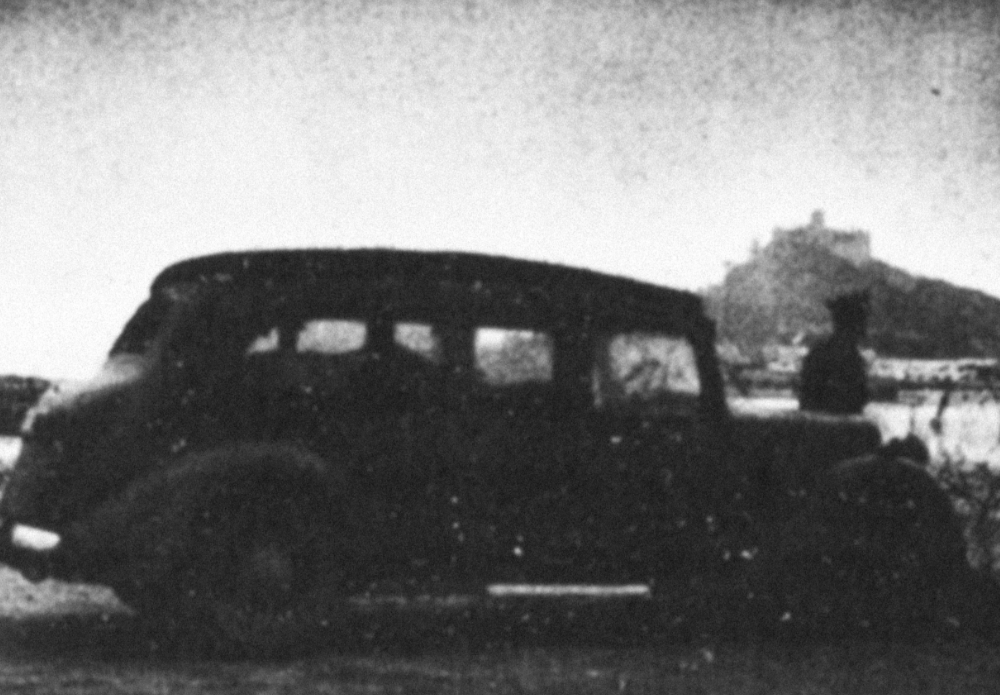
A long saloon car
The topheavy recording unit used for Spartan

I have stressed the needs of the observer because he, above all others, must be mobile. His job consists of moving from area to area and I urge that his transport needs should have special attention.

For the purpose of general liaison and communication it is essential that at least two despatch riders should be put at the BBC’s disposal by Public Relations. I cannot over-emphasise the difficulty of finding formation headquarters during a moving battle. I believe that I have had more experience than any other correspondent of finding headquarters in action and in making use of systems of communication, but I have never known the job to be so difficult as it was during Spartan. To find a Canadian Armoured Corps Headquarters in order to catch their despatch rider may mean a search of three or four hours, which, as a daily proposition, is clearly absurd. The observer must have one despatch rider following him or the recording car, everywhere. This despatch rider can take despatches back direct to the Liaison Officer at Force Headquarters for transmission and return to a pre-arranged spot.

A car converted to an off-road vehicle
The mobile recording unit developed after Spartan

This is the only way of ensuring daily communication. I asked repeatedly for a despatch rider in the desert but could never secure one because of the general shortage. There can be no such shortage here, and I suggest that the BBC apply for two – one for the Liaison Officer and one for the observer. The first despatch rider can also be used for the convenience of the Outside Broadcasts and Features representatives and, indeed, it might be possible for the observer to arrange his despatch rider’s schedule to suit either of the other men if they are working in his sector. Such an arrangement would have to be determined by the observer.

Personnel

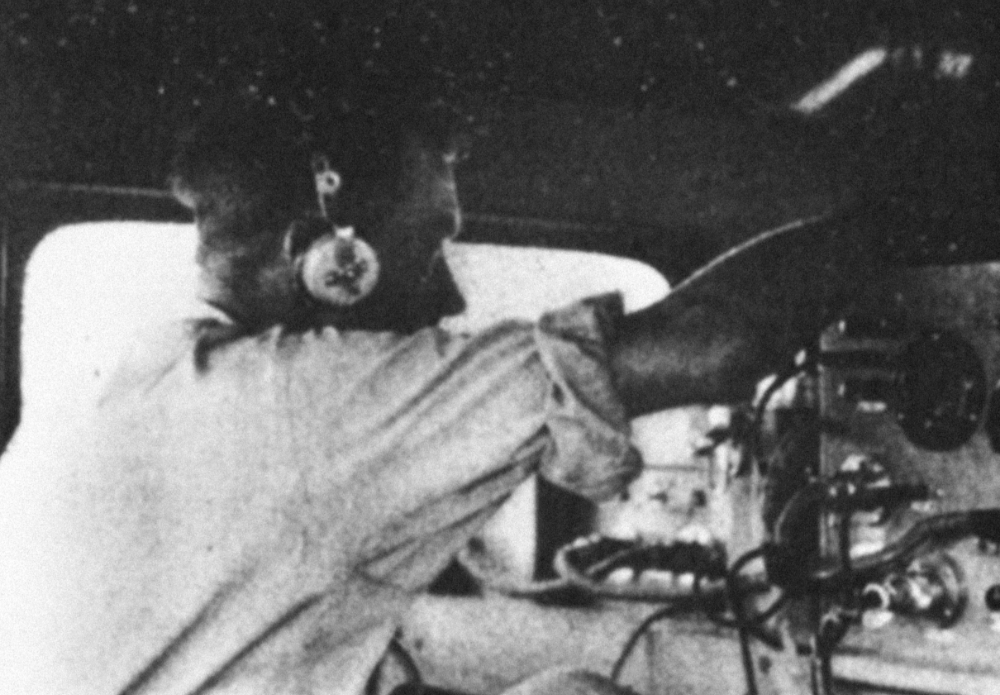
A man in. headphones operates radio equipment
W. R. Arnell operating recording equipment

This is a delicate point that I must raise. I am sure you will want to consider it at your discretion. I feel that the senior engineers of the Corporation should be asked to choose only with the greatest care the recording engineers who are to wear war correspondents’ uniform. At present they do not seem to realise that by donning the uniform, the correspondent is assuming automatically the status and most of the privileges of an officer, a status for which any soldier or officer-cadet must work and train. I regard it as an honour to be an accredited war correspondent, and I think my view is shared by the few of us left who had the privilege of being the first correspondents to go to France with the Army in 1939. We were the people who had to break some very thick ice and establish ourselves as trusted observers. We managed this successfully, and as a result, during Spartan exercise, I was continually meeting officers of Field and General rank who were friends of mine in France and the Middle East. But it is not enough to be on friendly terms with these men; to win their full confidence you must show a sense of military discipline and bearing.

I have learned how to conduct myself in the field and at formation Headquarters by three years of hard practice. Last week I was given as engineer and travelling companion a young man who had never worn a uniform in his life until two days before, and who most certainly would never have passed the elementary tests of officer-cadetship. He wore his field cap at a rakish angle and had a cigarette drooping from his lips from early morning until he went to sleep at night. He addressed private soldiers, military policemen and sentries as ‘old boy’. At least on one occasion, in my presence, he addressed an elderly War Office General by calling at him ‘I say’, again with the cigarette dangling. He kept it there while he talked, and when he had finished he gave a friendly wave and turned away. The cigarette was still there.

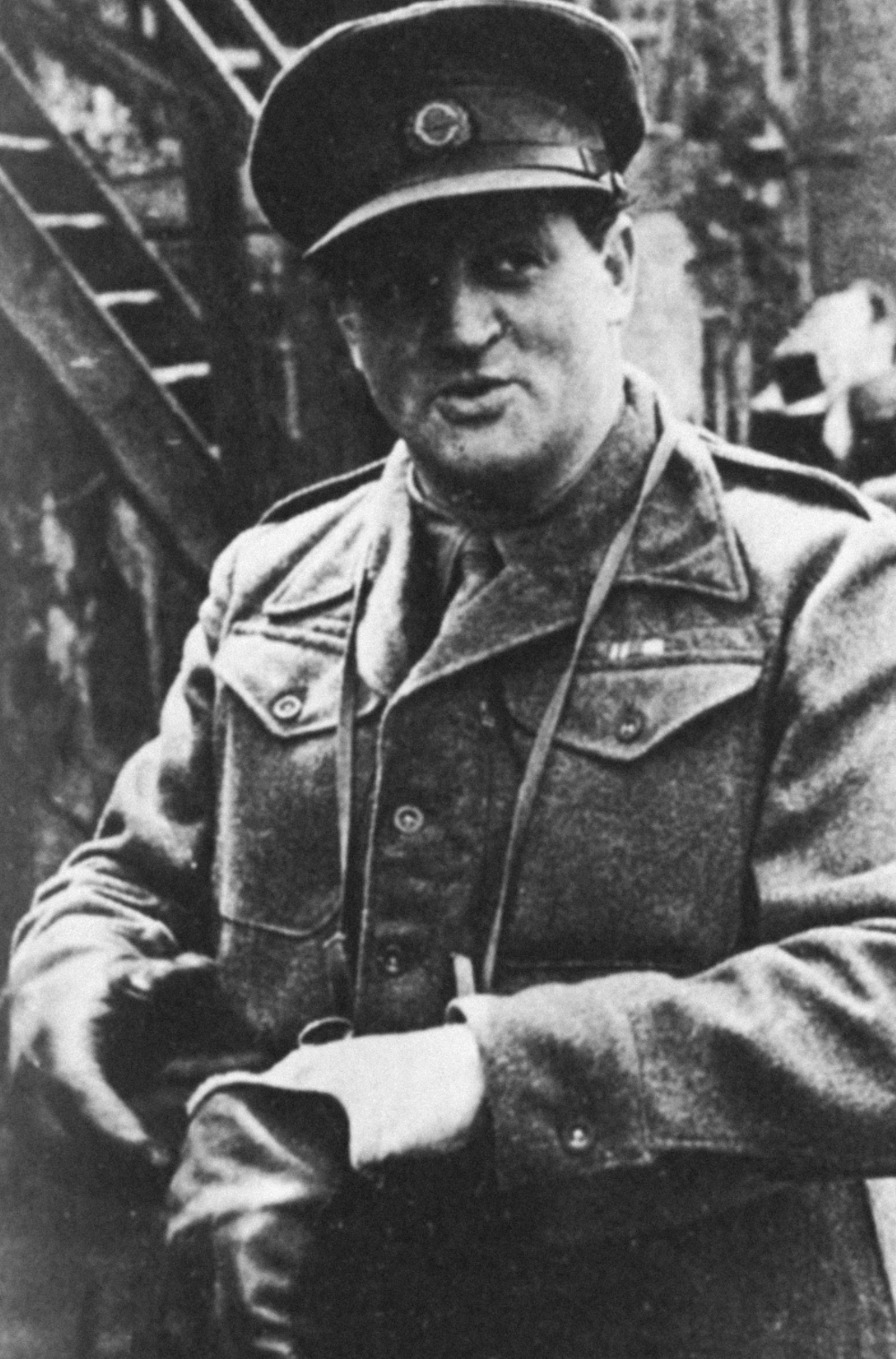
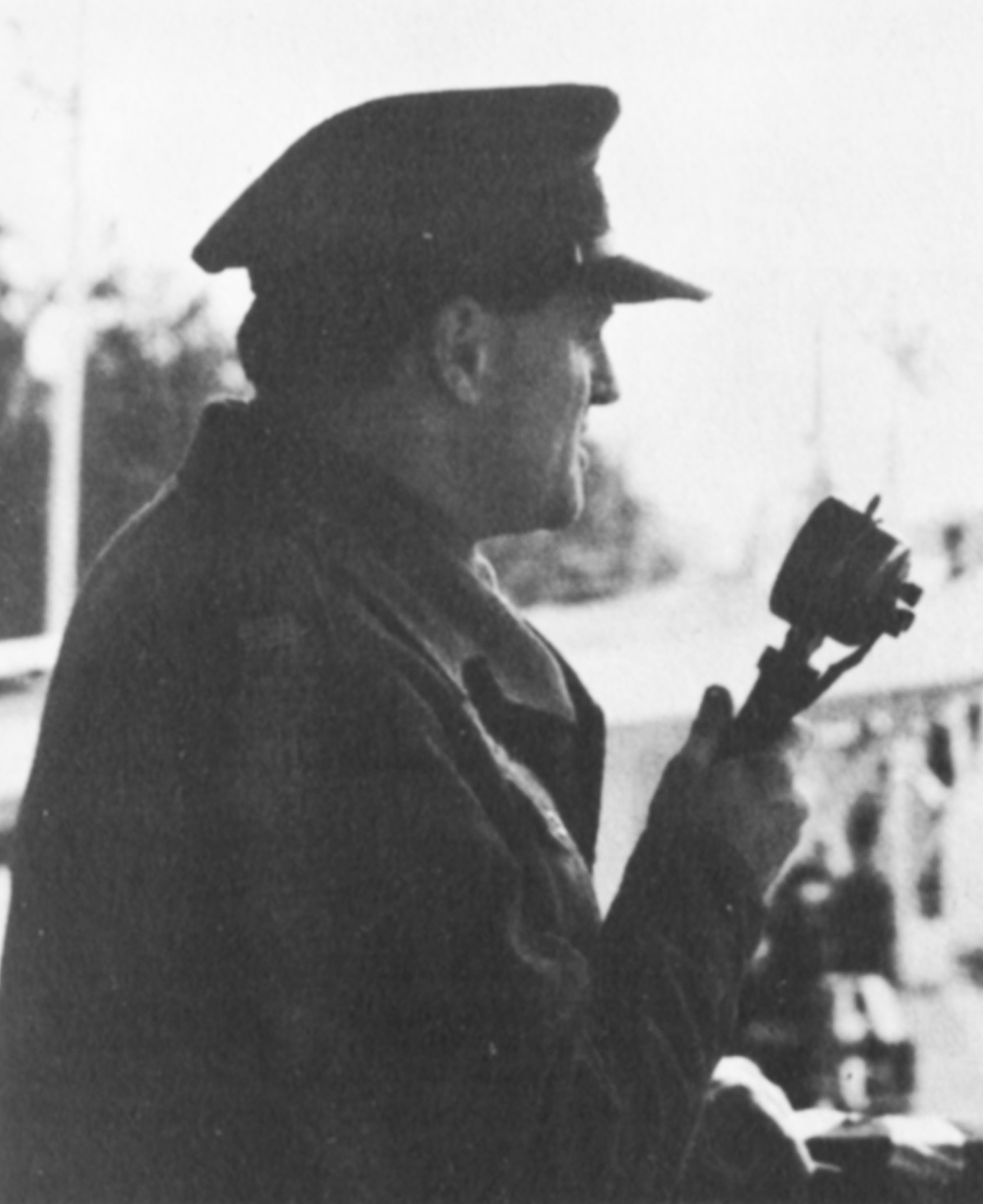
Dimbleby in uniform

I hope you will not suspect me of being a ‘Colonel Blimp’. No one hates more than I do the unnecessary mannerisms of, for example, the Household troops. I am interested only in doing the war-reporting job efficiently, and I know from experience that we cannot succeed in our job if any one of us behaves grotesquely in a purely military area. Such people as that engineer will only be looked upon as oddities that should be better employed in an infantry battalion. We simply must fit ourselves into the landscape and conduct ourselves in accordance with the rank whose privileges we enjoy. It was a particularly embarrassing business for me as I know so many of the officers taking part in Spartan.

I wonder if you could find some way of ensuring that we have in a battle team only engineers who can hold their own in this respect. We must remember that in the eyes of the Army we are all officers and all of the same approximate rank. The newspapers are particularly bad in this respect, and personally I should like the BBC to set a better standard.

War Despatches

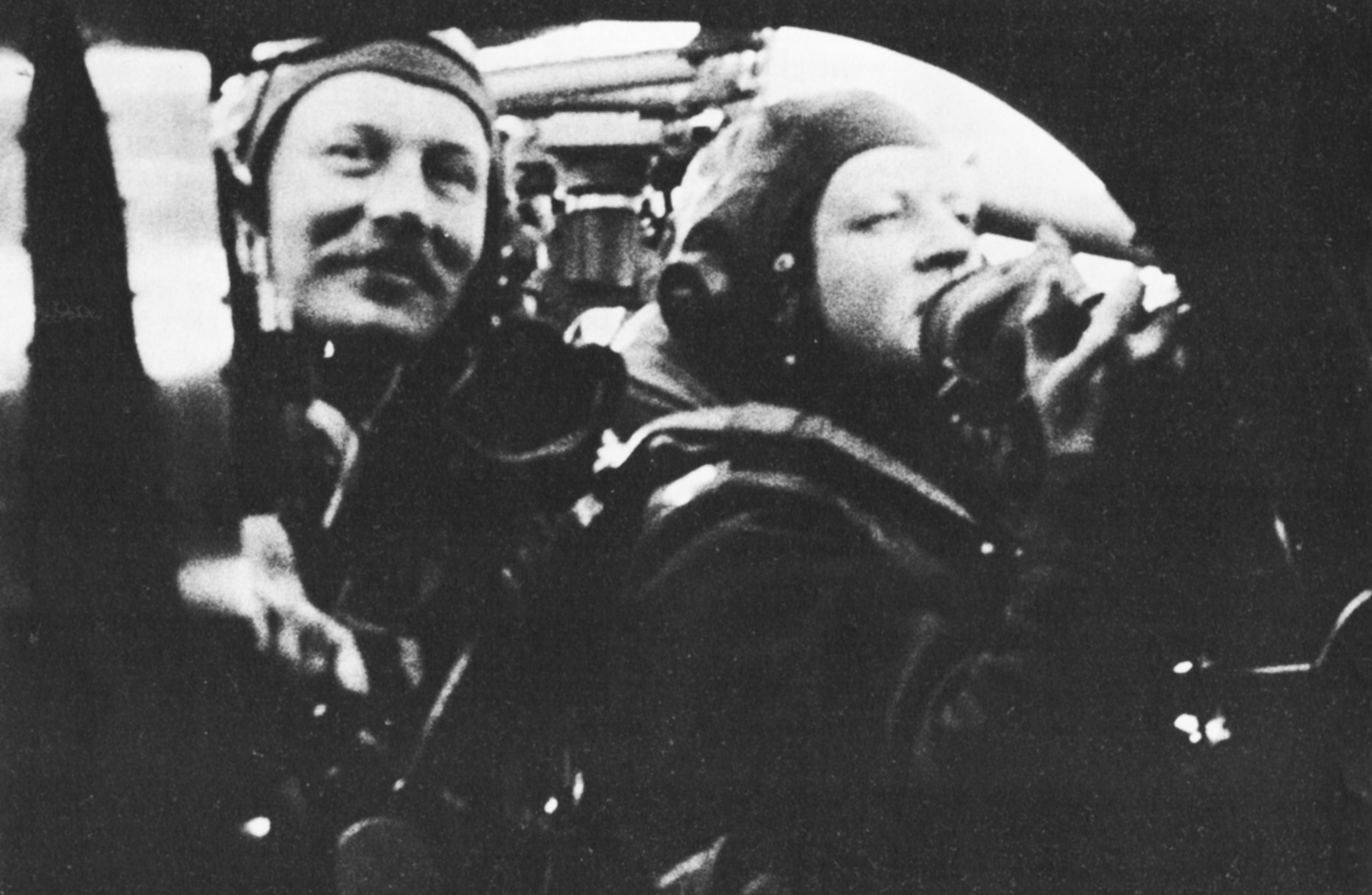
From then on Dimbleby had all the activity, and the danger, that he sought. He was constantly risking his life flying deep into enemy country. He flew in the first 1,000 bomber raid. He took part in the first air raid on Berlin. A German flakburst, only six feet away, almost turned the Lancaster over. The pilot did something violent to the stick and the bomber recovered itself. Dimbleby, who was prone to airsickness, was overcome. He pushed off his flying mask and vomited on the floor. The bomber eventually got back safely to its base somewhere in England, and Dimbleby pushed his way into the night express for London and the studio to broadcast his eyewitness account.

One seat was left. Swinging his bag onto the rack he dropped into it. As the train gathered speed two soldiers looked in, and finding the compartment full, stood in the corridor outside. Dimbleby was the only civilian other than an elderly woman opposite. She looked at the soldiers standing in the corridor, back at Dimbleby, and said, ‘I should have thought a lucky young man like you would have given up his seat’. Richard was too tired to reply.

That incident and many others in his exciting and dangerous life as a war correspondent are to be found in his book ‘The Waiting Year’ in which he rather curiously called himself ‘John Mitchell’.

The following despatches give something of the flavour of his wartime broadcasts after D-Day.

NORMANDY BEACHHEAD

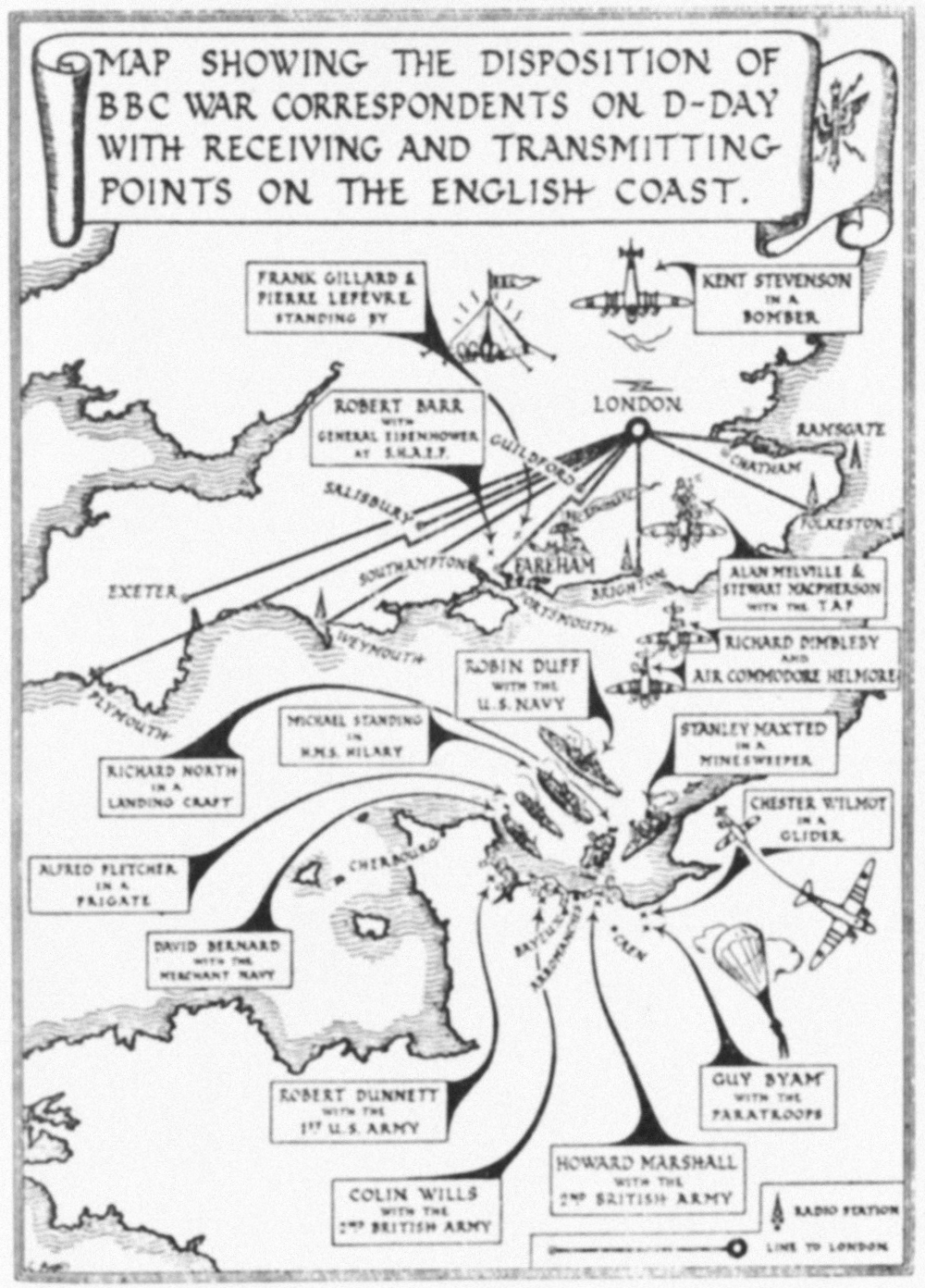
Map showing where the BBC correspondents were in Normandy on D-Day

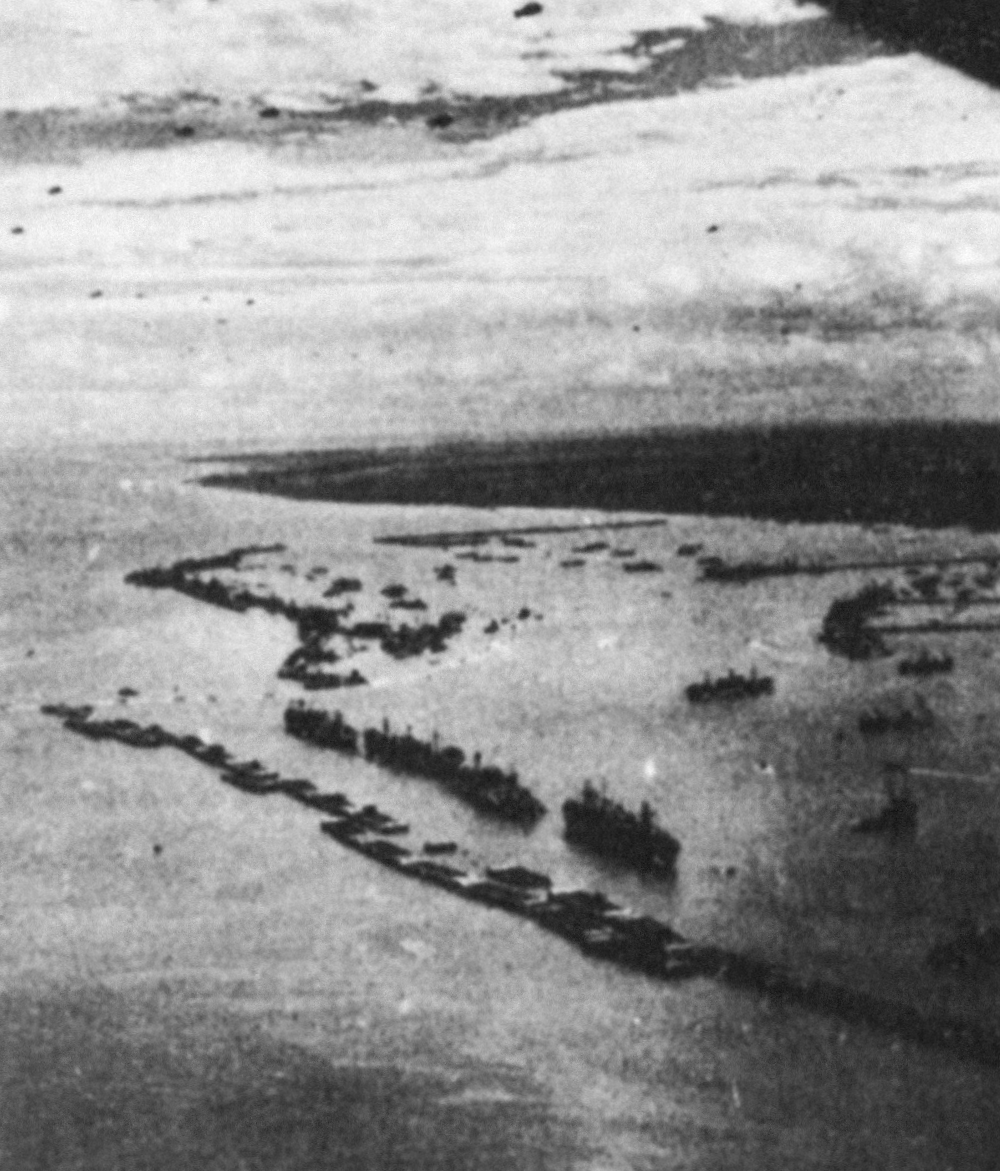
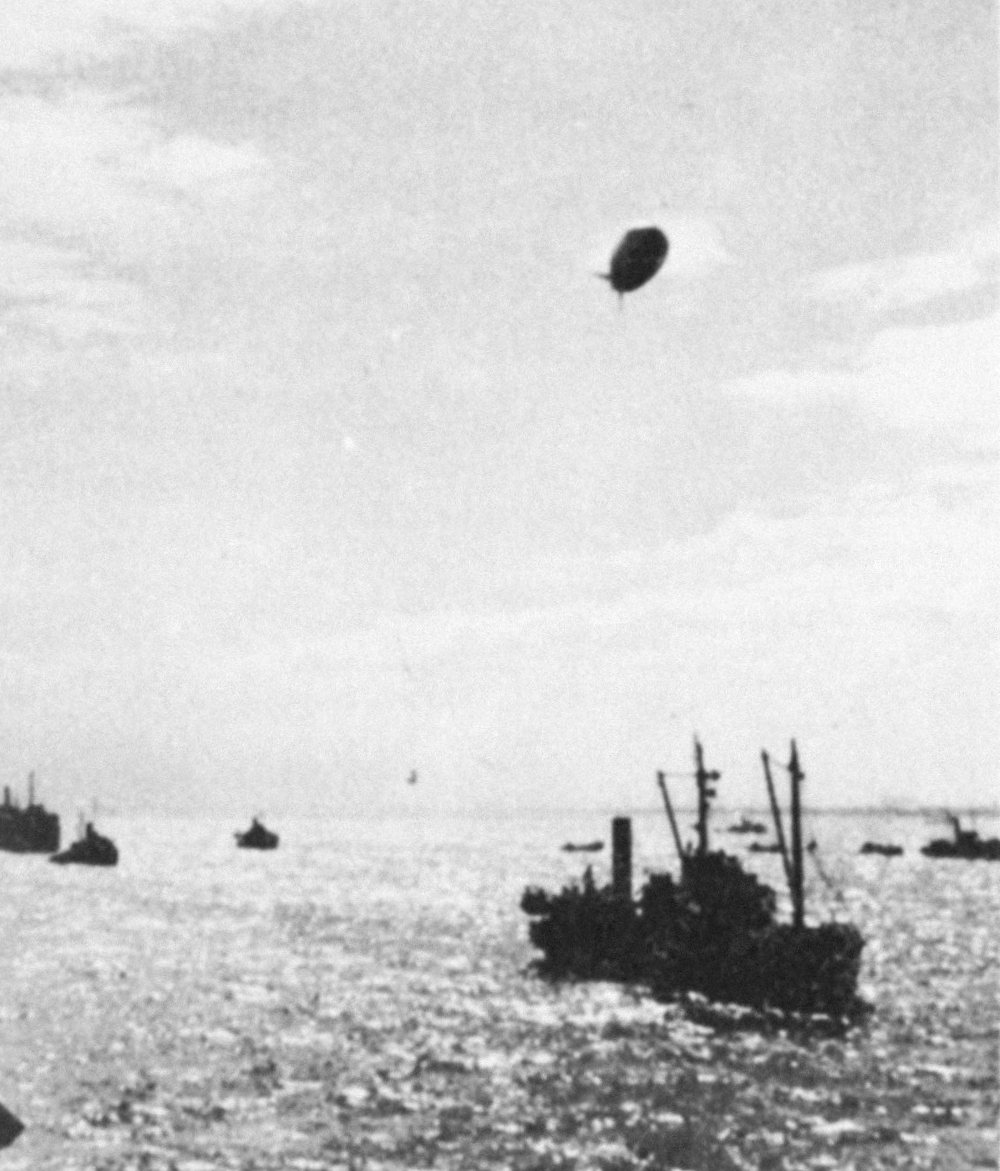
11 June 1944. I saw the shining, blue sea. Not an empty sea, but a sea crowded, infested with craft of every kind: little ships, fast and impatient, scurrying like water-beetles to and fro, and leaving a glistening wake behind them; bigger ships in stately, slow procession with the sweepers in front and the escort vessels on the flank – it was a brave, oh, an inspiring sight. We are supplying the beaches all right – no doubt of that. We flew on south-west, and I could see France and Britain, and I realised how very near to you all at home in England is this great battle in Normandy. It’s a stone’s throw across the gleaming water.

I saw it all as a mighty panorama, clear and etched in its detail. There were the supply ships, the destroyers, the torpedo boats, the assault craft, leaving England. Half way over was another flotilla, and near it a huge, rounded, ugly, capital ship, broadside on to France. There in the distance was the Cherbourg peninsula, Cherbourg itself revealed in the sun. And there, right ahead now, as we reset course, were the beaches. Dozens, scores, hundreds of craft lying close inshore, pontoons and jetties being lined up to make a new harbour where, six days ago, there was an empty stretch of shore.


BOMBING OF DUISBURG

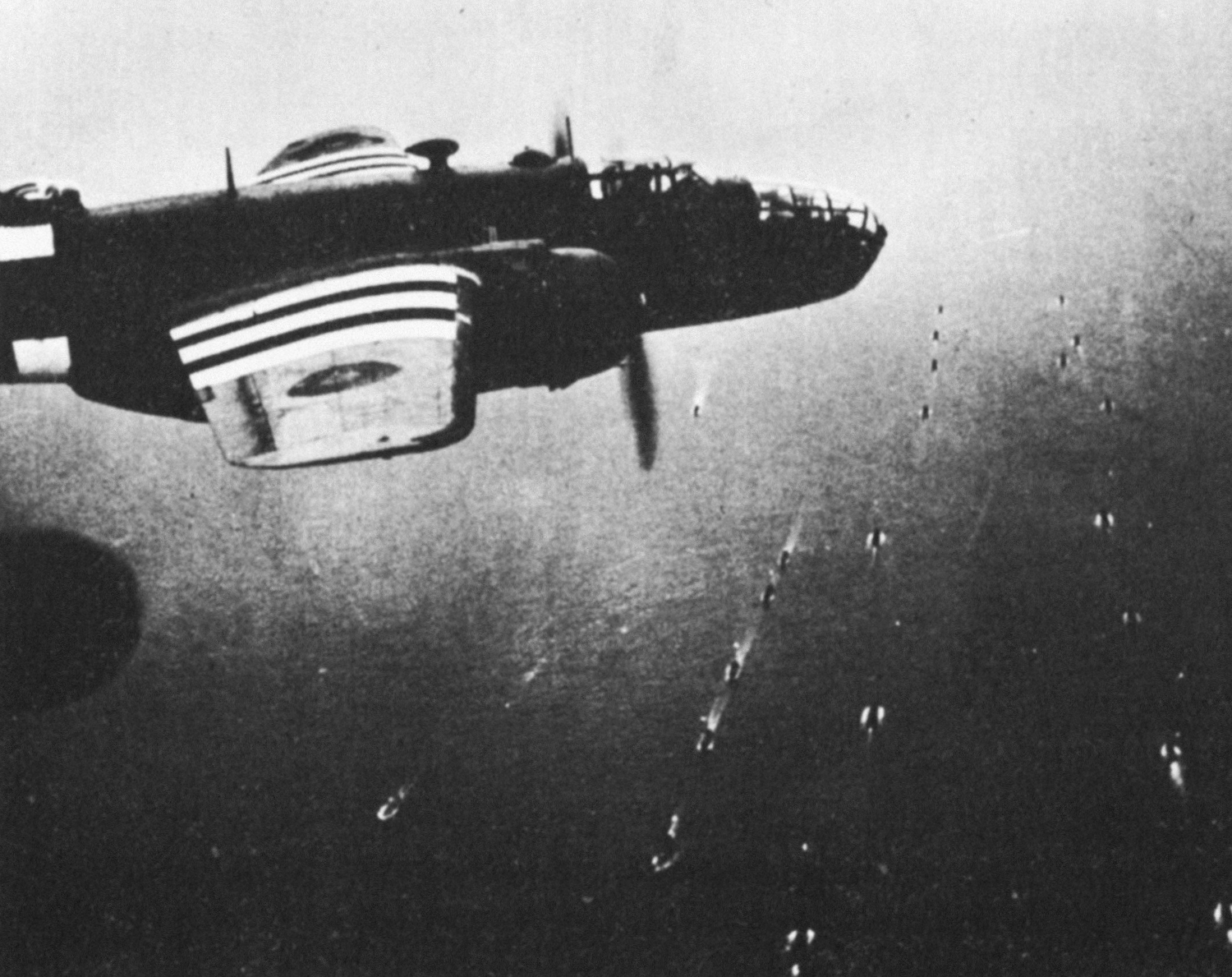
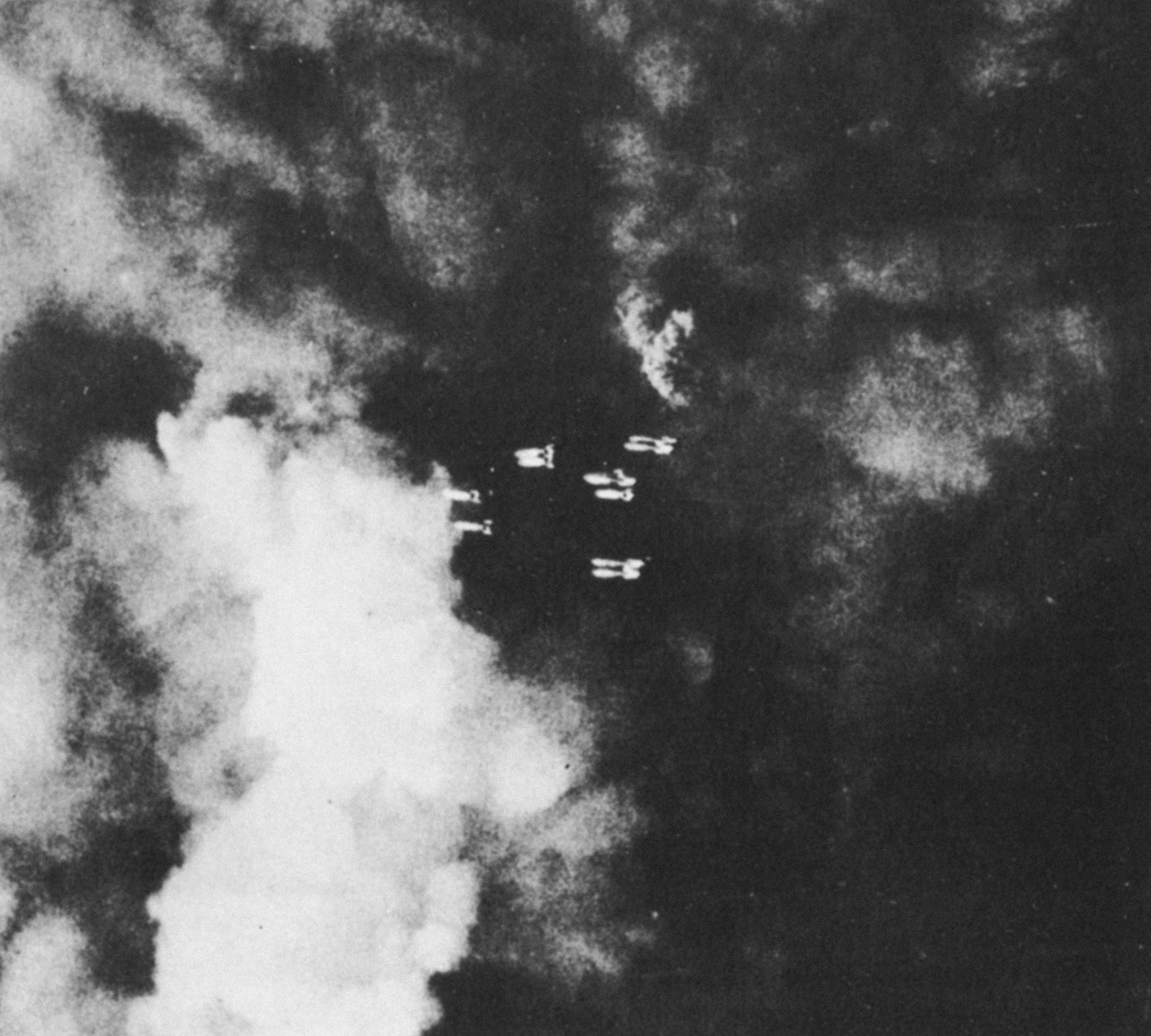
14 October 1944. I think that not only in the smoke and rubble of Duisburg, but deeper in the heart of Germany, there must be men charged with the defence of the Reich whose hearts tonight are filled with dread and despair. For the unbelievable thing has come to pass – the RAF has delivered its greatest single attack against a German industrial target since the start of the war – more than a thousand heavy bombers, more than 4,500 tons of bombs – and it did it, this morning, in broad daylight.

At a quarter to nine this morning I was over the Rhine and Duisburg in a Lancaster, one of the thousand and more four-engined machines that filled the sunny sky to the north and south-east. A year ago it would have been near suicide to appear over the Ruhr in daylight – a trip by night was something to remember uncomfortably for a long time. Today, as the great broad stream of Lancasters and Halifaxes crossed the frontier of Germany, there was not an aircraft of the Luftwaffe to be seen in the sky, only the twisting and criss-crossing vapour trails of our own Spitfires and Mustangs protecting us far above and on the flanks.

The briefing officer had described Duisburg as the largest inland port in the world and an arsenal of the Reich, when he addressed the air crews. I saw Duisburg the arsenal, just for a moment, in a hole in the patchy white clouds that lay over the Rhine and the Ruhr. I saw the grey patch-work of houses and factories, roads, railways, and the dirty dark waters of the great river curving its way through the inland port. Then target indicators and bombs, H.E. and incendiary, nearly 5,000 tons of them, went shooting down; and the German flak, and a good deal of it, came shooting up. Duisburg the arsenal disappeared under a filthy billowing brown bulge of smoke. I saw no fires from our Lancaster – there was too much cloud for that – and I had one nervous eye on the chessboard of black bursting shells that had been superimposed on our fine clear piece of sky. But I did see heavy bombs, cookies, going down into the brown smoke, and more clouds of it pushing their sullen way up from the ground. Duisburg lay underneath the shroud; and shroud, I think, is the right word.

In case it sounds rather easy, this smashing of German targets by day, let me say at once that the pilots who are going to do it from now on are taking very great risks each time they set out on such an operation. The best they can hope for is a thick curtain of bursting shells through which to fly, and the sight – the sight that we had this morning – of one or two of their companions twisting down to the ground in flames and smoke. But such hazards do not affect the plans of Bomber Command, that astonishingly versatile organisation that began the war with so little, and by courage and perseverance has built up today’s striking force. As we flew home this morning, and saw a tight orderly patch of Flying Fortresses engaged on their Cologne operation passing us above the clouds, I could not help but realise that, together, Britain and America can now put into the morning or afternoon sky a mighty force of bombers that spells destruction and ruin for our enemies.


PATHFINDERS OVER COLOGNE

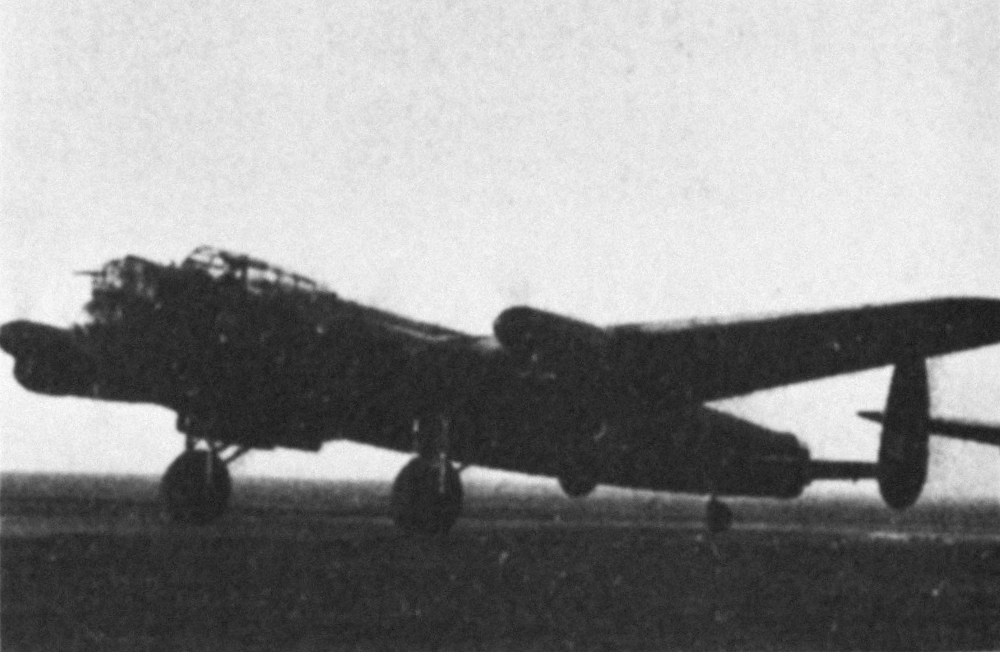
A bomber on the runway

1 November 1944. Last night I flew for the first time with the Pathfinders, the force whose job it is to ensure the accuracy and concentration of the attack by marking the exact aiming point with coloured indicators – red, green, and yellow flares. The main force of bombers aims at the centre of the cluster of flares and thus gets its whole load of bombs into the exact ground area chosen as the target. This job of pathfinding, which is done by picked crews, demands a particular skill in navigation and, perhaps, a very high degree of determination, for the Pathfinder cannot let himself be deflected from his precise course as he approaches the target.

Last night our job was to replenish the flares already dropped by the Pathfinders ahead. The first cluster went down as we were approaching, red and green lights hanging from their parachutes, just on top of the great white cloudbank that hid Cologne. This was ‘sky-marking’: the bombs of the main force, now streaming in above and below us, jet black in the brilliant light of the full moon, had to pass down by the flares. They vanished into the cloud, and soon the underside of it was lit by a suffused white glow, the light of incendiaries burning on the ground and the baffled searchlights. The flares seemed to be motionless, but round them and just under as we drove steadily over in a dead level straight line, the German flak was winking and flashing. Once a great gush of flame and smoke showed the bursting of a ‘scarecrow’, the oddity designed by the Germans to simulate a heavy bomber being shot down, and so to put any of our less experienced pilots off their stroke. There were fighters around too. A minute or two before we had seen the yellow glow of one of the new jet-propelled variety climbing at a great speed above us and to starboard.

We circled round the flares, watching the light under the cloud going pink with the reflection of fire and, silhouetted against it, the Lancasters and Halifaxes making off in the all-revealing light of the moon. Then we, too, turned for home.

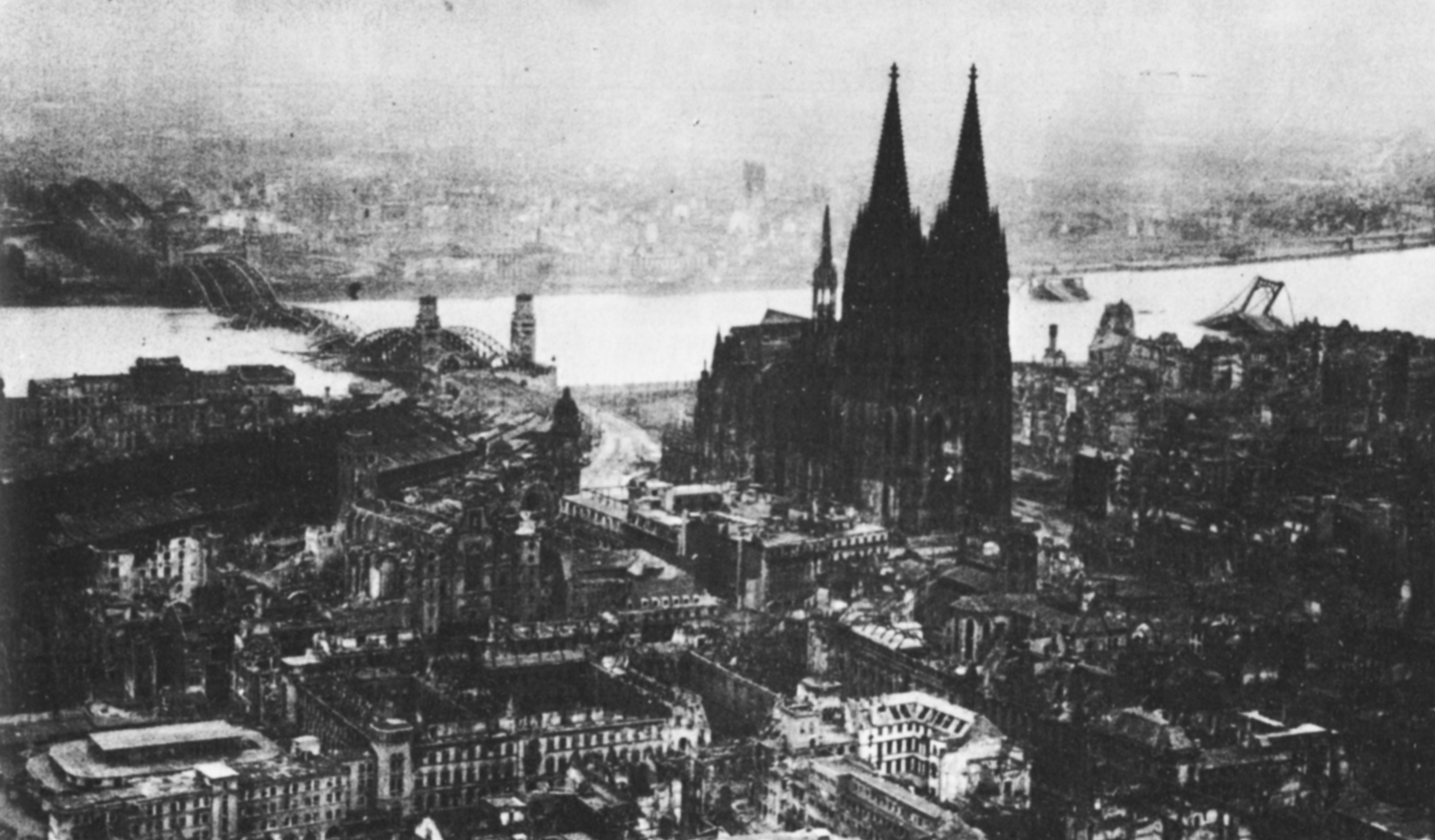
Cologne in ruins

Dimbleby was proud that his account of the crossing of the Rhine was subsequently chosen for inclusion in ‘The Oxford Book of English Talk’.

OVER THE RHINE

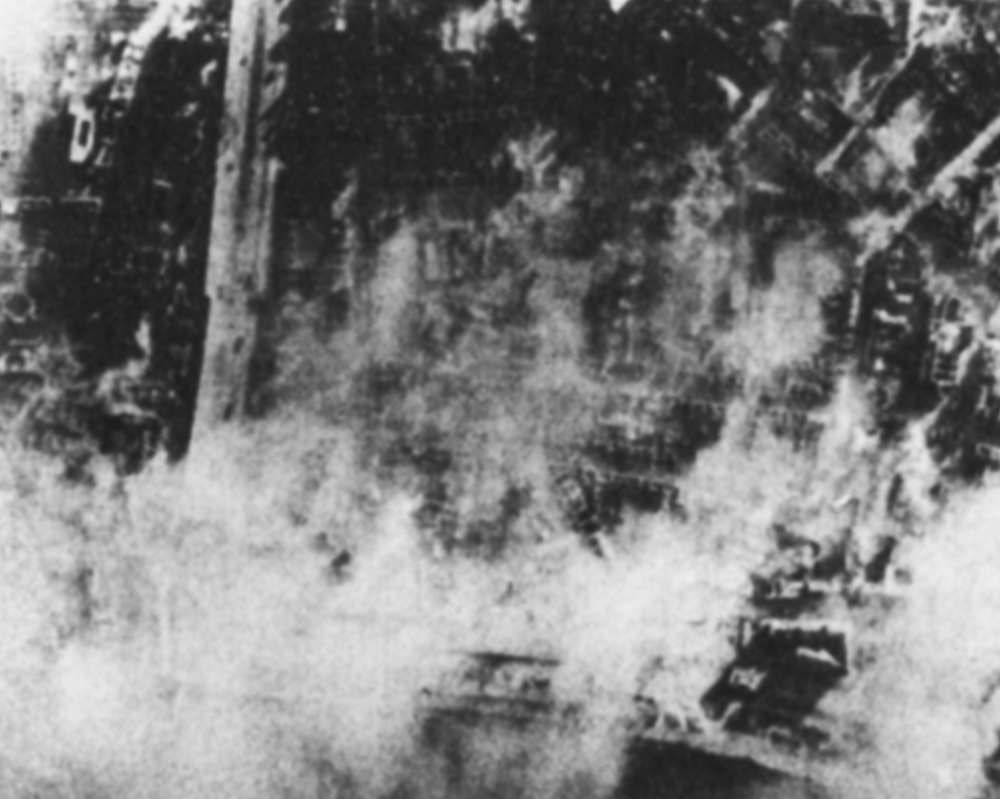
Cologne on fire from above

25 March 1945. The Rhine lies left and right across our path below us, shining in the sunlight – wide and with sweeping curves; and the whole of this mighty airborne army is now crossing and filling the whole sky. We haven’t come as far as this without some loss; on our right-hand side a Dakota has just gone down in flames. We watched it go to the ground, and I’ve just seen the parachutes of it blossoming and floating down towards the river. Above us and below us, collecting close round us now, are the tugs as they take their gliders in. Down there is the smoke of battle. There is the smoke-screen laid by the army lying right across the far bank of the river; dense clouds of brown and grey smoke coming up.

And now our skipper’s talking to the glider pilot and warning him that we’re nearly there, preparing to cast him off. Ahead of us, another pillar of black smoke marks the spot where an aircraft has gone down, and – yet another one; it’s a Stirling – a British Stirling; it’s going down with flames coming out from under its belly – four parachutes are coming out – one, two, three, four – four parachutes have come out of the Stirling; it goes on its way to the ground. We haven’t got time to watch it further because we’re coming up now to the exact chosen landing-ground where our airborne forces have to be put down; and no matter what the opposition may be, we have got to keep straight on, dead on the exact position. There’s only a minute or two to go; we cross the Rhine – we’re on the east bank of the river. We’re passing now over the army smoke-cloud.

Stand by and I’ll tell you when to jump off.

The pilot is calling up the – warning us – in just one moment we shall have let go. All over the sky ahead of us – here comes the voice – Now! – The glider has gone: we’ve cast off our glider.

We’ve let her go. There she goes down behind us. We’ve turned hard away, hard away in a tight circle to port to get out of this area. I’m sorry if I’m shouting – this is a very tremendous sight!

Two men in the cockpit of a plane
With engineer Bob Wade recording his ‘Over the Rhine’ despatch

THE GERMAN PEOPLE

8 April 1945. We had come into the German kitchen not to fraternise, that strictly forbidden practice, but because we had seen a large radio set there and wanted to hear the BBC news at nine o’clock. It took us some time to find London on the dial and the announcer had already begun the bulletin when we brought his voice, loud and clear, into the room.

The hotel family was already there when we came in. The old, white-haired man who watched us fearfully – I think the Germans had told him terrible stories of what we would do – his two not unattractive daughters, by no means frightened, and his grey-haired wife who sat knitting at the table. A woman friend was visiting them – one of the smarter women of the little town, with her hair caught up in a bright turban and wearing what looked to me like fully-fashioned silk stockings. They – at least, the women – were ready and anxious to talk, but we made it pretty clear that we had come in only to hear the wireless.

As we sat listening to the news about this battle area, I watched the reaction of this German family which had been engulfed in the fighting a very short time before, and could hear it going on now if we’d turned off the set. They were listening quite intently, understanding no English but catching the German place-names as Freddie Grisewood mentioned them. ‘Hanover,’ said the smart guest, ‘they’re near Hanover.’ ‘Isn’t that what he said?’ she asked me. I said it was. And then the Weser was mentioned and that being the local river, everyone heard it. Even the old man stirred himself from his gloomy apprehension. And then it was announced that the Americans were at or near Wurzburg. ‘Wurzburg? Where’s Wurzburg?’ asked one of the daughters. The other got up and fetched a gazetteer from a shelf. She opened it at the map of Central and Southern Germany and the whole family pored over it, marked the places as they were mentioned.

And as I watched them, a thought struck me. This was a recital from London of our success, of the growing and spreading defeat of their country, and yet there was not one sound or sign of regret on their faces, no shock, no despair, no alarm. They just picked up what was said, checked it on the map and noted it just as if they were a bunch of neutrals hearing all about somebody else. And indeed, I believe that that’s what many of these front-line German people are: neutrals in their own country. They seem to have lost the power of passion or sorrow. They show no sympathy for their army, for their government, or for their country. To them the war is something too huge and too catastrophic to understand. Their world is bounded by the difficulties of managing a country hotel – and there’s no room in it for things outside.

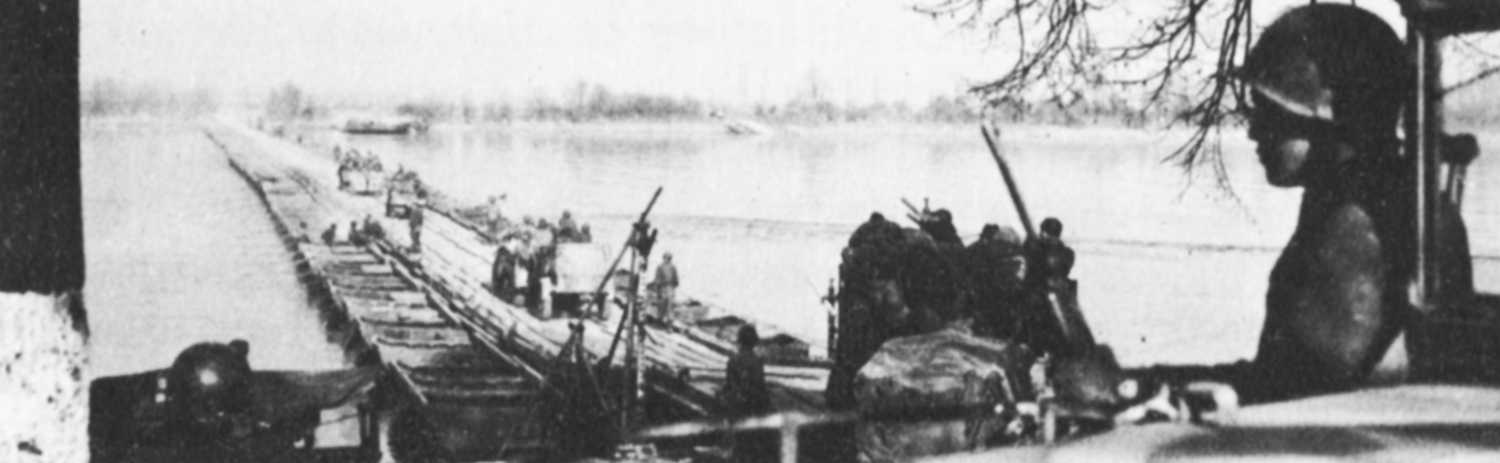
The army crossing a pontoon bridge

The Cesspit Beneath

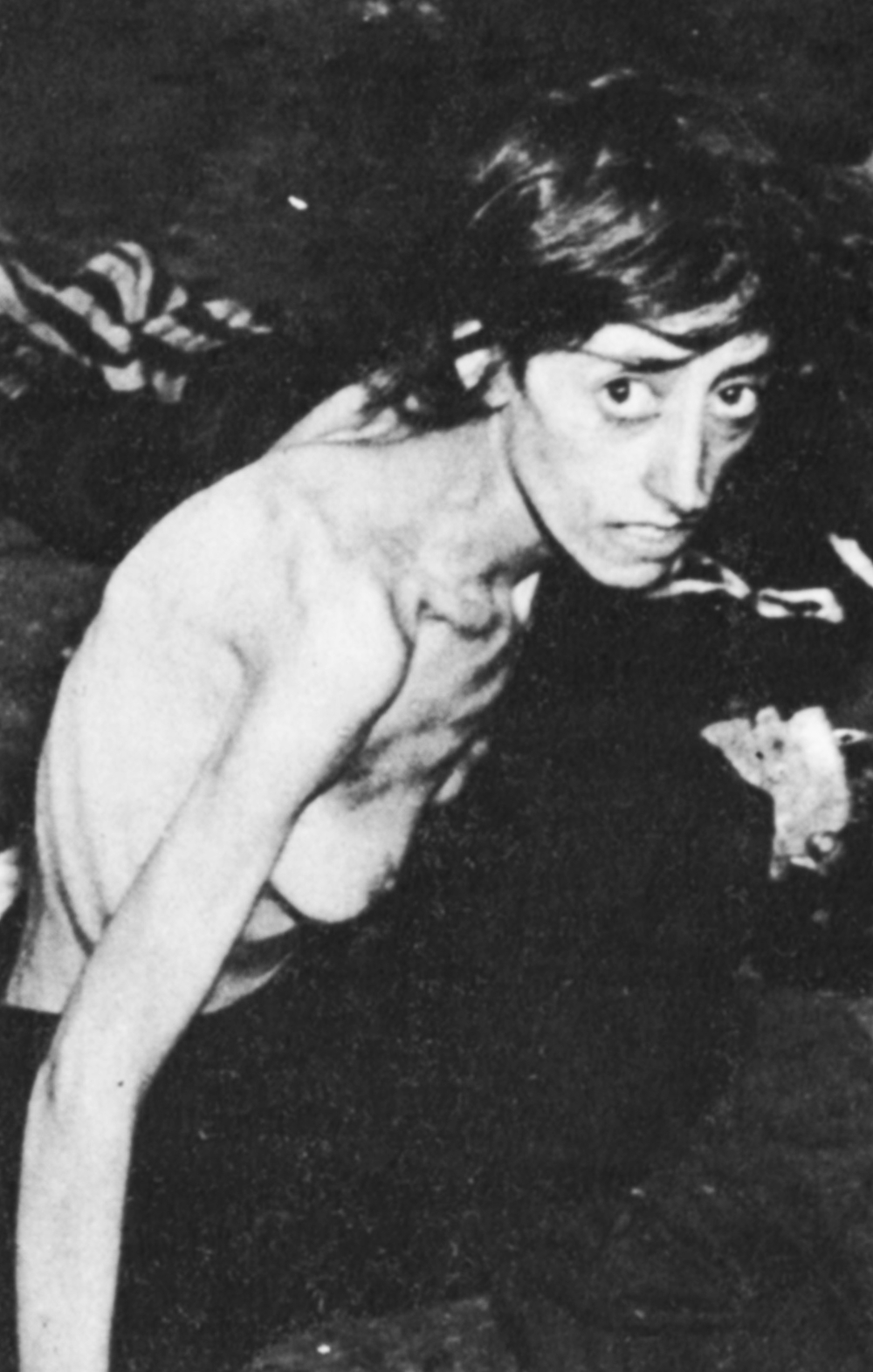
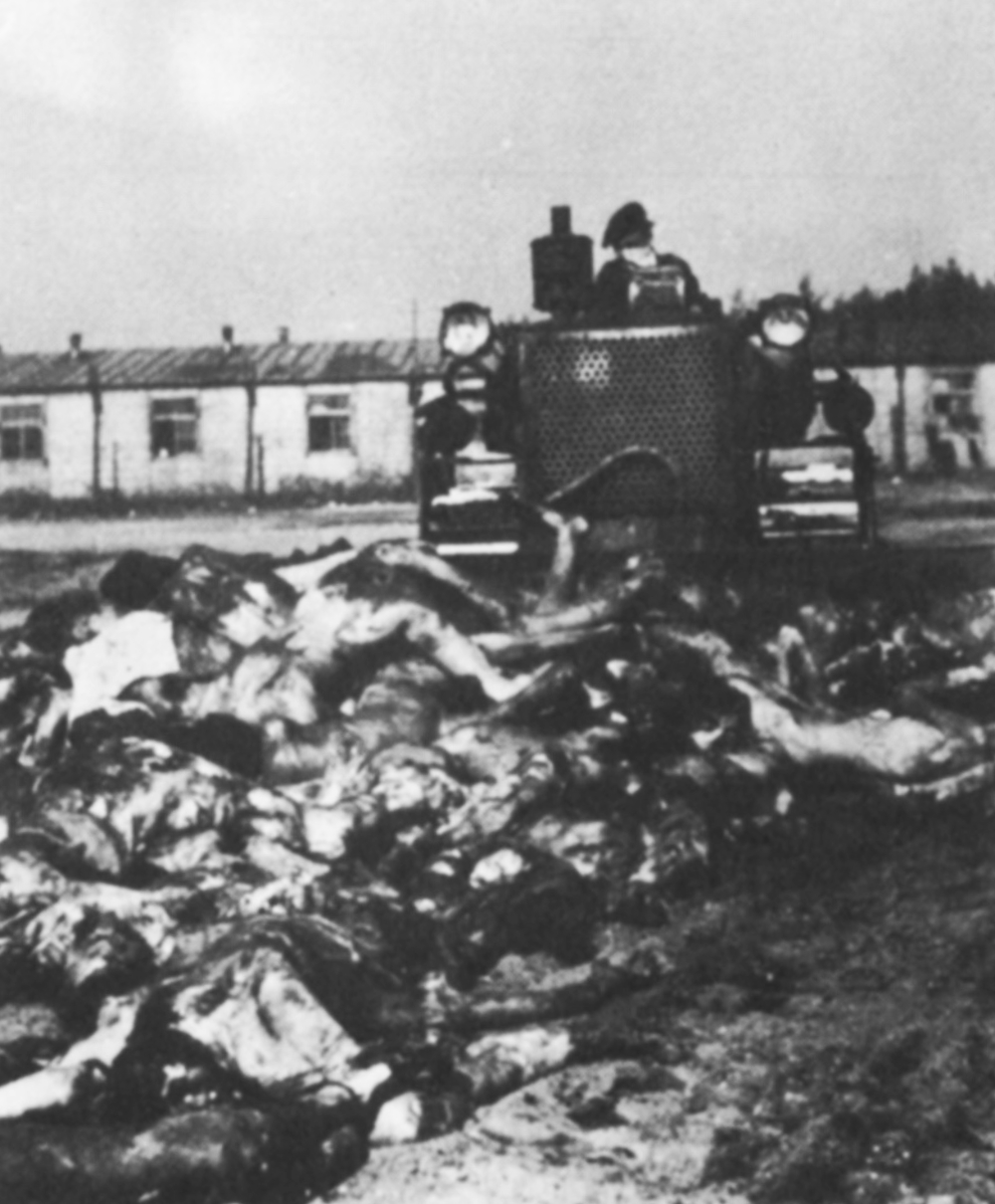
19 April 1943. I picked my way over corpse after corpse in the gloom, until I heard one voice raised above the gentle undulating moaning. I found a girl, she was a living skeleton, impossible to gauge her age for she had practically no hair left, and her face was only a yellow parchment sheet with two holes in it for eyes. She was stretching out her stick of an arm and gasping something, it was ‘English, English, medicine, medicine’, and she was trying to cry but she hadn’t enough strength. And beyond her down the passage and in the hut there were the convulsive movements of dying people too weak to raise themselves from the floor.

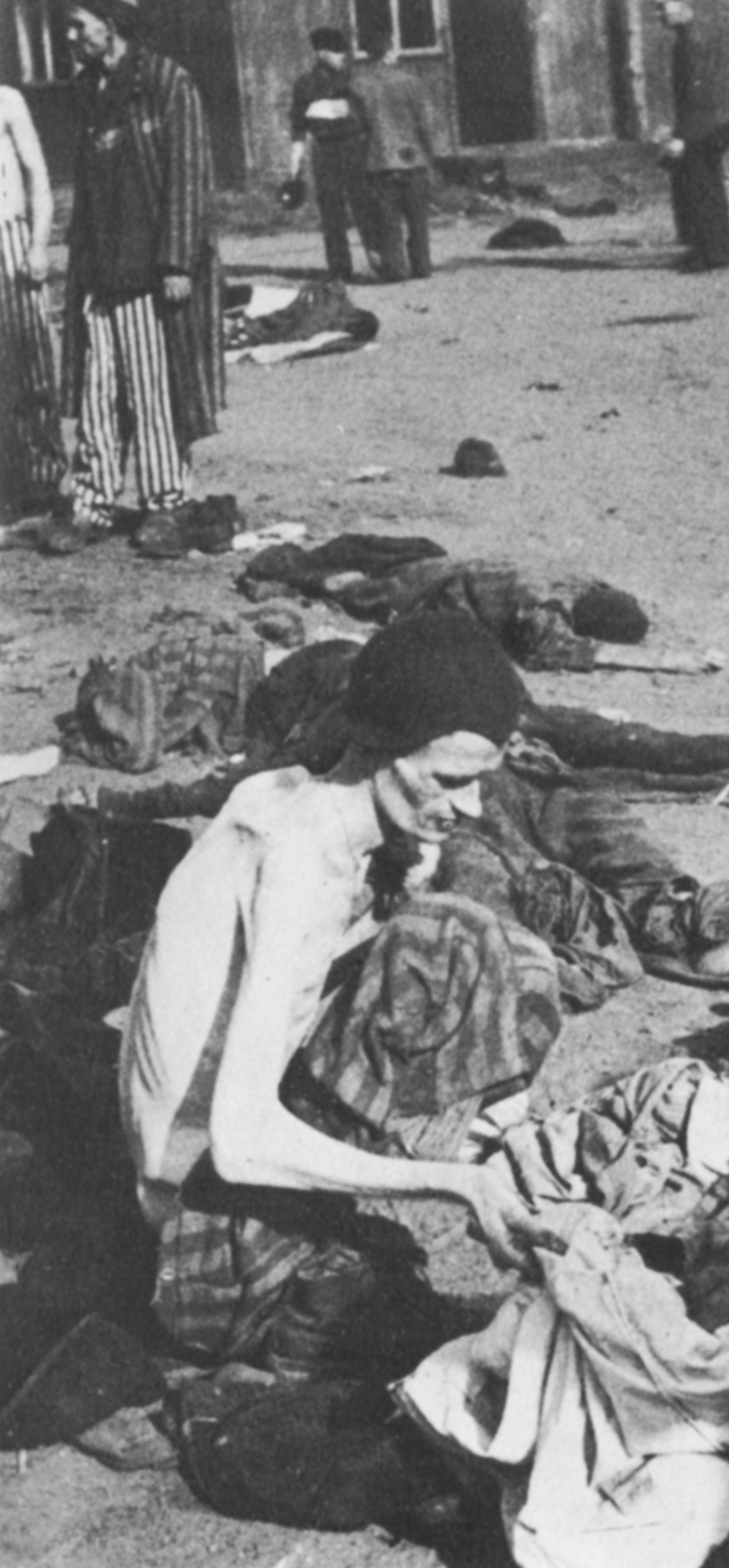
In the shade of some trees lay a great collection of bodies. I walked about them trying to count, there were perhaps 150 of them flung down on each other, all naked, all so thin that their yellow skin glistened like stretched rubber on their bones. Some of the poor starved creatures whose bodies were there looked so utterly unreal and inhuman that I could have imagined that they had never lived at all. They were like polished skeletons, the skeletons that medical students like to play practical jokes with.

At one end of the pile a cluster of men and women were gathered round a fire; they were using rags and old shoes taken from the bodies to keep it alight, and they were heating soup over it. And close by was the enclosure where 500 children between the ages of five and twelve had been kept. They were not so hungry as the rest, for the women had sacrificed themselves to keep them alive. Babies were born at Belsen, some of them shrunken, wizened little things that could not live, because their mothers could not feed them.


One woman, distraught to the point of madness, flung herself at a British soldier who was on guard at the camp on the night that it was reached by the 11th Armoured Division; she begged him to give her some milk for the tiny baby she held in her arms. She laid the mite on the ground and threw herself at the sentry’s feet and kissed his boots. And when, in his distress, he asked her to get up, she put the baby in his arms and ran off crying that she would find milk for it because there was no milk in her breast. And when the soldier opened the bundle of rags to look at the child, he found that it had been dead for days.

There was no privacy of any kind. Women stood naked at the side of the track, washing in cupfuls of water taken from British Army trucks. Others squatted while they searched themselves for lice, and examined each other’s hair. Sufferers from dysentery leaned against the huts, straining helplessly, and all around and about them was this awful drifting tide of exhausted people, neither caring nor watching. Just a few held out their withered hands to us as we passed by, and blessed the doctor, whom they knew had become the camp commander in place of the brutal Kramer.

I have never seen British soldiers so moved to cold fury as the men who opened the Belsen camp this week, and those of the police and the R.A.M.C. who are now on duty there, trying to save the prisoners who are not too far gone in starvation.

The World Goes By

Dimbleby broadcast again about Belsen a month later in ‘The World Goes By’:

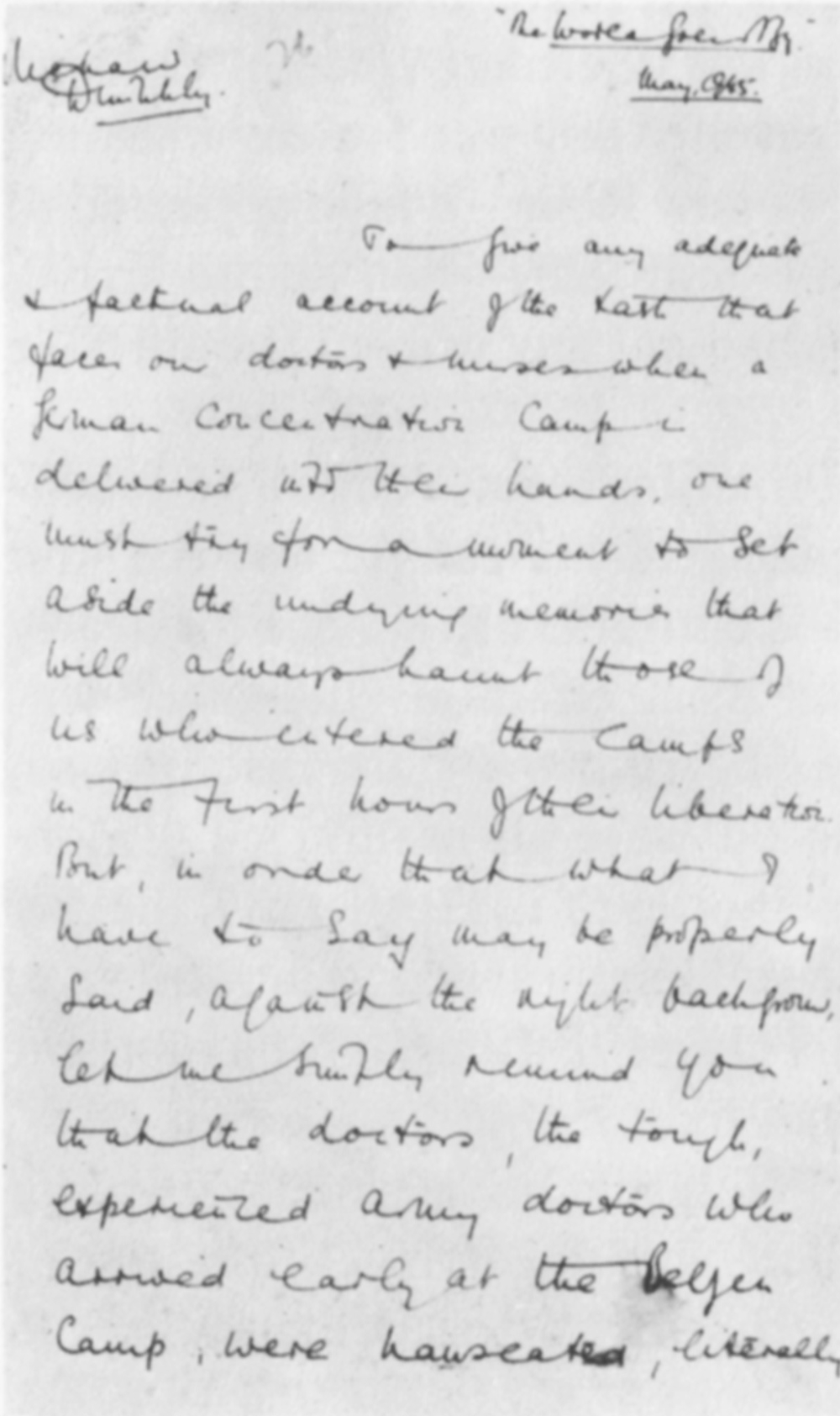
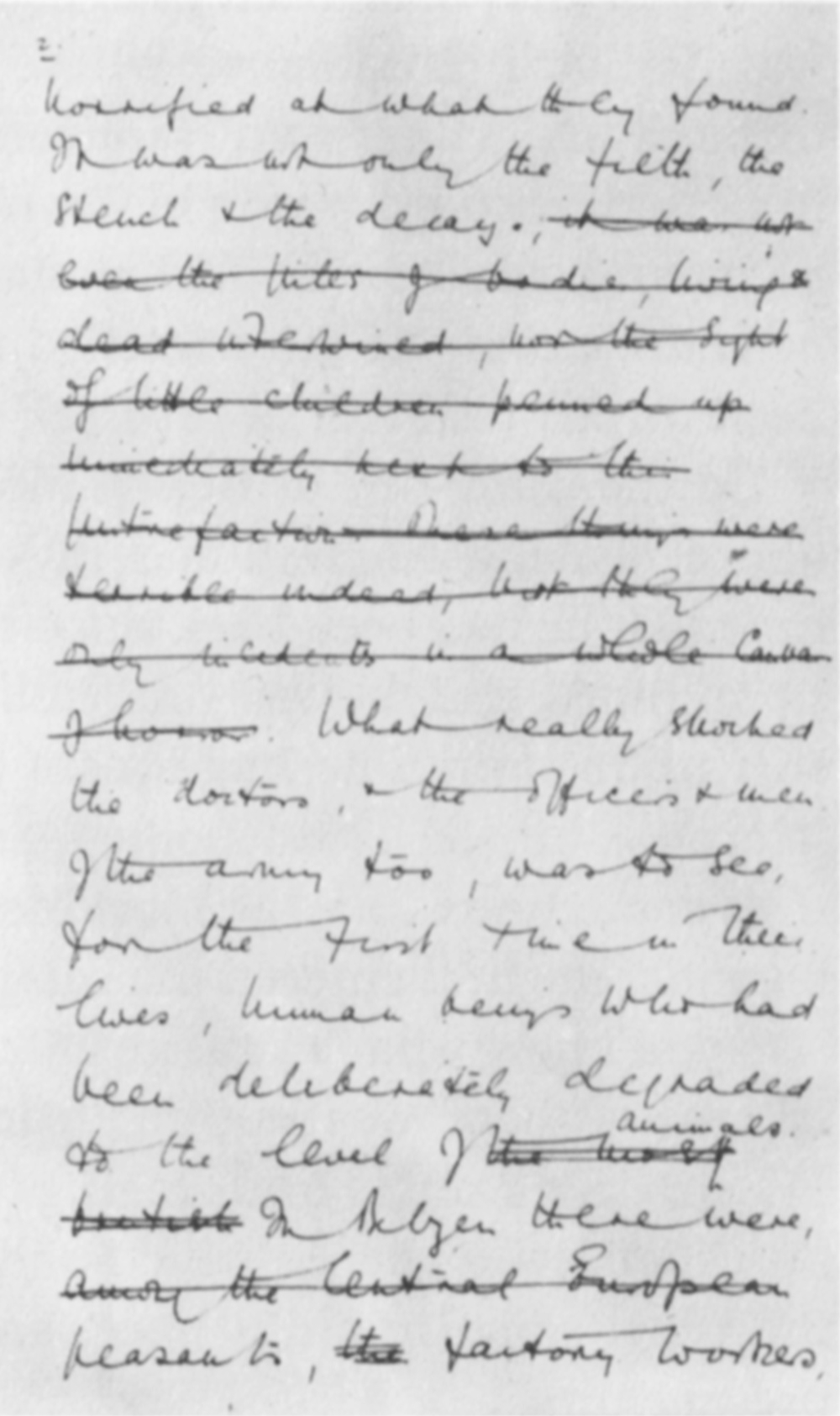
May 1945. To give any adequate and factual account of the task that faces our doctors and nurses when a German Concentration Camp is delivered into their hands, one must try for a moment to set aside the undying memories that will always haunt those of us who entered the Camps in the first hours of their liberation. But, in order that what I have to say may be properly said, against the right background, let me simply remind you that the doctors, the tough, experienced army doctors who arrived early at the Belsen Camp, were nauseated, literally horrified at what they found. It was not only the filth, the stench and the decay. What really shocked the doctors and the officers and men of the army, too, was to see, for the first time in their lives, human beings who had been deliberately degraded to the level of animals. In Belsen there were peasants, factory workers, and musicians, artists, and the whole range of professional people, who fought for dirty scraps of food and, in the last stages of typhus, dragged themselves towards the heaps of bodies to lie there and die. People who had forgotten the simple customs and conventions of everyday life and were now lost in a terrible apathy brought about by unbearable misery, starvation, and the certainty of agonising death.


Again he vividly described the misery of the scene still haunting him, and ended:

Hundreds of bodies lie in a heap

When I began this talk, I was going to try and divorce sentiment and practical measure of relief. But, of course, you can’t. From what I saw at Belsen, I know that the two go hand in hand. With water and food, there must be the grain of hope, there must be a smile and a wave – things unknown for five years at Belsen. You must spread the news that help and love are coming, and as the word goes round, you will see tired heads lifting and withered hands twitching in salute, and people weakly crying with joy. Then you know, as the 2nd Army brigadier said, ‘that the spark of life is returning’.

There is one other thing you must do – something without which all the measures of relief and succour would be but temporary remedies – and that is to vow with all your heart that such horrible things shall never happen again.

Berlin in Defeat, July 1945

Dimbleby pressed on into Germany. He entered Berlin with the first Allied troops and was the first war correspondent into the prostrate capital. He broadcast from Hitler’s chair in his bombed study, and acquired as souvenirs knives, forks and spoons with the initials A.H., which he later provided at dinner parties for people he didn’t like. He was also locked up by a Red Army patrol, and released after he had persuaded them that he was the son of Winston Churchill.

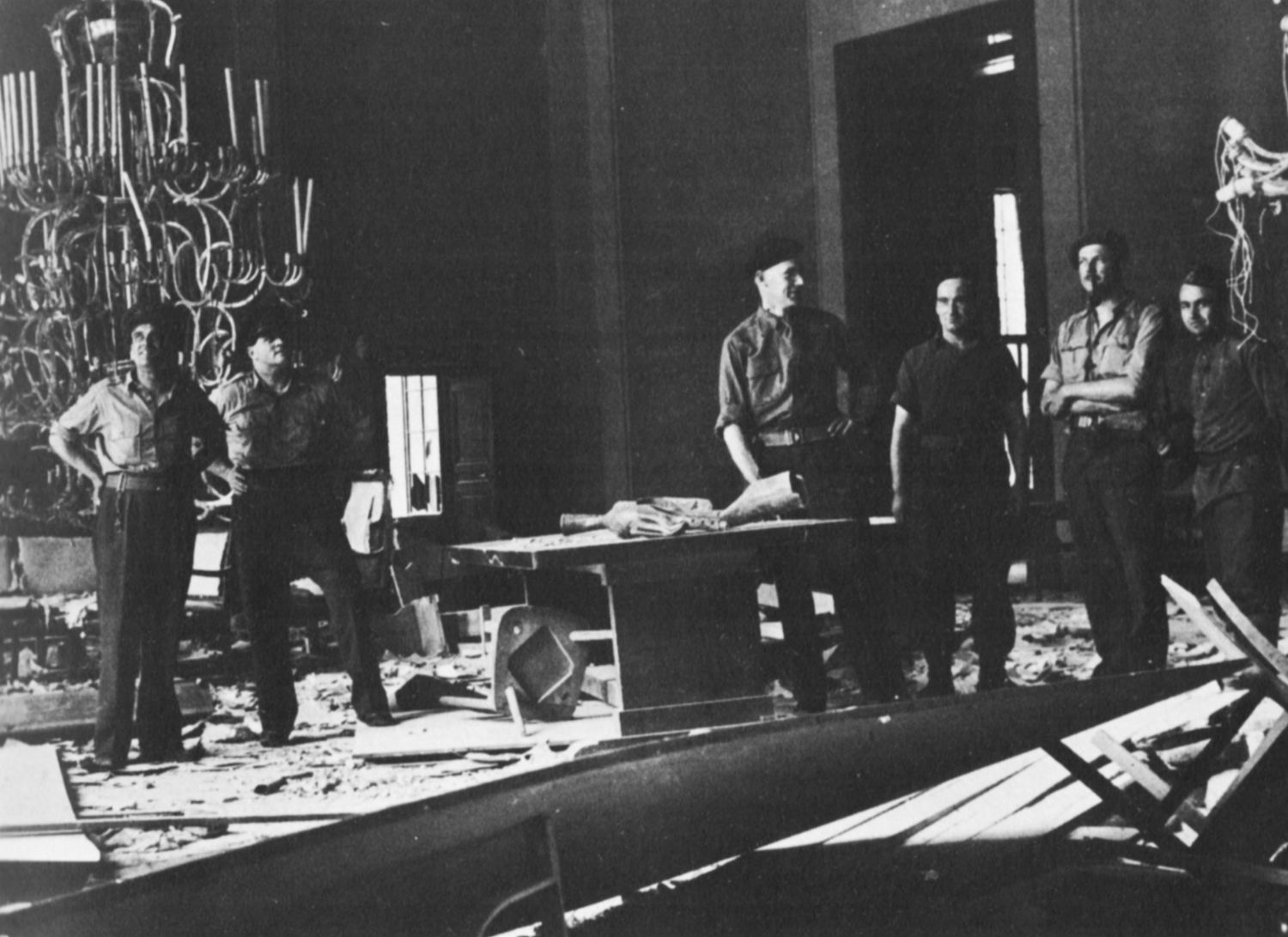
Six men stand in a ruined ornate dining room
Surveying Hitler’s dining room with recording engineer, F. J. Cooper

As we would say, in British Air Force slang, ‘Berlin has had it’. As a clean, solid, efficient city, it has ceased to exist. In its place is a broken-down, evil-smelling rabbit warren of craters, and hulks of buildings, and everywhere dust and dirt and squalor. It’s true you can go into one or two streets and see no more damage, as you look along the sidewalk, than you might see in London. But turn the corner, and again and again you come face to face with a chaos and a confusion that reminds you of those picture postcards showing ruined towns of the last war, the result of 65,000 tons of bombs, and the savage street fighting of two months ago. The spirit of the people has been shattered too. I’ve talked to a good many Germans in the last three or four months. And these Berliners are the first completely cowed and submissive people I’ve met. They’ve no spirit at all, only an instinctive urge to live, and that’s not very easy for the Berliner today.

I’m not asking your sympathy for them, but there are certain hard-and-fast conclusions we can and must draw. Allied Military Government has got here one of the most difficult jobs it’s had to tackle; all its earlier struggles in the Ruhr and the west of Germany fade into nothing when compared with this paralysed capital to be administered by three foreign powers, one of which, the Russian, has ideas and methods that differ from ours.

First, there is the problem of supply. Great quantities of food and drugs are needed now before the winter, not necessarily because we have pity for these people who are slowly starving, but because if we let them get any weaker, there will be epidemics of disease later in the year, and we cannot allow epidemics where we have allied troops stationed. There are already enough dead bodies. They are estimated in thousands. Still buried in the great heaps of rubble in this city and never to be rescued, enough for us to avoid any more deaths if possible.

Already the stench in parts of the centre of Berlin is nauseating and the city’s water system is polluted. The incidence of venereal disease among the population is serious, and the German hospitals haven’t enough drugs to give proper treatment. There’s not yet been a major epidemic of typhus or cholera, but most of the population is in such a weak state that if an epidemic did start it would spread like wildfire.

For three months now there’s been no refuse collection of any kind. When the Russians entered the city in April, they made each housewife responsible for the street in front of her house and this had to be clear and clean by 7 o’clock in the morning. That rule still obtains, at least it’s still obeyed. When it came into force many of the streets of the Zehlendorf suburb in which I’m living were blocked with the debris of air-raids.

The woman who keeps our house – she was English until she married a German naval officer forty years ago – herself shifted nearly ten tons of rubble in ten days’ solid work in two coal buckets. There’s hardly any household refuse. She has very little to eat and wastes nothing, but what there is she carries to a communal dump a mile away.

There can be no doubt that the Germans, and particularly the German women, can be made to do everything for themselves. That is a reasonable burden for them to bear, but certain tools and material must be provided soon or they’ll be too weak to work at all. Already they’ve abandoned the once regular practice of going out to the market a few miles south of us here for a few pounds of fresh fruit; the exhaustion of the journey and the wear on their shoe leather – people’s toes are visible everywhere, and it’s been pouring with rain for ten days – these things make the trip no longer worth while.

One other major problem still confronts us, and it’s something that isn’t easy to bring up, though no one here will be an honest correspondent if he ignores it, and that is the question of our relations with the Russians. They have fought a remarkable series of battles, ending with the savage struggle in the city which brought them their final victory. I don’t doubt that to do that the Red Army needed the tightest discipline and the most rigid security; but now that the fighting is over, the security, if not the discipline, can be relaxed, at least enough to enable the Western allies to get on friendly terms with their Russian partner.

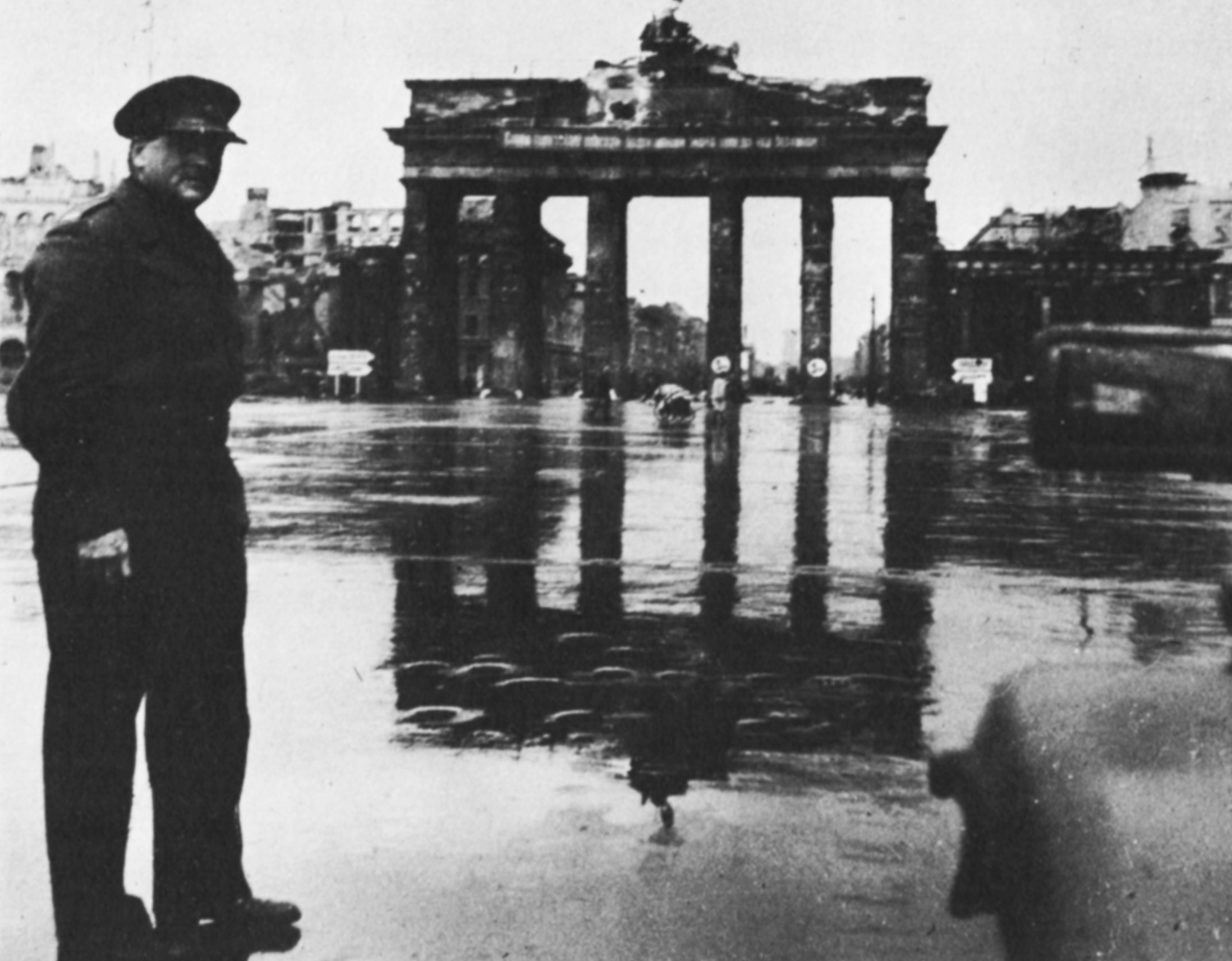
Dimbleby in uniform with the Brandenburg Gate behind him
At the Brandenburg Gate, Berlin, July 1945

We must get on good terms. Without co-operation and some degree of trust we can hope nothing for the future. At the moment that trust is lacking. Somewhere between us and the Russians there’s a barrier of suspicion and reserve. It’s rather like trying to make friends with a fellow that you can’t see on the other side of a high wall. Language, of course, is a major difficulty, generally speaking we can’t understand a word they say, and they don’t understand us, and there’s strictly a limit to what you can accomplish with smiles and handshakes and nods.

After a week in Berlin and a good deal of superficial contact with the Red Army, it appears unhappily that the Red Army’s officers and men are working to strict rules that have been laid down, and that one of those rules is that they must avoid too much contact with the Americans and the British. Perhaps we can hope that that rule is going to be altered. In a sense, of course, this racial reticence is understandable. We haven’t been on particularly good terms with the Soviet Union for the past twenty-five years, and there’s no reason why the Red Army should suddenly regard us as its bosom friend, just because we teamed up against Germany, but I do wish that we could make the Russians believe that in a place like this, where we’re all shoulder to shoulder for the first time, we mean well and not ill, and can be trusted.

At present, passing through the Brandenburg Gate, which marks the boundary between the British and the Soviet zones of occupation in Berlin, is like crossing a frontier. There are no barriers at all, but you can sense a different atmosphere on the eastern side. You get the feeling that while you’re tolerated you’re not welcome, and you’re not at all certain what’s going to happen.

Let me give you an example of what does happen. Four days ago I went to Hitler’s Chancellery to have a look round the Fuhrer’s study and his private room. Now the Chancellery is in the Wilhelmstrasse, and the whole of this Nazi government area is under Russian control with a special commandant in command. I had lunch with him in his headquarters underground – a cheerful, friendly meal. We discussed the Red Army, the Russian policy freely and at length, and we criticised and received criticism in return.

Two days ago, on my way to a British military conference at the Victory column in Berlin central park, the Tiergarten, I made a through detour to see something of the Leipzigstrasse, Leipzig Street, one of the streets along which I’ve not driven. It’s true that I was about two hundred yards deeper in the Soviet zone than I had been for lunch two days before. Half way down the Leipzigstrasse, I was stopped by a Red Army patrol with tommy-guns. I was forced to leave my car and go into a house, where I was locked in a room. It took me twenty minutes of strong language and fist shaking to get out, to get hold of an officer and to get freed, with the apology that it had been a mistake.

Now this was only an incident; in itself it was quite unimportant, but these mistakes are happening all over the place all the time, a continual succession of pin-pricks upsetting our relations and preventing us from getting them established on a strong and permanent footing. They affect everything, from the original movement of our occupying forces in Berlin, which was not accomplished without some difficulty and a great deal of delay, to the present movement of our supply convoys, and the conditions in which our special troops here in connection with the forthcoming big conference [Potsdam] are having to live.

But to return to the people of Berlin. There are two sorts of them; one whose orderly and ordered life has come to pieces, and the other who can get along whatever the conditions. I’ve seen them both in the past few days. The first was a detective inspector of the Police Department to whom I’d gone to check an address, knowing that the Berlin police had a secret dossier on everyone in the city. I found him aged and distraught. He waved to a heap of paper and cardboard blackened and dripping in his outer office. ‘All my files,’ he said, ‘all my files burned black, no check on anyone now, no check.’ And to him, the fact that the citizens of Berlin were no longer under the iron rule of the police was the ultimate disaster.

And the second Berliner, the other kind I met on the front doorstep of Hitler’s Chancellery where a crowd of people were watching the coming and going. He came to me from a group of civilians. He was a Jew, with a briefcase in one hand, and he said: ‘Excuse me, but would you like a tour of Berlin? To see the ruins, the Reich Chancellery, Goebbels’s Palace, Gestapo Headquarters?’ He rattled them off, and the price at the end, and as I looked at him I thought how for ten years in this city the Nazis had been insulting him and beating him, and how for ten long years they’d deported him and tortured him and starved him and gassed him, and here he was on Hitler’s doorstep in 1945 when all his persecutors were dead or captured, and I wondered how on earth he’d stayed alive.

Some newspapers were sharply critical of what Dimbleby said about the Russians, but Richard quietly rode the storm. He was the commentator when Churchill, with Montgomery at his side, took the Victory Parade in Berlin. In five weeks he sent 144 despatches from Berlin, only nine of which were crowded out or rejected. It was a brilliant end to his war reporting career.


Then, after six hazardous and gruelling years, he finally doffed his war correspondent’s uniform. With twenty other men who had reported the war by typewriter or microphone, in the Birthday Honours List of 1946 he received the OBE.

On Interviewing

Dimbleby gave his own views on the technique of interviewing, whether on television or radio, when he was the guest of Asian Club:

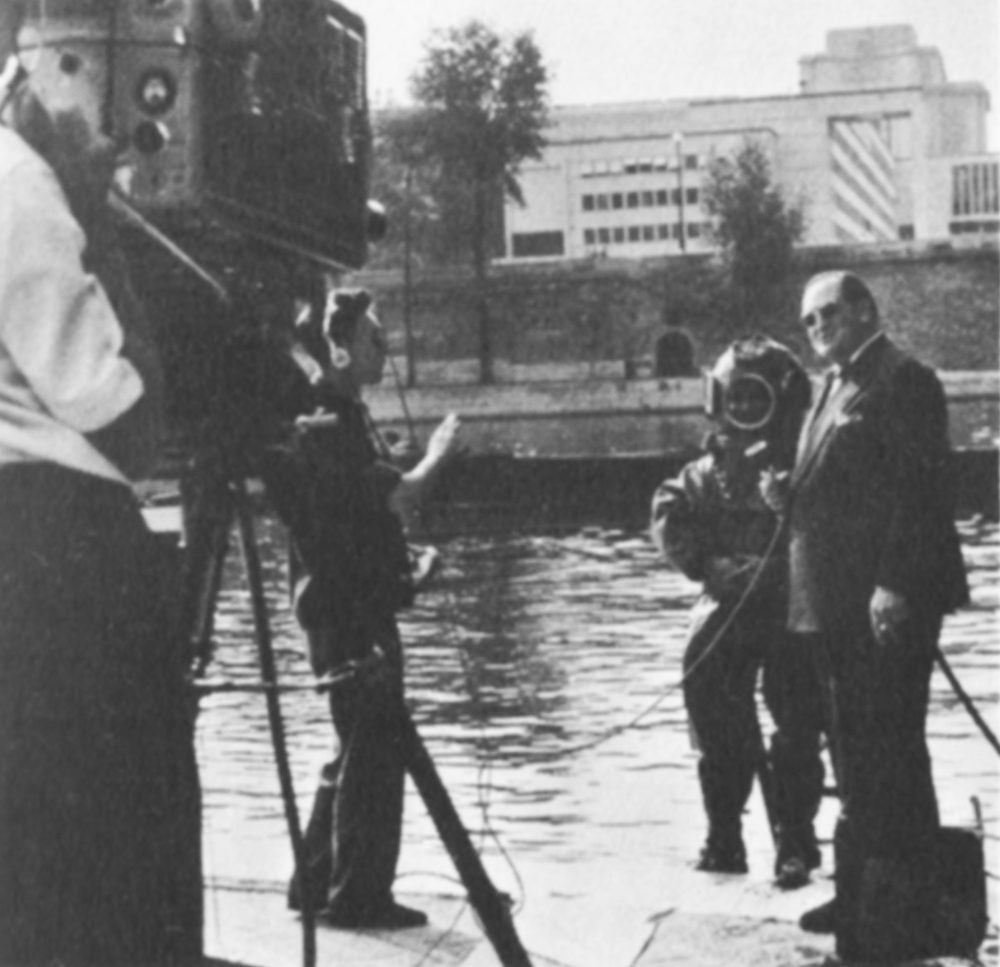
Dimbleby interviews a man in diving gear
With a French diver

You must be interested in people. You must want to get out of them the information you’re trying to get and you must be, I think, good at listening to people.

There’s one other thing I think which an interviewer needs to be able to do, and that is to control an interview without it being apparent to the other person that he’s doing so. That is to say, if you have an interview which is going to last five minutes, and you know the various things you’re thinking of asking, the person whom you’re interviewing probably doesn’t realise as well as you do, if you’re a professional broadcaster, how long five minutes is. You know, after years you get to know exactly, how long a certain time is, just in your head. If they don’t know, and they may go off into some long, long story which takes much longer than it ought to take, you have got to be able to get them off this story, bring them on to the next thing you want to ask them, get them quickly through that and stop the whole thing in the right time without anybody noticing that you’ve been pushing and pulling the person to whom you’re talking. This is a small thing but it’s quite important.

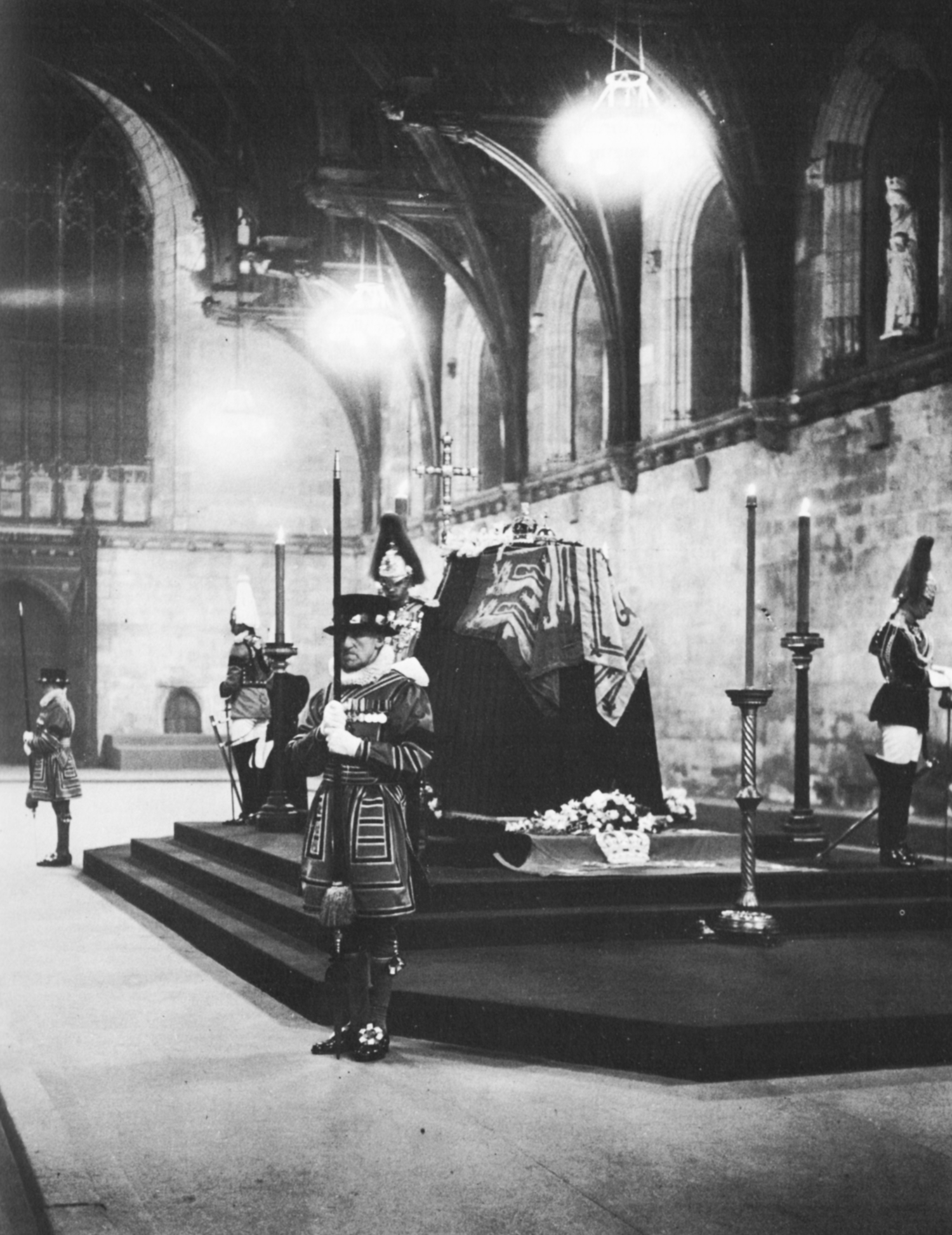
Westminster Hall, 12 February 1952

Dimbleby became the principal BBC commentator at State occasions both for radio and for television. His choice of words, his measured delivery, were never more attuned with the feelings of his listeners than when he described the Lying-in-State of King George VI to a sorrowing nation:

It is dark in New Palace Yard at Westminster tonight. As I look down from this old, leaded window I can see the ancient courtyard dappled with little pools of light where the lamps of London try to pierce the biting, wintry gloom and fail. And moving through the darkness of the night is an even darker stream of human beings, coming, almost noiselessly, from under a long, white canopy that crosses the pavement and ends at the great doors of Westminster Hall. They speak very little, these people, but their footsteps sound faintly as they cross the yard and go out through the gates, back into the night from which they came. They are passing, in their thousands, through the hall of history while history is being made. No one knows from where they come or where they go, but they are the people, and to watch them pass is to see the nation pass.

It is very simple, this Lying-in-State of a dead King, and of incomparable beauty. High above all light and shadow and rich in carving is the massive roof of chestnut, that Richard II put over the great Hall. From that roof the light slants down in clear, straight beams, unclouded by any dust, and gathers in a pool at one place. There lies the coffin of the King. The oak of Sandringham, hidden beneath the rich golden folds of the Standard; the slow flicker of the candles touches gently the gems of the Imperial Crown, even that ruby that King Henry wore at Agincourt. It touches the deep purple of the velvet cushion and the cool, white flowers of the only wreath that lies upon the flag. How moving can such simplicity be. How real the tears of those who pass and see it, and come out again, as they do at this moment in unbroken stream, to the cold, dark night and a little privacy for their thoughts.

Who can know what they are thinking? Does that blind man whom they lead so carefully down the thick carpet sense around him the presence of history? Does he know that Kings and Queens have feasted here and stood their trial and gone to their death? And that little woman, with the airman by her side – does she feel the ghosts that must be here in the shadows of the Hall? The men and the women of those tumultuous days of long ago, of Chaucer, Essex, Anne Boleyn, Charles and Cromwell, Warren Hastings and those early Georges? Or does she, and do all those over seventy thousand of the nation, who will have passed through this day alone, think only of the sixth George; the faithful George who lies there now, guarded by the living statues of his officers and Gentlemen at Arms and Yeomen of the Guard. For in the few seconds that are all that can be given to each subject to pass by his dead King, there is colour and splendour and loveliness beyond compare.

I thought when I watched the Bearers take the coffin into this Hall yesterday that I had never seen a sight so touching. The clasped arms of the Grenadiers, the reverent care with which they lifted and carried their King. But I was wrong. For in the silent tableau of this Lying-in-State there is a beauty that no movement can ever bring. He would be forgiven who believed that these Yeomen of the Bodyguard, facing outwards from the corners of the catafalque, were carven statues of the Yeomen of the Tudor Henry’s day. Could any living man, let alone a white-bearded man of eighty, be frozen into this immobility? The faces of the two Gentlemen at Arms are hidden by the long, white helmet plumes that have fallen about them like a curtain as they bowed their heads. Are they real, those faces, or do the plumes conceal two images of stone? And the slim, straight figures of the officers of the Household Brigade, hands poised lightly on their arms reversed, what sense of pride and honour holds their swords so still that not one gleam of light shall be reflected from a trembling blade? Never safer, better guarded lay a sleeping King than this, with a golden light to warm his resting place and the muffled tread of his devoted people to keep him company. They come from a mile away in the night, moving pace by pace in hours of waiting, come into the silent majesty of the scene and as silently leave again.

Two hundred thousand may come to Westminster this week, but for every one of them there will be a thousand scattered about the world who cannot come, but who may be here in their thoughts at this moment. They will know that the sorrow of one man, one woman or one child that passes by the King in London is their sorrow too.

For how true tonight of George the Faithful is that single sentence spoken by an unknown man of his beloved father: ‘The sunset of his death tinged the whole world’s sky.’

Soldiers in ceremonial uniform stand around the coffin of the King
Lying-in-State, King George VI

My Coronation Commentary

Dimbleby published his own account of his experiences in Westminster Abbey in the ‘Sunday Dispatch’ five days after the Queen’s Coronation on 2 June 1953:

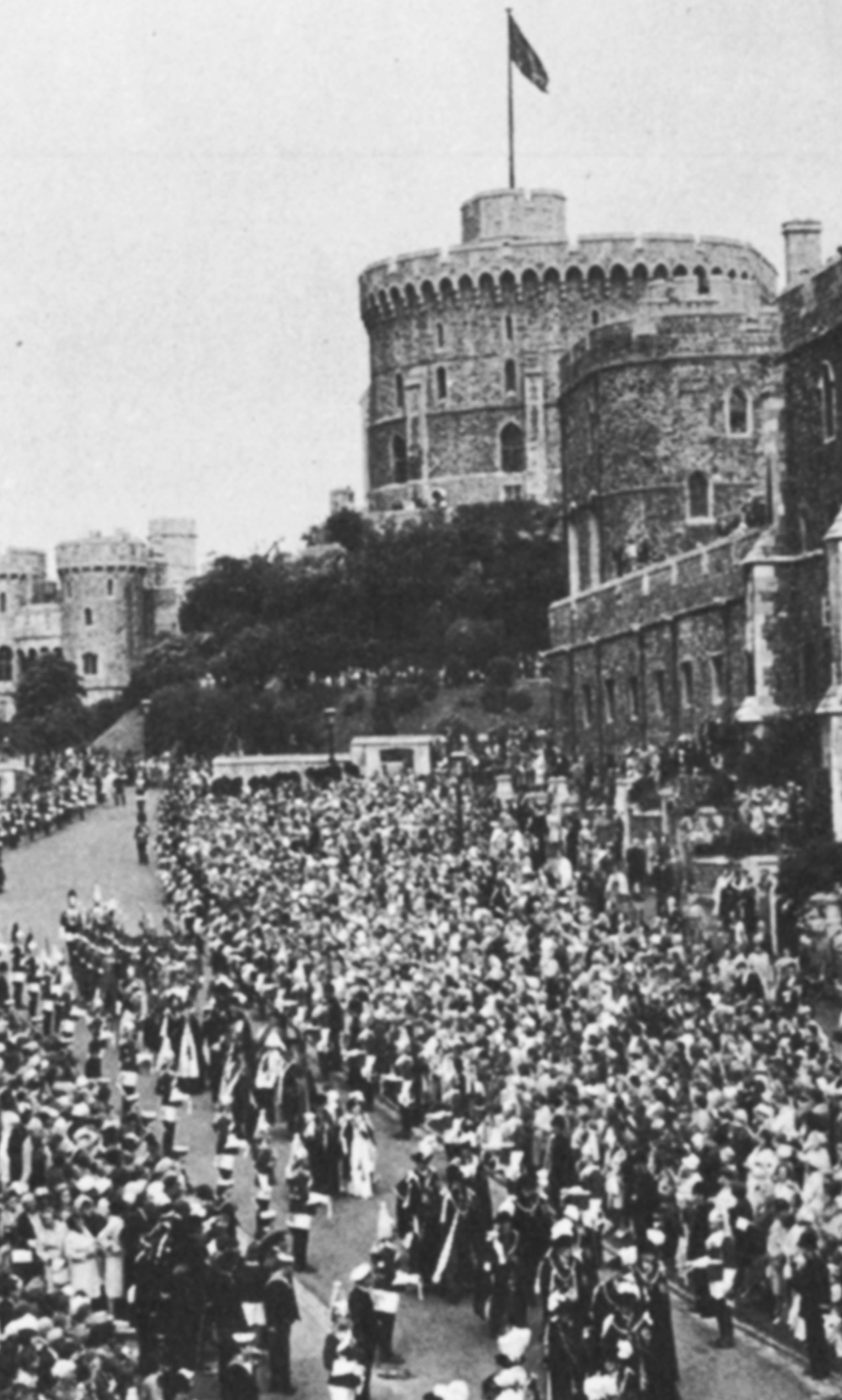
The crowds outside Windsor Castle

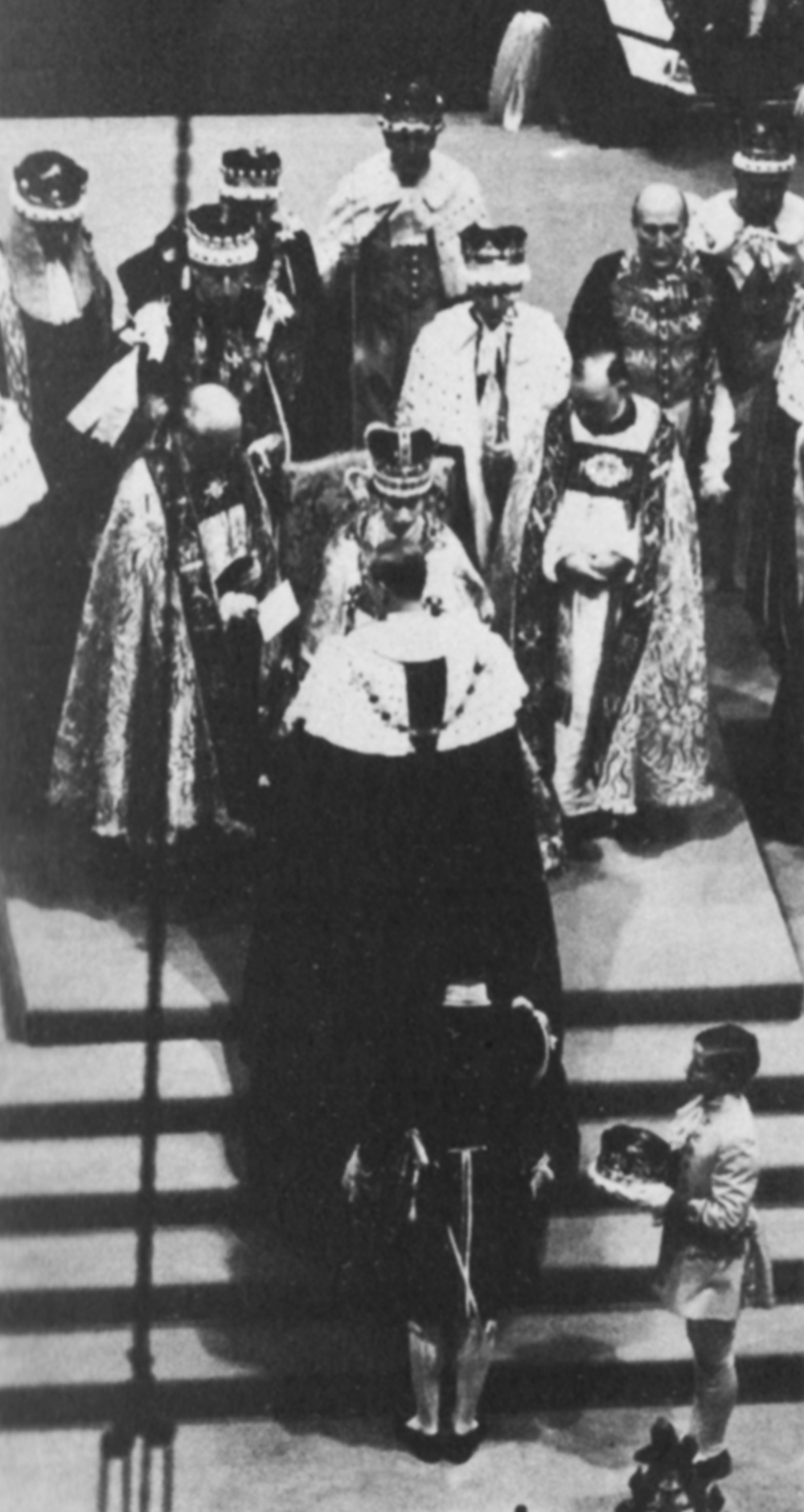
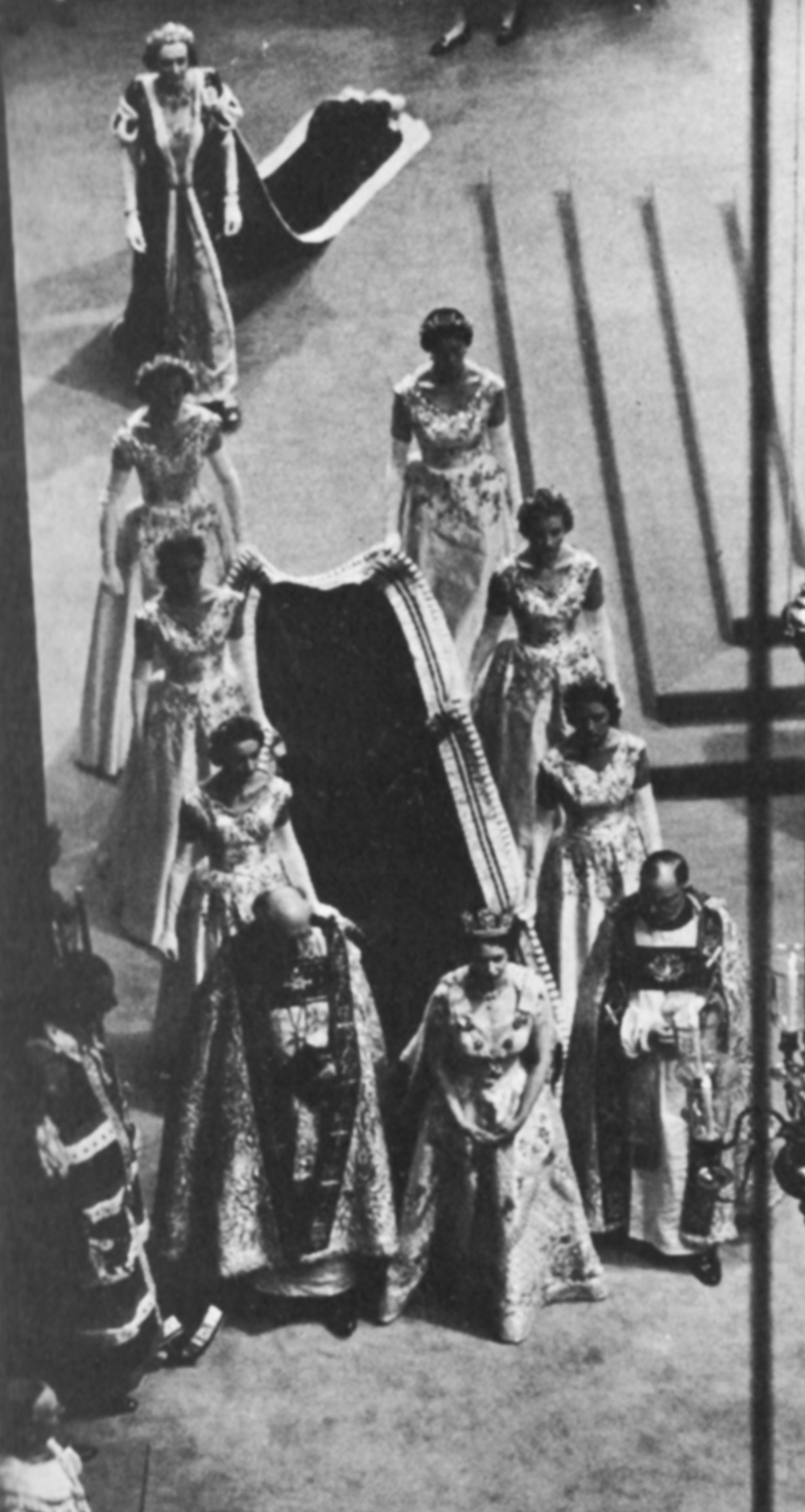
In all my experience of State ceremonies – and I have described most of them in the past ten or fifteen years for the BBC – I have never known one go so quickly. I think that this was due to the wonderful colour of the scene in the Abbey and because it was changing all the time. There was always something to watch.

I left my yacht, the Vabel, on the river in a police launch at a quarter past five on Coronation morning, and I was in my box in the triforium of the Abbey at 5.30. I sat in the box without a break until 2.30 in the afternoon – nine hours. But it felt like no more than two or three. All my colleagues of the BBC had the same experience. It was almost impossible to believe that virtually a whole working day had passed since we came in.

The commentators’ box that had been built by the Ministry of Works for the BBC was a miniature house occupying the two central arches of the triforium, or upper gallery of the Abbey, and in the middle of the eastern end… in other words, immediately behind the High Altar.

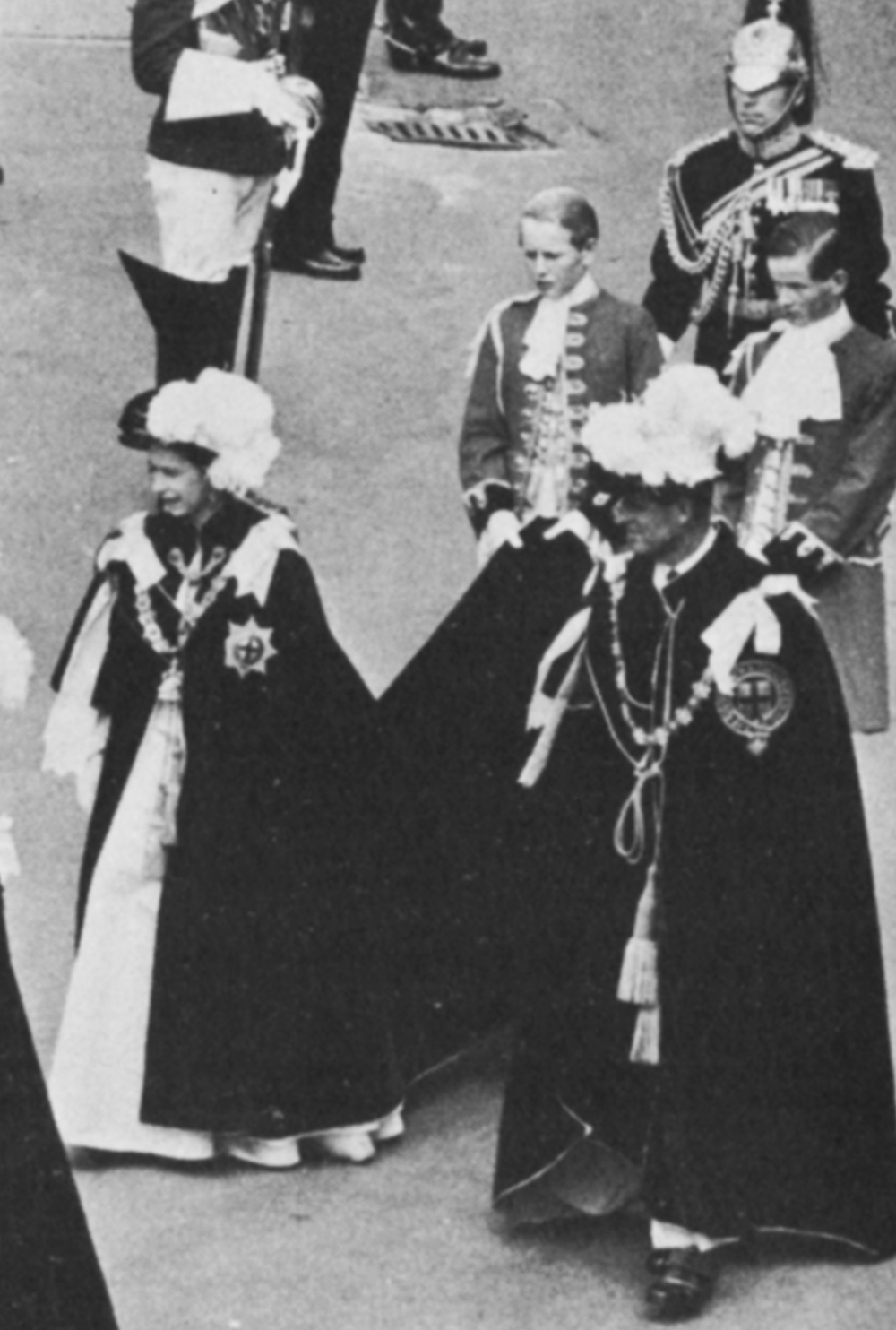
The Queen and the Duke of Edinburgh in ceremonial robes

This ‘house’, which was so completely sound-proofed that it would have been possible to shout at the top of one’s voice inside it without being heard by somebody standing outside the door, was divided into four rooms.

John Snagge and Howard Marshall, who were the commentators for sound radio, occupied the ground floor left, while the ground floor right was filled by a television cameraman and his camera, of necessity so cramped that he was only just able to sit upright.

On the upper floor the room on the left was occupied by two French commentators, one talking to France for sound radio and television combined (a Herculean task) and the other to French-speaking Canada for radio.

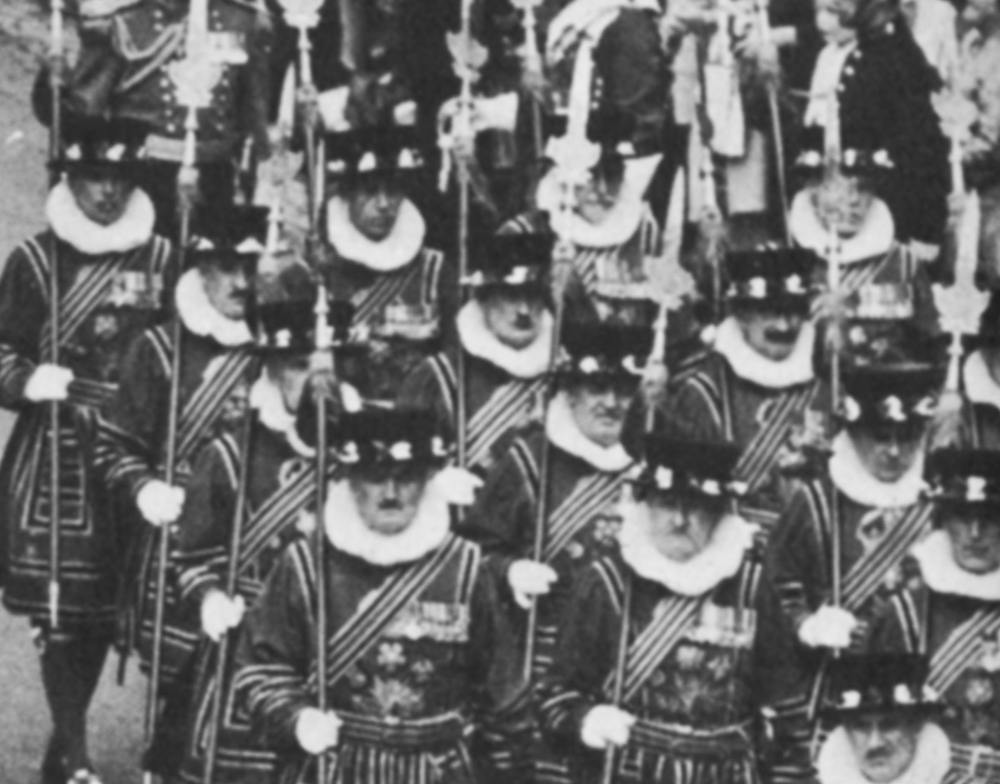
Yeomen Warders of Her Majesty's Royal Palace and Fortress the Tower of London, and Members of the Sovereign's Body Guard of the Yeoman Guard Extraordinary march

The whole of the ‘coverage’ of the historic ceremony as far as television and sound at home and abroad were concerned came from this minute ‘house’, which was connected with the sound control room in the Dean’s Verger’s room and with the television control in a hut built just outside the Abbey.

The existence of the commentators during the day was reasonably comfortable though rather cramped. Certainly we had an unrivalled view of the whole proceedings, thanks largely to the personal interest taken by the Earl Marshal, the Duke of Norfolk, who climbed up to the triforium one day, a few weeks in advance of The Day, to survey the site and decide on the spot what accommodation should be provided.

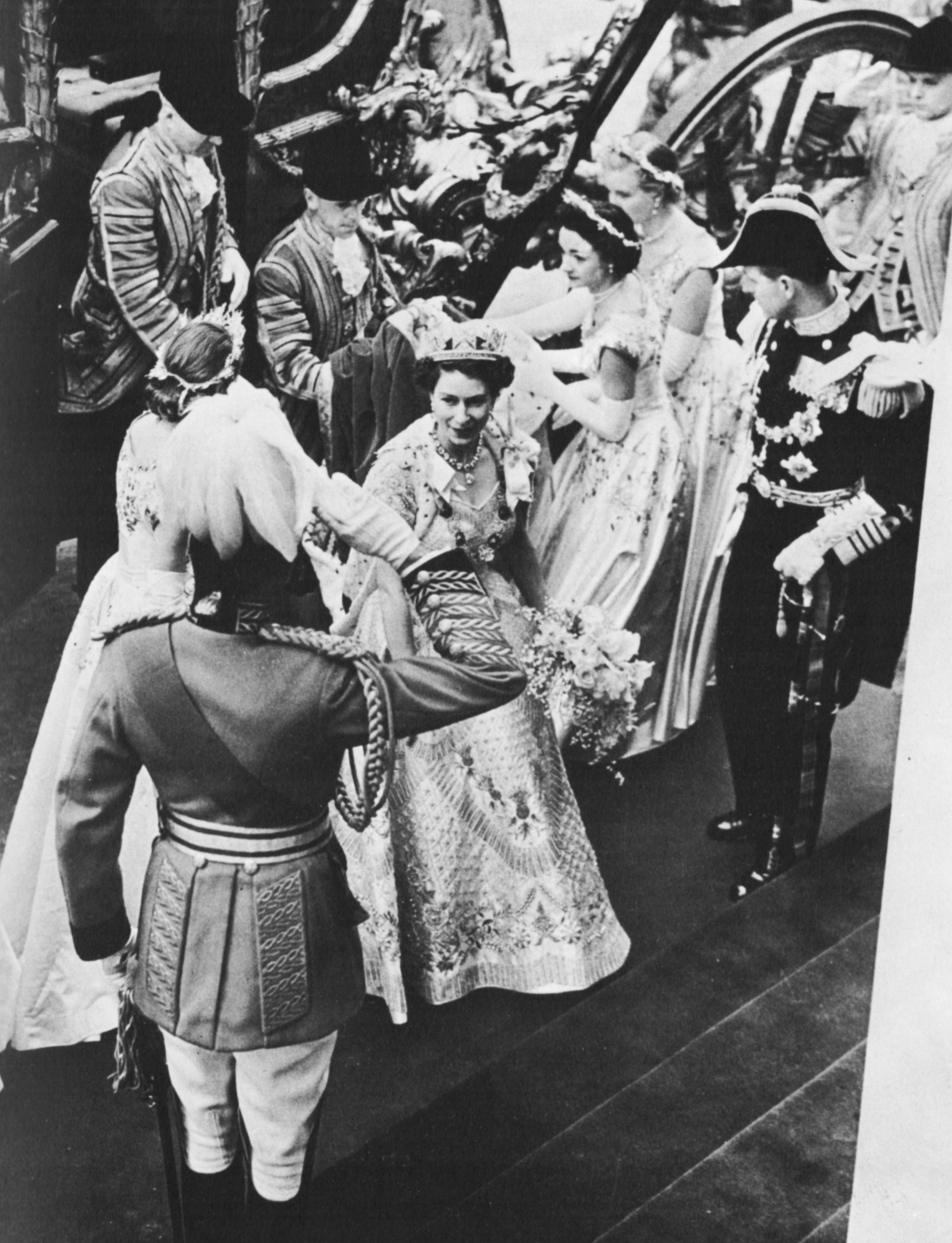
The Queen exits her carriage

One of my outstanding memories of the whole Coronation was, indeed, the kindness of the Earl Marshal. Anyone who believes that this peer, with a castle and big sporting interests, had a sinecure in his – if I may use the expression – stage management of the occasion is utterly mistaken.

Here was a man who carried the entire burden of the arrangements on his own shoulders, who knew every detail, and personally worked out every timetable. I do not think that he could have had more than a few hours’ rest at any time during the eight months preceding this week.

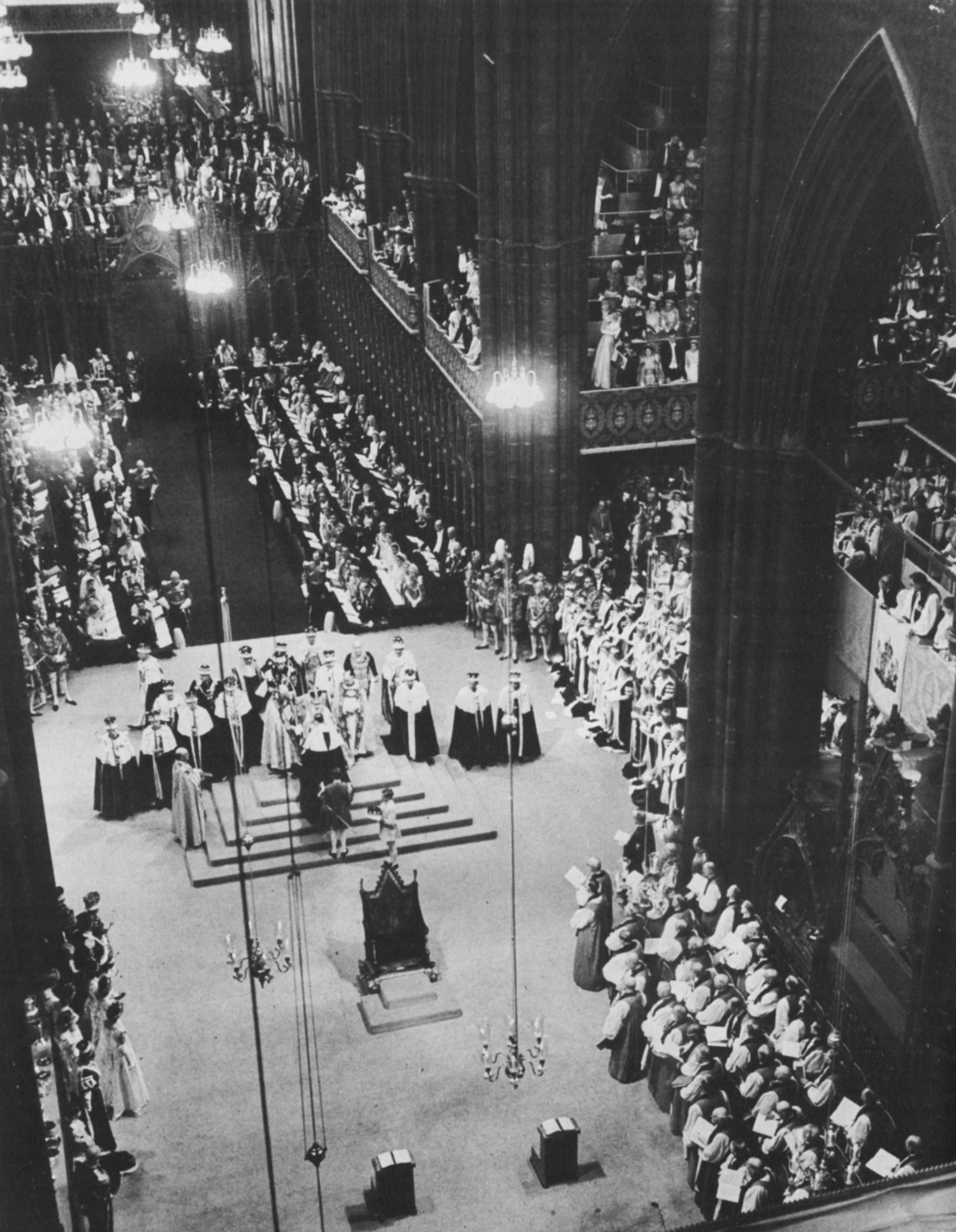
The view down into the Abbey

Nevertheless he found time to attend meetings with the BBC and the newsreel organisations to discuss technical details, to go to Broadcasting House to listen to recordings made at the previous Coronation in 1937, to invite the three BBC commentators to luncheon privately so that we could talk over any problems, and to attend the BBC television studios at Lime Grove on the Saturday before the Coronation so that any such minute difficulties could be resolved.

He is also a man of quite tremendous humour. He told me that, having observed some of the staff officers fidgeting during the final rehearsal in the Abbey, he sent them a message ordering them to stop and reminding them that ‘there is plenty of room in the Tower’.

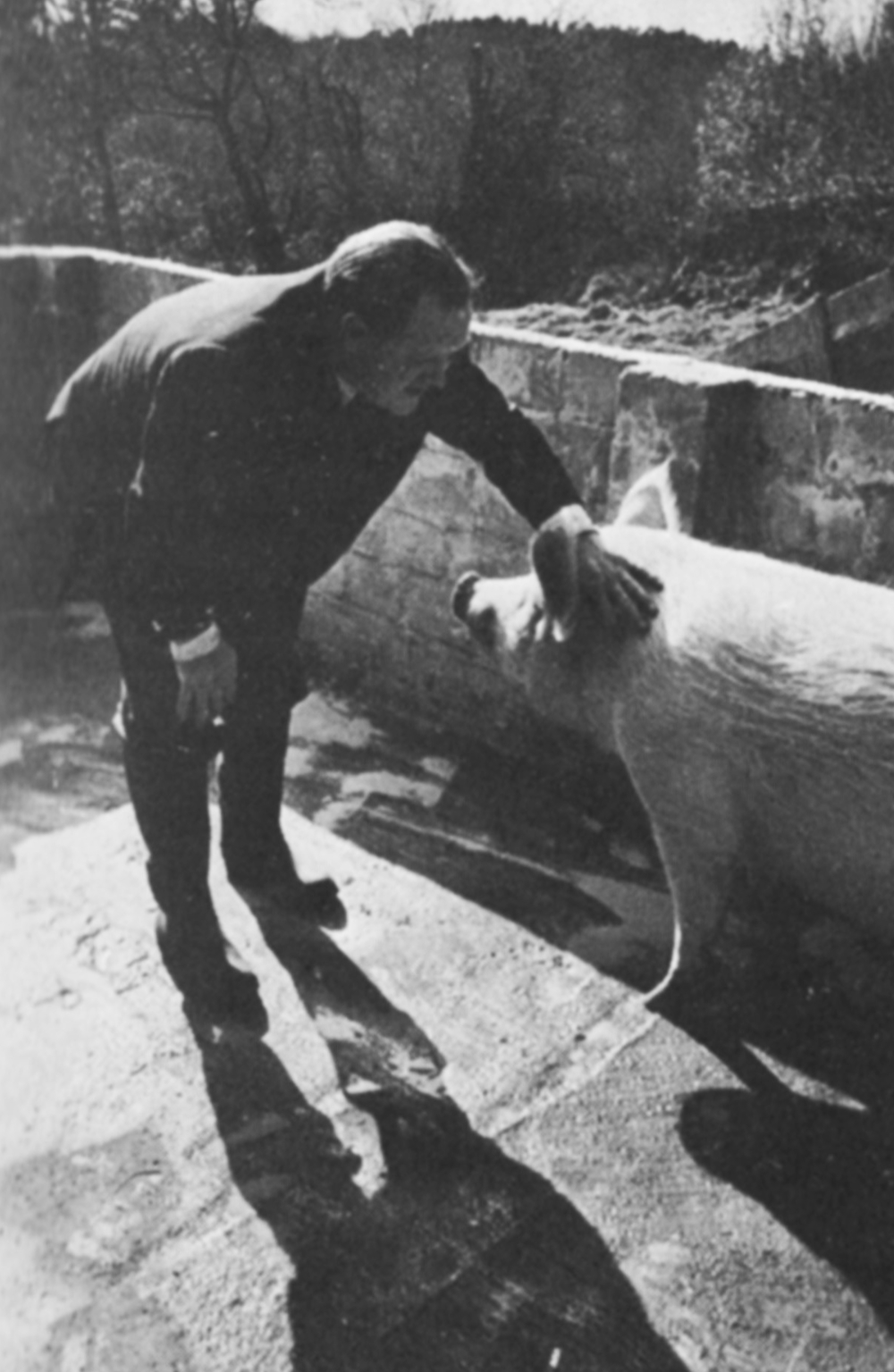
Dimbleby and a pig

The same could be said of that jolly, entirely natural and charming man, the Archbishop of Canterbury, who has the knack of putting one completely at ease. He confounded me by saying when we met in the Abbey at a rehearsal two weeks ago: ‘What wonderful progress your pigs are making.’

For the moment I thought I had misunderstood his remark until he explained that he had been staying with one of his sons who lives in our village and had seen my piggery and the latest litter. Thereafter each conversation we had in the Abbey was always prefaced by a remark or two about the pigs, to the astonishment of the sundry Officers of State who were standing near.

I cannot deny that I found my task of acting as television commentator for the Abbey ceremony an exacting one, but it was an honour of which I am very proud. The essence of the whole thing is that timing should be precise. The duty of any television commentator is to say just enough and no more, although there are times when the effect of what is being shown on the screen is infinitely greater if it takes place in silence.

Thus, in the Abbey there were moments in the ceremony which had to be left uncovered by speech but which were preceded immediately by ritual which needed explanation. It was, therefore, vital to know exactly how long this ritual took and to prepare a note or ‘rubric’ which fitted that time precisely.

This, I think, was the greatest strain, to speak at a critical moment, knowing that within a second or two something must happen over which one must not speak, or even that Her Majesty or the Archbishop were about to speak.

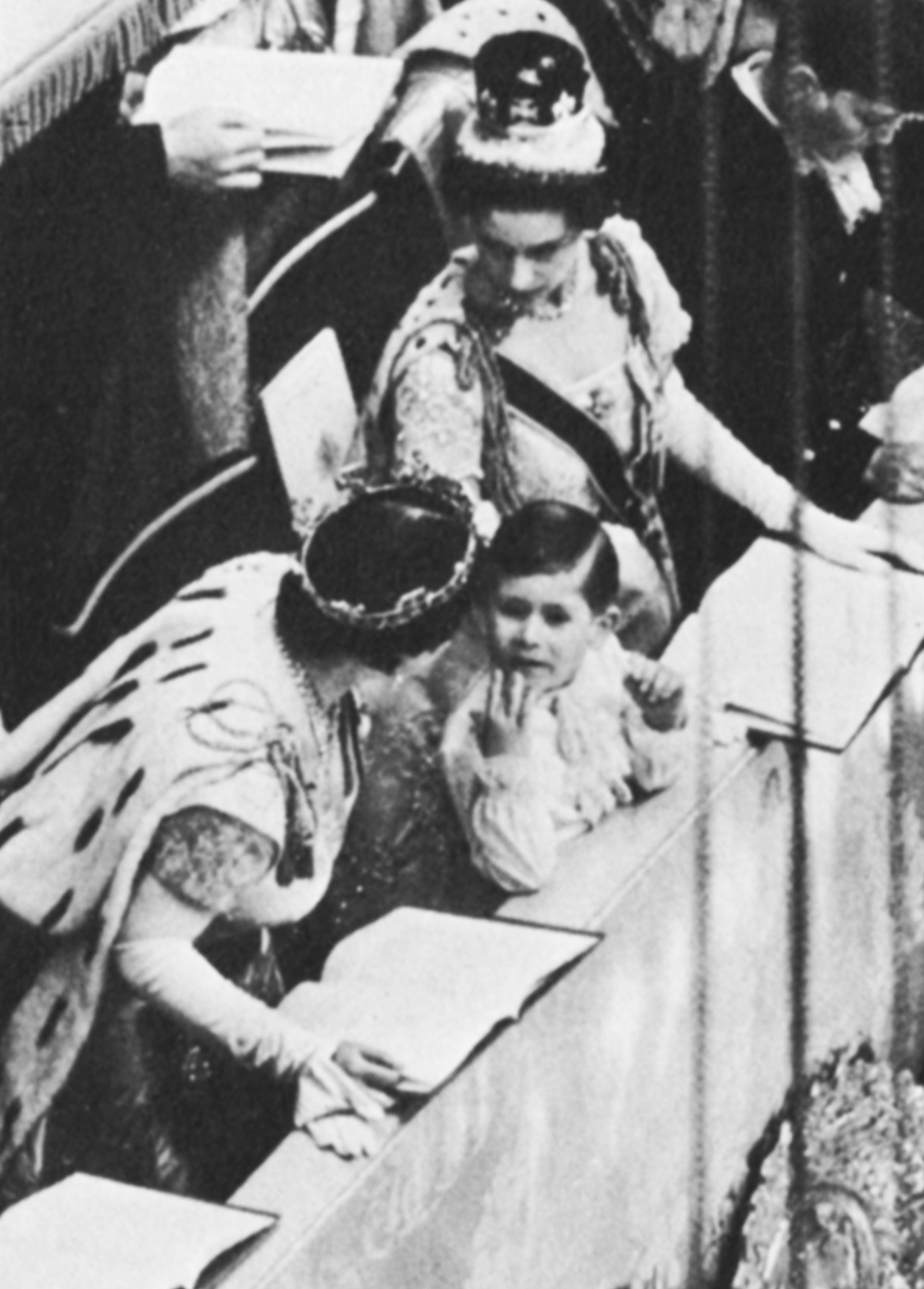
The young Prince Charles with his grandmother, Queen Elizabeth the Queen Mother

So thorough had been the rehearsals that we were able to fit this jigsaw together successfully, being caught only once, when the Archbishop proceeded directly to a prayer when at rehearsals he had paused before uttering it. Such details in retrospect may seem very trivial, but it is close attention to them that gives any great occasion its maximum effect. Details, of course, are what one remembers most when looking back on the occasion. I remember when the Duke of Cornwall first appeared by the side of his grandmother, the Queen Mother, in the Royal Box. We had been waiting for this, of course, and for an awful moment I thought that he was in a position in which our cameras could not see him.

His presence in the Abbey for the Coronation of his mother had been so widely publicised beforehand that we never would have been forgiven for not showing him to the millions of those looking in on television. You may imagine my relief when I heard the voice of Peter Dimmock, the television producer at the Abbey, saying in my headphones: ‘I have got a lovely shot of Charles – mention him as soon as you like.’

Then there was the charming paternal attitude of the Bishop of Durham [now Archbishop of Canterbury], who by ancient tradition stands on the right hand of the Sovereign during the whole ceremony. I am sure that millions of people watching their television screens must have seen the continuous glances which he gave the Queen, almost as though he were saying: ‘Don’t worry, my dear… it is going beautifully.’

The Queen now crowned

It reminded me exactly of a father nursing his daughter through some trying ordeal, though in fact the Queen needed no encouragement at all. She had attended several rehearsals, taking part in them herself, and quite obviously knew the whole ceremony.

Though her attitude throughout was devout, indeed humble, since this was largely a Communion service in which she was partaking, I saw her at the moment when the Mistress of the Robes was adjusting the gown of white linen that she wore for the anointing give an almost imperceptible signal with her right hand behind her back that enough adjustment had been made and that she was now to be left alone.

Another moment in the service I found very touching was the homage paid to his wife by the Duke of Edinburgh. The historic form of service laid down for the Coronation demands that the Princes of the Blood and the Peers when kneeling before the Sovereign shall first give their Christian name and title.

For example, the Duke of Norfolk said: ‘I, Bernard, Duke of Norfolk…’. I wonder how many people noticed that the Duke of Edinburgh only gave his Christian name and omitted any title? Was it perhaps because he wanted the Queen to know that he was paying homage to her as her husband and not simply as one of the Royal Princes?

The Queen exists the Abbey

I must also mention the splendid bearing and dignity of Sir George Bellew, who as Garter King of Arms was responsible for a great deal of the detailed ‘stage management’ on the floor of the Coronation theatre. ‘Garter’, as he is known, is a living encyclopaedia on all matters appertaining to State affairs. I have never known him at a loss to answer immediately and correctly the most difficult technical question. Signals which he gave in his capacity as King of Arms during the ceremony for various movements were a model of efficiency and unobtrusiveness.

One little thing slightly marred the glorious memories. When I was in the Abbey in the evening while we were preparing the television epilogue which we put on the air unannounced at 11.30 I saw the melancholy sight of the litter left behind by the peers.

It seemed to me amazing that even on this occasion we could not break ourselves of one of our worst national habits. Tiers and tiers of stalls on which the peers had been sitting were covered with sandwich wrappings, sandwiches, morning newspapers, fruit peel, sweets and even a few empty miniature bottles. Let us be fair however, and remember that the peers, many of them elderly men, had sat in their places, some of them seeing very little of the ceremony, for seven hours.

Perhaps it was because the day was so cold that no casualties at all were reported to the ambulance teams hidden away within the Abbey. One herald fainted during the final rehearsal and one page was taken ill. During the actual ceremony no human failing marred the proceedings, in sharp contrast to the considerable casualty list at the Coronation of King George VI in 1937.

During Tuesday’s ceremony I heard an American say: “This is the only country in the world that could stage such a wonderful show.’

His choice of words could be improved upon, perhaps, but his meaning was quite clear. It was a very moving experience, even for one as urgently preoccupied as I was with the details of the occasion, to see a ceremony being performed which would be recorded in the children’s history books 500 years hence.

I felt profoundly conscious that I was seeing history in the making, and, indeed, the whole pageant on the floor of the Abbey moved with a slow irresistible rhythm that seemed to lift it out of time altogether. I thought at one moment as I half-closed my eyes and watched the measured ceremony being carried through that I might be watching something that had happened a thousand years before. In all that time there has been no major change in our Coronations: the lovely robes of the great officers of State, the gleaming swords, the Crown Jewels, the massed assembly of bishops in scarlet and white, and the matchless setting of the Abbey itself – belonging not to one year or to one century but to our history.

Official coronation portrait of Queen Elizabeth II

This curiously detached emotion was not just the hypnotic effect of a great occasion. During the past two days I have been working with Brian George, who is in command of all recording operations at the BBC, making a permanent gramophone recording of the great occasion.

This has necessitated playing over several times recordings of last Tuesday’s ceremony.

It is an extraordinary thing that the thrill of emotion that I felt when I heard the lovely music and singing and the beautiful spoken words of the Archbishop during the actual ceremony has returned every time that the recordings were played. There is, indeed, a strange quality about the Coronation ceremony. It makes it quite different from any other great occasion in our national life.

There were moments during the ceremony when my emotion must have been obvious to listeners. For example, when I saw the Queen’s Champion so proudly bearing the Queen’s Standard in the procession, a man whose family has defended the honour of their Sovereign without a break since days of William the Conqueror, I found it very difficult to control my voice and speak properly at all.

John Snagge, in the adjoining box, told me that he felt precisely the same emotion.

I believe that we as a nation have done ourselves a profound service by showing to the world how unchanging are the traditions and pride which are our foundations. Visitors from abroad who were in London on Tuesday were envious of everything they saw, and none more so than the Americans – a race of such vitality but so lacking in tradition – who know that they must wait a thousand years before they can show the world anything so significant or so lovely.

I have never been so tired as I was when I finally left the Abbey at half-past midnight on Tuesday – seventeen hours after I entered it. I have never felt so acutely the strain of describing a great public occasion, and I have never before had such a feeling of nervousness and anxiety before the day began.

But I have never been so proud or so glad that I was able to contribute in a small way to history, even to making a fragment of history, because this was the first time that the Coronation of a British Sovereign had ever been seen as it happened except by the privileged few in the Abbey.

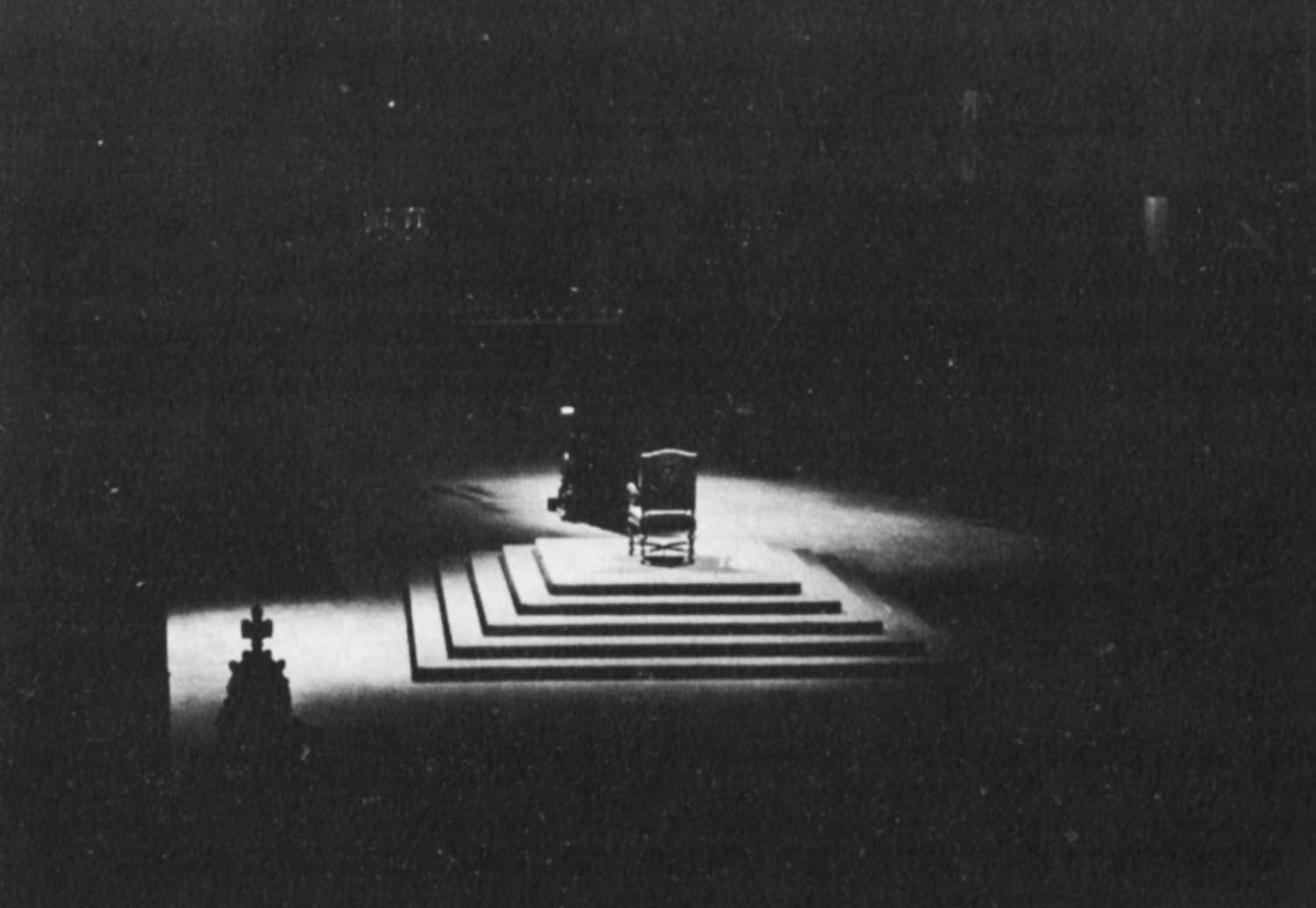
The empty Abbey at night, a spotlight on the throne

Listening in the Dark

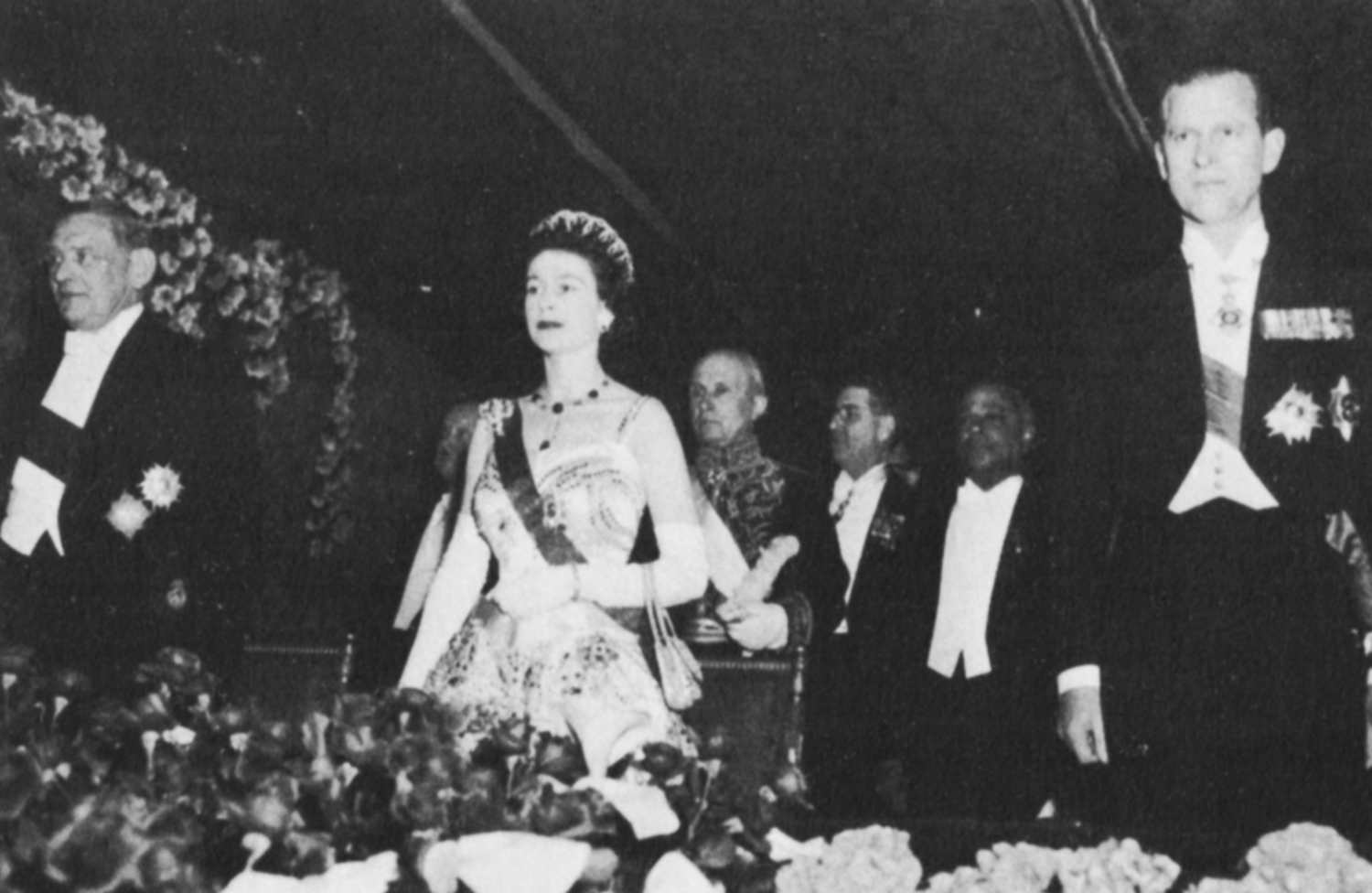
Sometimes on ceremonial occasions there would be technical trouble. An example was the departure of the Queen and the Duke of Edinburgh from the Opera during their State visit to Paris in April 1957:

The Queen and president René Coty

They had the Garde Republicaine with all their lovely uniforms on the stairs and searchlights outside, something like a hundred and fifty thousand people outside the Opera House. I was in a box inside where I’d been for the performance, and had to commentate on her departure from the front of the Opera without seeing myself what was going on. I could see, of course, what the television cameras outside were showing me on a television set inside this box, so watching that I was able to describe the thing – that was the idea. Just before we went on – in fact, ten seconds before we went on the air – the lights failed in the Opera House, and not only was I plunged into pitch darkness but the monitor was switched off automatically and the picture went dead. The lights all went out and I was in this little box, with curtains across the front so dark that I literally couldn’t see my hand if I held it up like this. Unable to see anything that was happening outside, but on the air – and since my telephone had broken down no means of telling the producer that I couldn’t see, so I had to listen to the cheers outside and guess what was going on and say – ‘Well now, here goes the procession’, and with the sweat pouring down my face, and after about – after about ten minutes of this the producer realised that I couldn’t see, and began telling me on my headphones what he could see through his cameras, and we managed to get it right. And I think people never really listen to television because nobody wrote in to say: ‘Now what happened? What went wrong?’ It was very disappointing. I wish somebody had noticed that we made a mess of it.

Coty, the Queen and the Duke of Edinburgh
The Queen and Duke of Edinburgh with President René Coty at Paris Opera House, 8 April 1957

Spaghetti Harvest

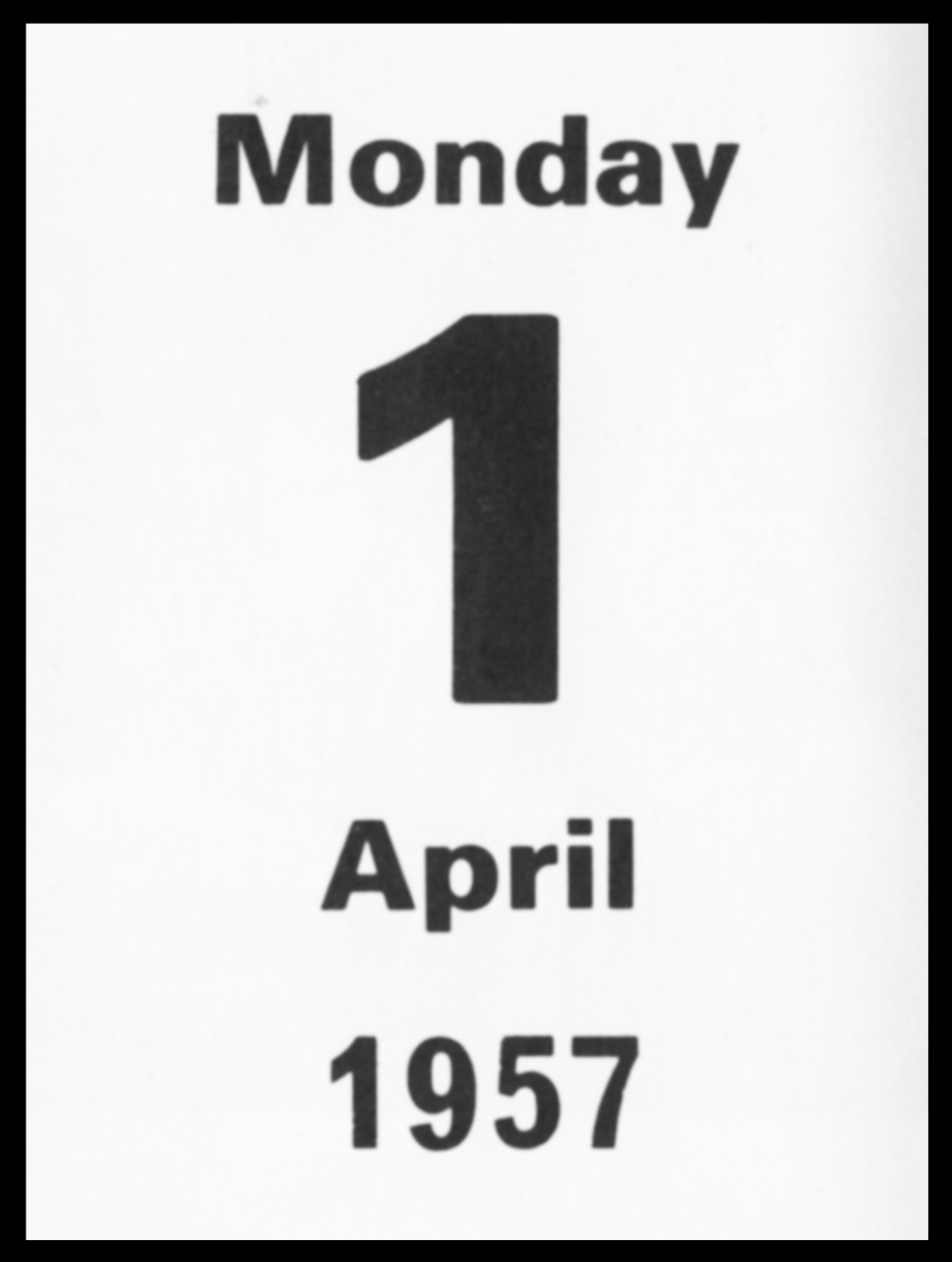
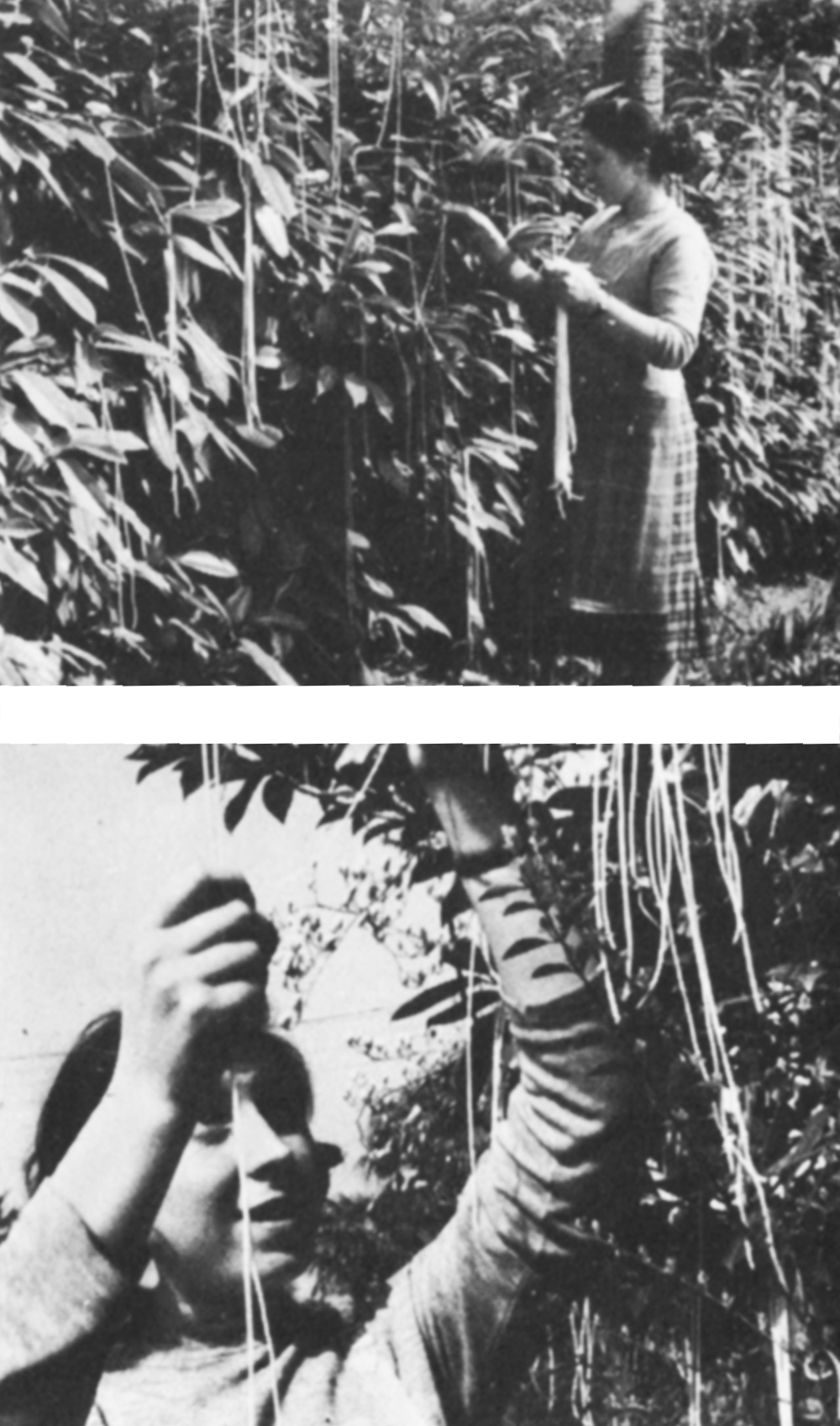
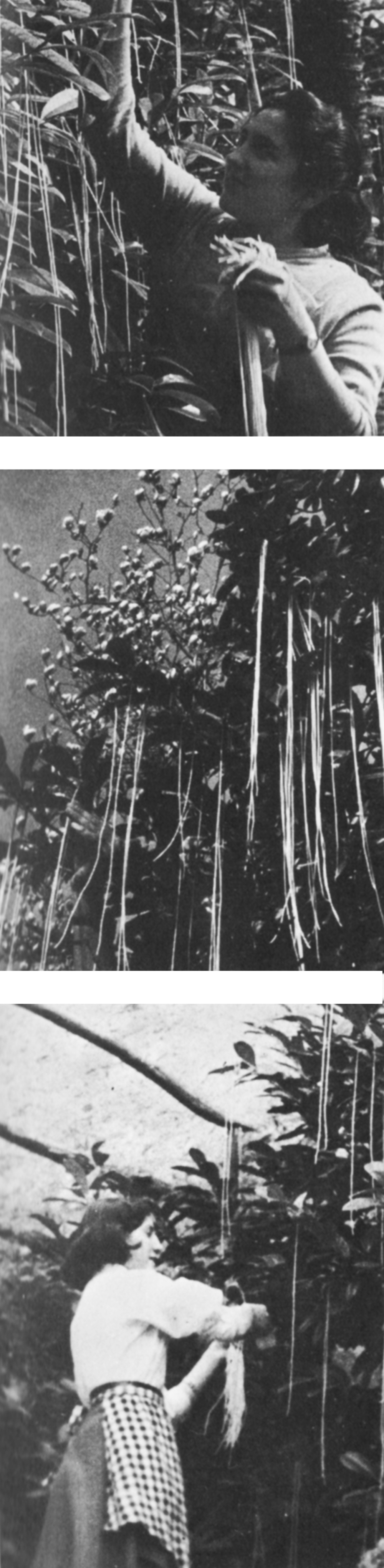
When Richard Cawston came to join the production team of Panorama from Film Department he brought with him a scheme which had long been cherished by Charles de Jaeger, a cameraman with a Viennese background. De Jaeger, who seemed to have relations in every capital of Europe, as well as an outsize sense of humour, wanted to make a visual April Fool’s joke about a spaghetti harvest. Monday 1 April 1957 The proposal never got anywhere until Cawston arrived at Panorama and then it had to wait until 1 April came on a Monday. In 1957 it did. Charles de Jaeger was on another assignment in Switzerland near Lugano. He stuck twenty pounds of spaghetti on to laurel bushes with sellotape and photographed it from every angle. All of us involved with Panorama, and Richard himself, felt it was high time that television was taken with some critical scepticism. David Wheeler wrote a script and Richard put it over dead pan. As the film opened with shots of burgeoning buds, Richard said:

It isn’t only in Britain that spring this year has taken everyone by surprise. Here, in the Ticino, on the borders of Switzerland and Italy, the slopes overlooking Lake Lugano have already burst into flower, at least a fortnight earlier than usual. But what – you may ask – has the early and welcome arrival of bees and blossoms to do with food? People pluck spaghetti from a tree Well, it’s simply that the past winter, one of the mildest in living memory, has had its effect in other ways as well. Most important of all, it’s resulted in an exceptionally heavy spaghetti crop. The last two weeks of March are an anxious time for the spaghetti farmer. There’s always the chance of a late frost which – while not entirely ruining the crop, generally impairs the flavour, and makes it difficult for him to obtain top prices in world markets. But now these dangers are over, and the spaghetti harvest goes forward.

Spaghetti cultivation here in Switzerland is not, of course, carried out on anything like the tremendous scale of the Italian industry. Many of you, I’m sure, will have seen pictures of the vast spaghetti plantations in the Po Valley. For the Swiss, however, it tends to be more of a family affair. Another reason why this may be a bumper year lies in the virtual disappearance of the spaghetti weevil, the tiny creature whose depredations have caused much concern in the past.

People pluck spaghetti from a tree

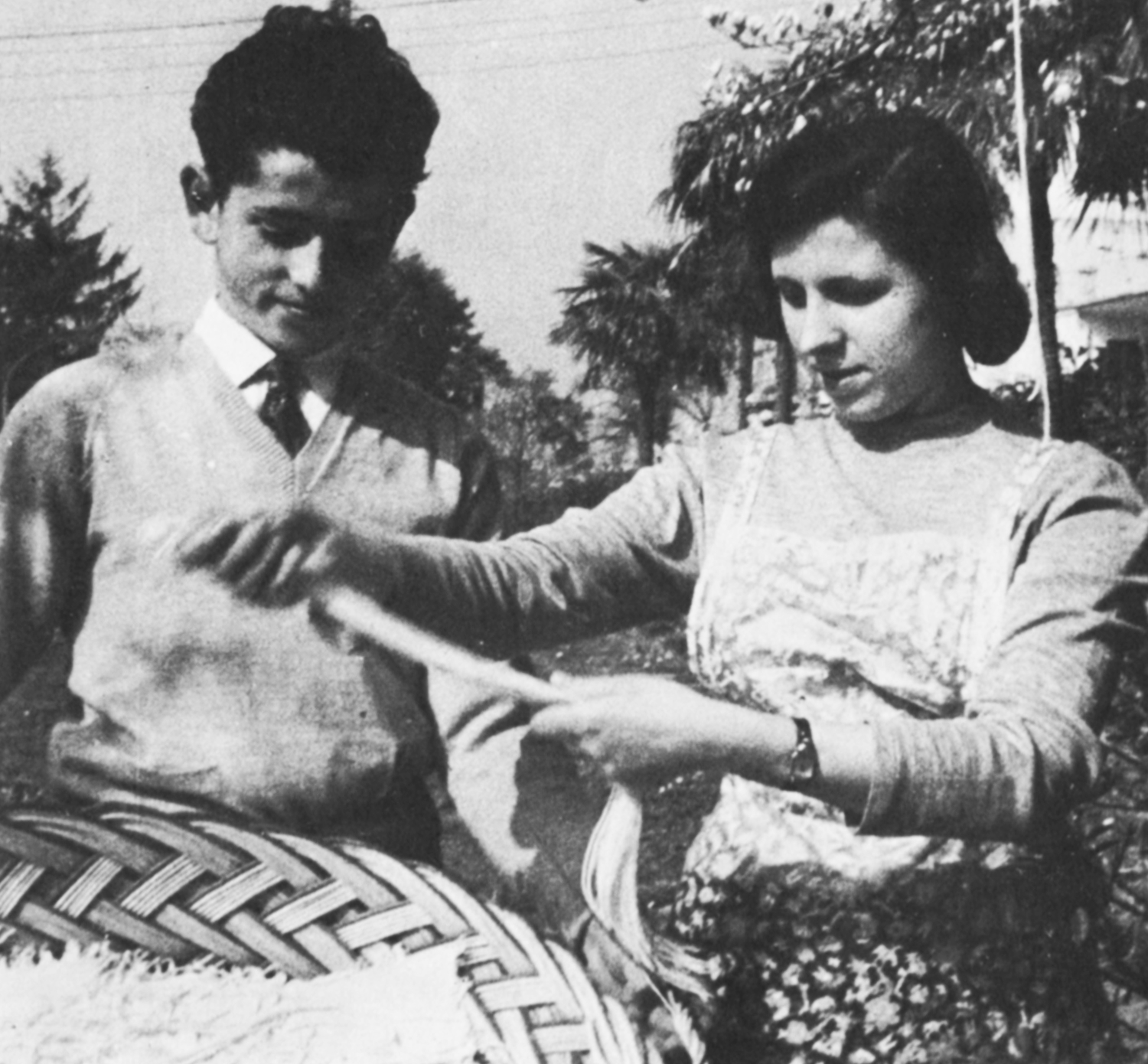
After picking, the spaghetti is laid out to dry in the warm Alpine sun. Many people are often puzzled by the fact that spaghetti is produced at such uniform lengths, but this is the result of many years of patient endeavour by plant breeders who have succeeded in producing the perfect spaghetti. And now the harvest is marked by a traditional meal. Toasts to the new crop are drunk in these poccalinos, and then the waiters enter bearing the ceremonial dish, and it is, of course, spaghetti, picked earlier in the day, dried in the sun and so brought fresh from garden to table at the very peak of condition. For those who love this dish there’s nothing like real home-grown spaghetti.

The film ended with Swiss in national costume tucking into the meal and we came back to a shot of Richard at his Panorama desk closing the programme.

We had arranged for an outsize calendar to be on his desk proclaiming 1 April and Richard said: ‘and that is all from Panorama on this first day of April’. Nevertheless, a very large number of people were hoaxed. I went to the BBC’s telephone exchange in Lime Grove where for the next two hours calls came in incessantly. Some were from viewers who had enjoyed the joke, including one from Bristol who complained ‘spaghetti doesn’t grow vertically, it grows horizontally’. But mainly they came with the request that the BBC should settle a family argument. The husband knew it must be true that spaghetti grew on a bush because Dimbleby had said it. The wife knew that spaghetti was made with flour and water. Neither could convince the other.

I had thought it wise to inform the Director-General of the BBC, Sir Ian Jacob, beforehand that this hoax was due to be perpetrated in a current affairs programme. Unfortunately, someone forgot to pass my message on. I ran into Sir Ian two days later at Broadcasting House. He said: ‘I always used to think that monkey nuts grew on bushes until I went to serve in the Canal Zone and saw them growing on the ground. The moment I saw the spaghetti item on Panorama, I said to my wife, “I’m sure spaghetti doesn’t grow on a bush.” We had to look up three books before we confirmed it.’
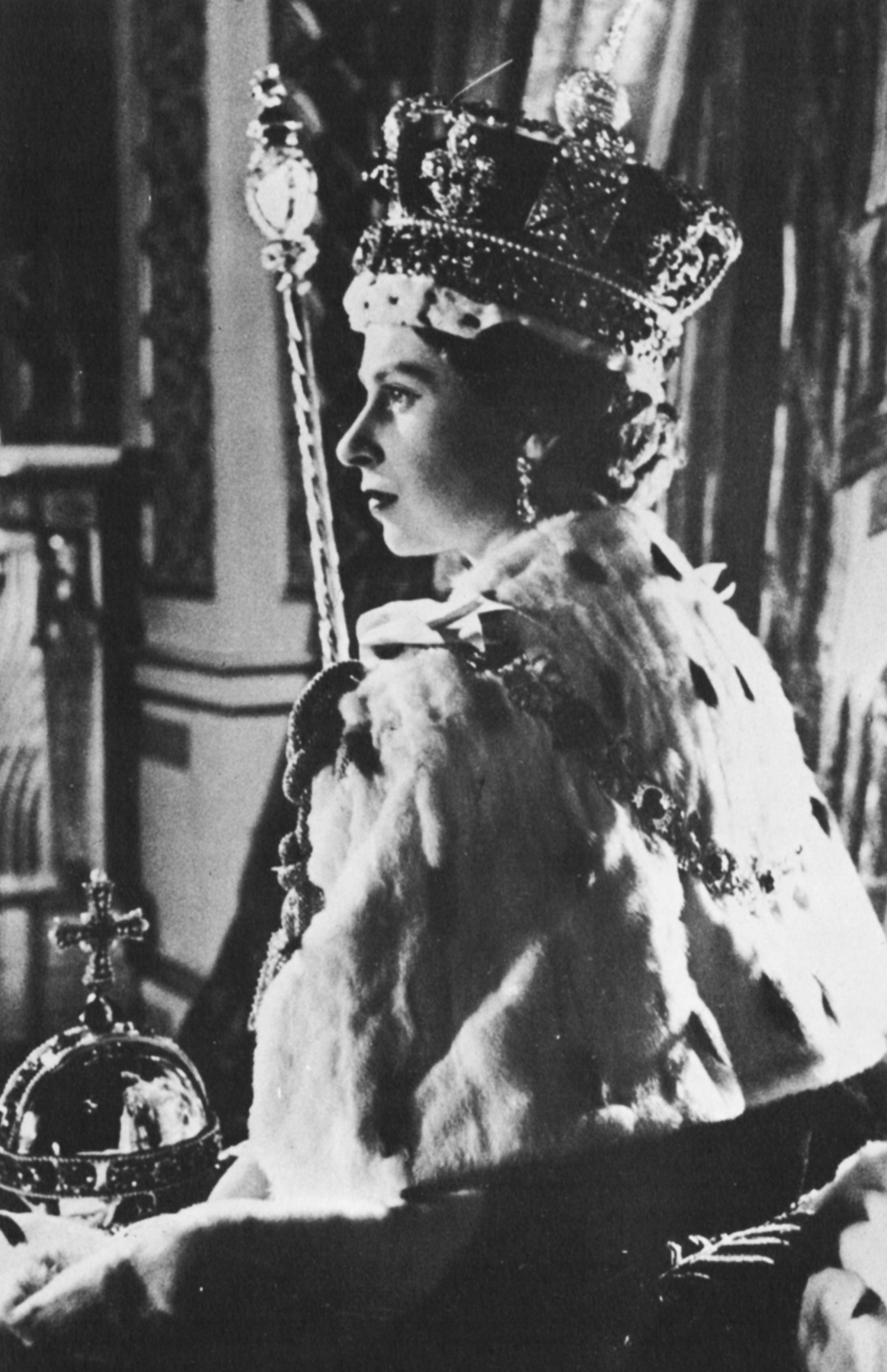
A man and a woman dry spaghetti in the sun

Twenty-one Years of Broadcasting (a self-interview)

By 30 September 1957 Richard Dimbleby had completed twenty-one years of broadcasting. In Panorama that evening he took stock of his career in a self-interview by asking questions of his image fed from another camera on to a television screen:

Question: Mr Dimbleby, you began broadcasting twenty-one years ago. How many broadcasts – radio or television, all put together – do you think you’ve done in that time?

Answer: Well, I’ve tried to add it up – I think it must be in the region of – it’s approaching three thousand.

Question: Well, out of those three thousand are there any particular ones that you remember more than any other?

Answer: Yes, I think there are – I think there are five. The first one was 1938 – these are all occasions on which I was commentator or present – 1938 when Chamberlain came back to Heston Airport, the height of the Munich crisis, waving in his hand a little bit of paper and saying ‘This means peace in our time’, if you remember; and then the first report from the Western Front in the Second World War, that the BEF had gone into action against the German Army, I happened to give that one myself. And later on in the war the discovery of the Belsen concentration camp, I was among the first three people who went in through the gates of that camp, something so horrible I’ll never forget it. Much later on the Coronation of our Queen, because I think that was a great occasion, for television, apart from all its other implications. And more recently, a couple of years ago, the marathon general election television broadcast when we seemed to go on for about twenty-one hours on end without stopping.

Dimbleby on screen interviews Dimbleby sat behind a desk

Question: Now if I may ask you just one or two pointed questions about yourself and hope for a frank answer. It has been said by people that you’re only really happy in what you’re doing and only really successful in what you’re doing when you’re mixing with dukes and you’re messing about in stately homes. What have you got to say to that?

Answer: Well, it’s absolute nonsense to start with. I have had to do quite a lot of these ‘At Home’ programmes for the BBC, which does involve going into stately homes, and in stately homes you are apt to find dukes, you can’t help that. You find lots of other people too, commoners as well. If the Duke is lively and the stately home’s a beautiful one, I’m perfectly happy, but I’m no more at home there than I am anywhere else. In the course of my twenty-one years I’ve been all over the country, I’ve interviewed everybody under the sun, I’ve always felt welcome and I’ve always felt perfectly at home. Duke or dustman or anyone else, I don’t mind who it is.
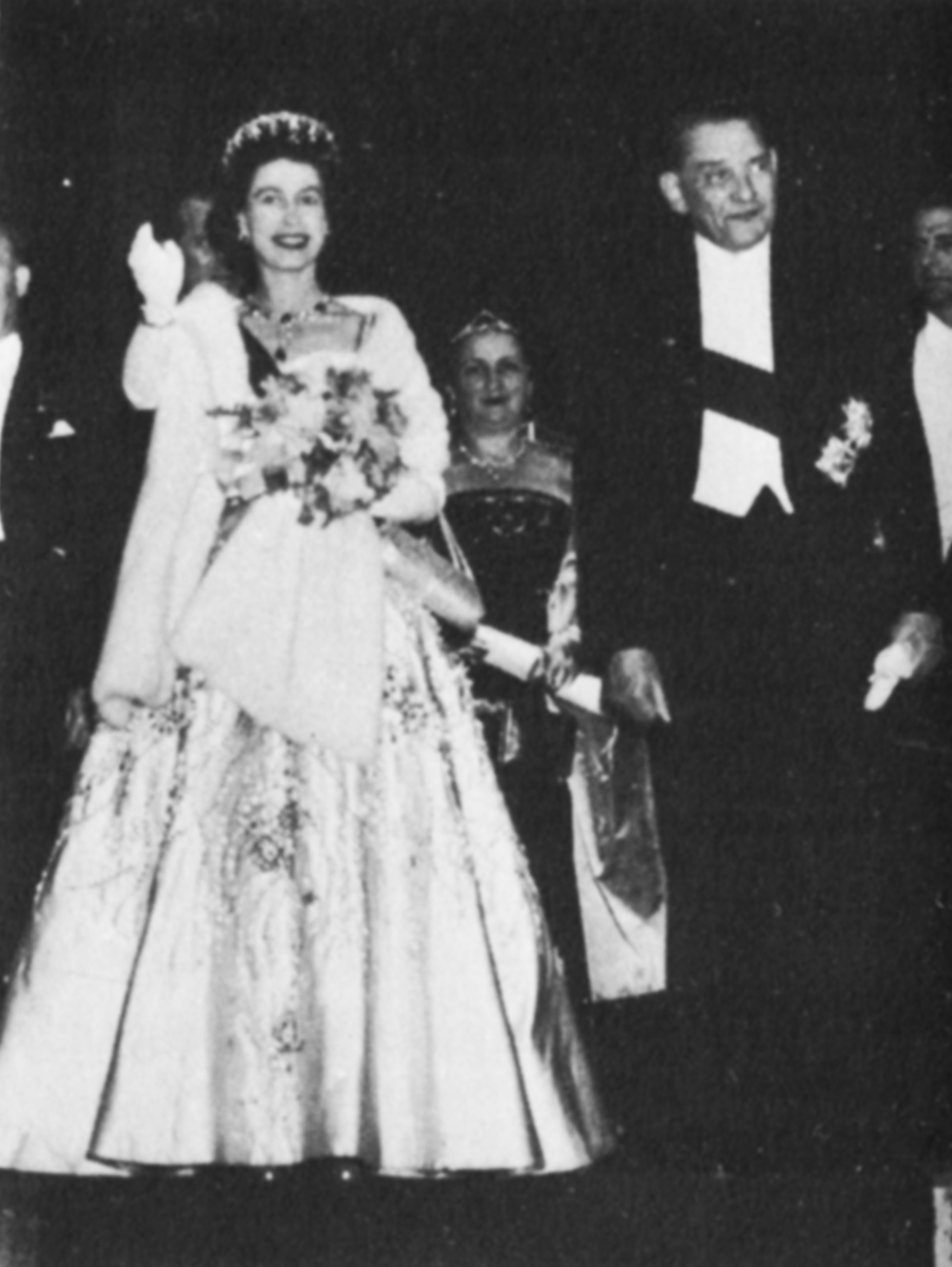
Dimbleby and a tall man look at a painting
At Woburn Abbey with the Duke of Bedford

Question: Well, would you answer this – the critics frequently say that you are pompous. What about that?

Answer: Now that’s something that makes me livid. Look, I don’t think that they know, half of ’em, the difference between pomp and weight. In all the years that I worked in radio and wasn’t seen, nobody ever said I was pompous. The moment I appear on a television screen, they say – He’s pompous. I know what it is, they see I’m enormous – I can’t help that, I am – and because I’m heavy and large they think that heavy and large people are pompous. If I may say so, it’s exactly the same thing as when they say that I’m talking in reverential hushed whispers – I daresay you’ve read that quite often. The reason very often being that on a State occasion or a big occasion, a lot of which I’ve had the good fortune to do for the BBC as a commentator, on those occasions if you’re in a large hushed hall during a solemn ceremony you can’t exactly shout in a Light Programme type of voice, or you’d drown the ceremony and bring it to a standstill. That’s the only reason why I ever whisper anywhere – it’s not reverence, it’s pure necessity.

Question: Well, what about the critics – have you any views on them?

Answer: That’s a temptation. Critics – in my opinion there are only four real television critics in Great Britain. The rest are newspaper reporters who’ve turned to television as a change from crime.

Question: Well, now I’ll ask you, if I may, the sixty-four thousand dollar question – the last one – and it’s this – I’m sorry, you can’t do that, time’s up.

Answer: Yes, well, you’re quite right, so it is.

President Kennedy’s Funeral

One of the most tragically sudden outside broadcasts for which Richard had the minimum time to prepare was the state funeral of President Kennedy on 25 November 1963. That night he introduced Panorama via Telstar from Washington with simple and moving words as he described the sorrowing scenes:

Two images: Mrs Kennedy and her two children; Robert and Edward Kennedy with Mrs Kennedy

The two children join their mother, little Caroline and little John, such poignant figures. And everybody about them in black, and they in their best coats of another colour….

President Lyndon Johnson has just arrived there. On his right-hand side is the Head of the American Secret Service, and above them the tall and splendid figure, in his robes and his mitre, of Cardinal Cushing. With him, Archbishop O’Boyle, and other members of the Roman Catholic Church here, to receive, with an arm about her shoulders, Mrs Kennedy, and give his hand to the two little children….

All the time Mrs Kennedy preserves this quiet silent dignity. Many people ask how much longer she can continue. And the family follow behind. The President, his face lined with sorrow and indeed with strain which he has shown in the three days since he took office, follows slowly behind into his place….

Those invited to attend the Mass are waiting in this, like all the Roman Catholic churches, highly decorated in a multitude of marbles and colours. President de Gaulle follows up the steep steps, Queen Frederika, King Baudouin, the Chancellor of Austria, the President and the Chancellor of West Germany – two by two – they enter from the brilliant sunshine, through the West door of the Cathedral, and inside to where the Low Pontifical Requiem begins, the choir chanting as they come in….

Various heads of state

The coffin is borne to the cathedral steps

And thus, here in the United States, the official events of a sad and bitter day have come to an end. They leave behind, burning like the eternal flame that lit his graveside an hour ago, a thousand memories of the man lost to this nation and to the world….

If there is one thing of which every American citizen is quite certain, it is that he will never forget this day.

At Bladon

Richard himself received another 500 requests for the poem by Avril Anderson which he read at the conclusion of his commentary:

… the village of Bladon, just two miles from Blenheim where the lychgate of the church and the tower of the church can be seen on a winter’s day. It’s close by this church and this churchyard that the Spencer-Churchills lie buried. Not in any lordly isolation, but buried with them down there, John Harry Adams, and Percy Merry, and Kathleen Jones, and William Partlitt, and John Abbott, and Arthur Sawyer, and two little unnamed children aged six and seven. The church itself is as simple and unpretentious as are the graves that lie by it. These the graves of the Churchills – this the grave of Winston Churchill. It lies next to the place where his mother, whom he said was to him like the Evening Star, is buried under those plants that grow. This is the cross of the grave of his father, Lord Randolph Churchill. And all this lies within sight of the monumental palace of Blenheim that a grateful Sovereign gave to Winston Churchill’s ancestor for his services to England, the huge house where Sir Winston said that he took two important decisions – ‘to be born and to marry, and I did not regret either’. Here as a boy he played. As a young man he took the train to Handborough, and a lift on the estate cart up to the Palace. Here he returned in the days of his fame. Here they bring him today to lie forever.

A snowy churchyard

From the Hall of Kings they bore him then,
The greatest of all Englishmen,
To the nation’s, the world’s, requiem
        At Bladon.

Drop, English earth, on him beneath,
To our sons and their sons bequeath
His glories, and our pride and grief
        At Bladon.

For lionheart that lies below,
That feared not toil, nor tears, nor foe,
Let the oak stand, though tempests blow
        At Bladon.

So Churchill sleeps; yet surely wakes,
Old warrior, where the morning breaks
On sunlit uplands – but the heart aches
        At Bladon.