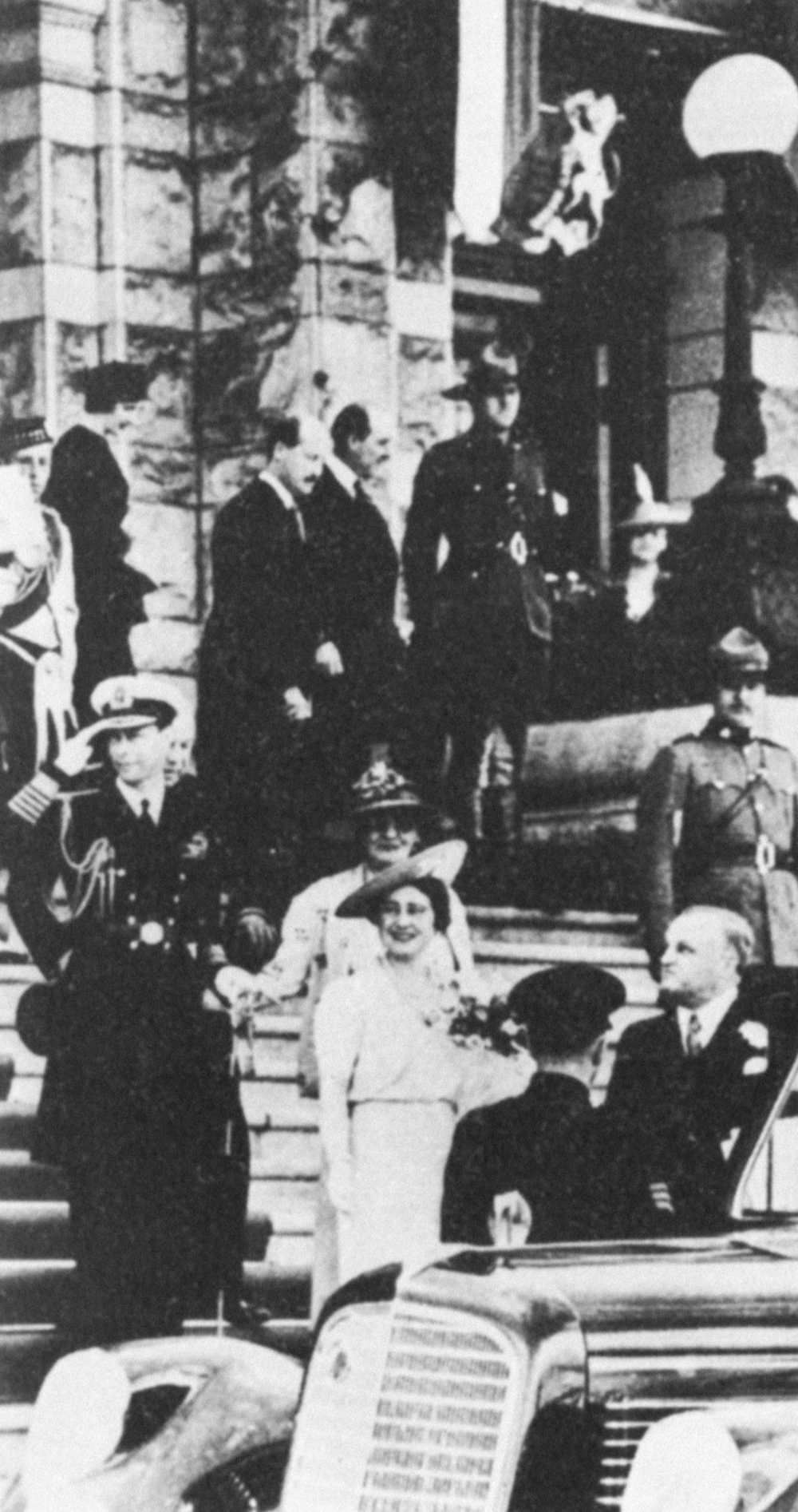
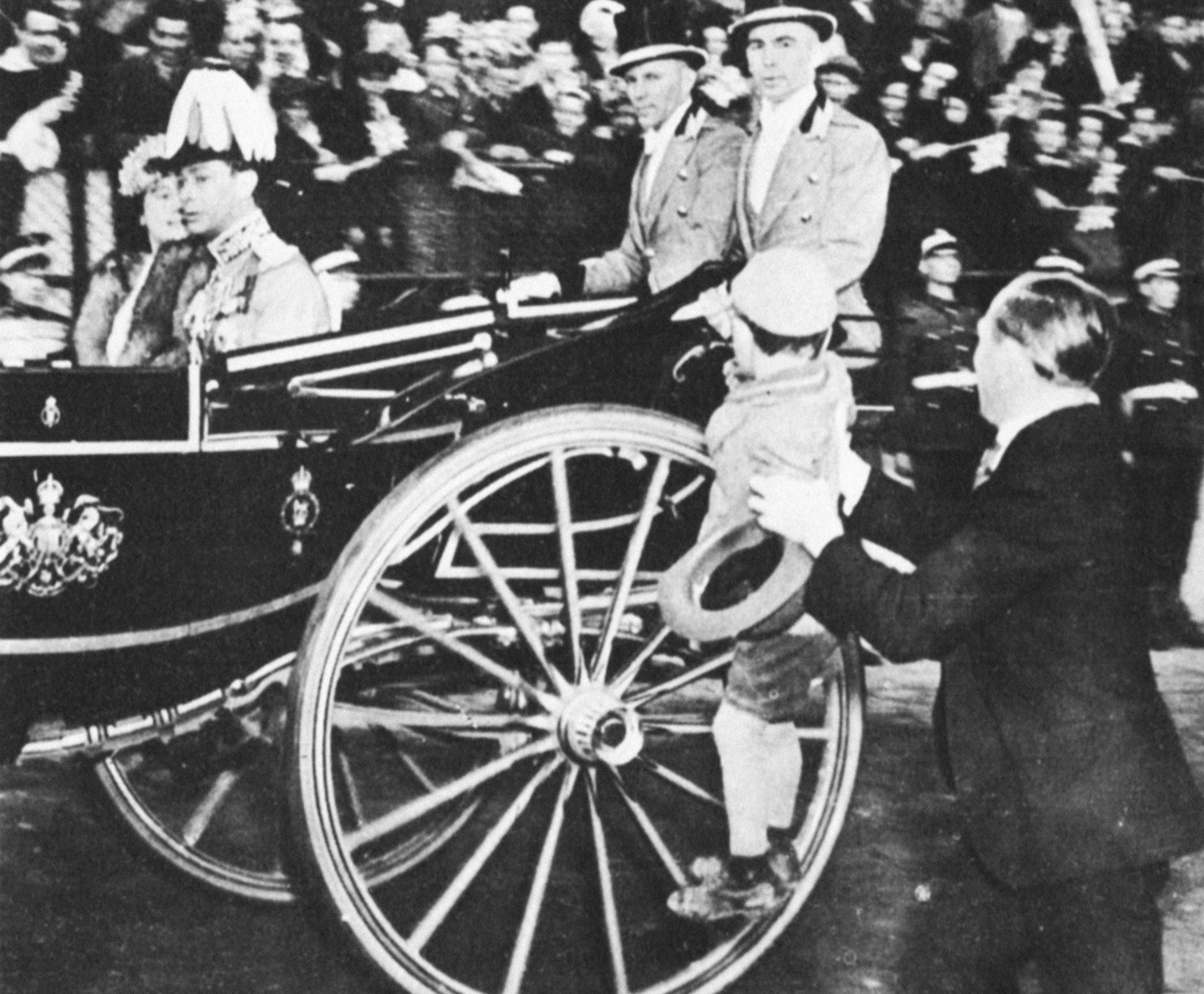
During a trip to Montreal and Quebec for the Queen’s visit in September 1964, I spent a week with Richard Dimbleby watching the entire coverage of the event by the Canadian Broadcasting Corporation. It was only his second visit to Canada since he’d covered the journey of the King and Queen in 1939. Throughout the week he contrasted the mood of the two Royal Tours: in 1964 it was one of danger and hostility; in 1939 the Royal Tour was in the warm glow of Empire, when the Monarchy represented a great power on the American continent. It was the stuff of boys’ magazines, when Toronto and Banff seemed as far as the Mountains of the Moon and when the coverage of distance itself was an adventure for the intrepid.
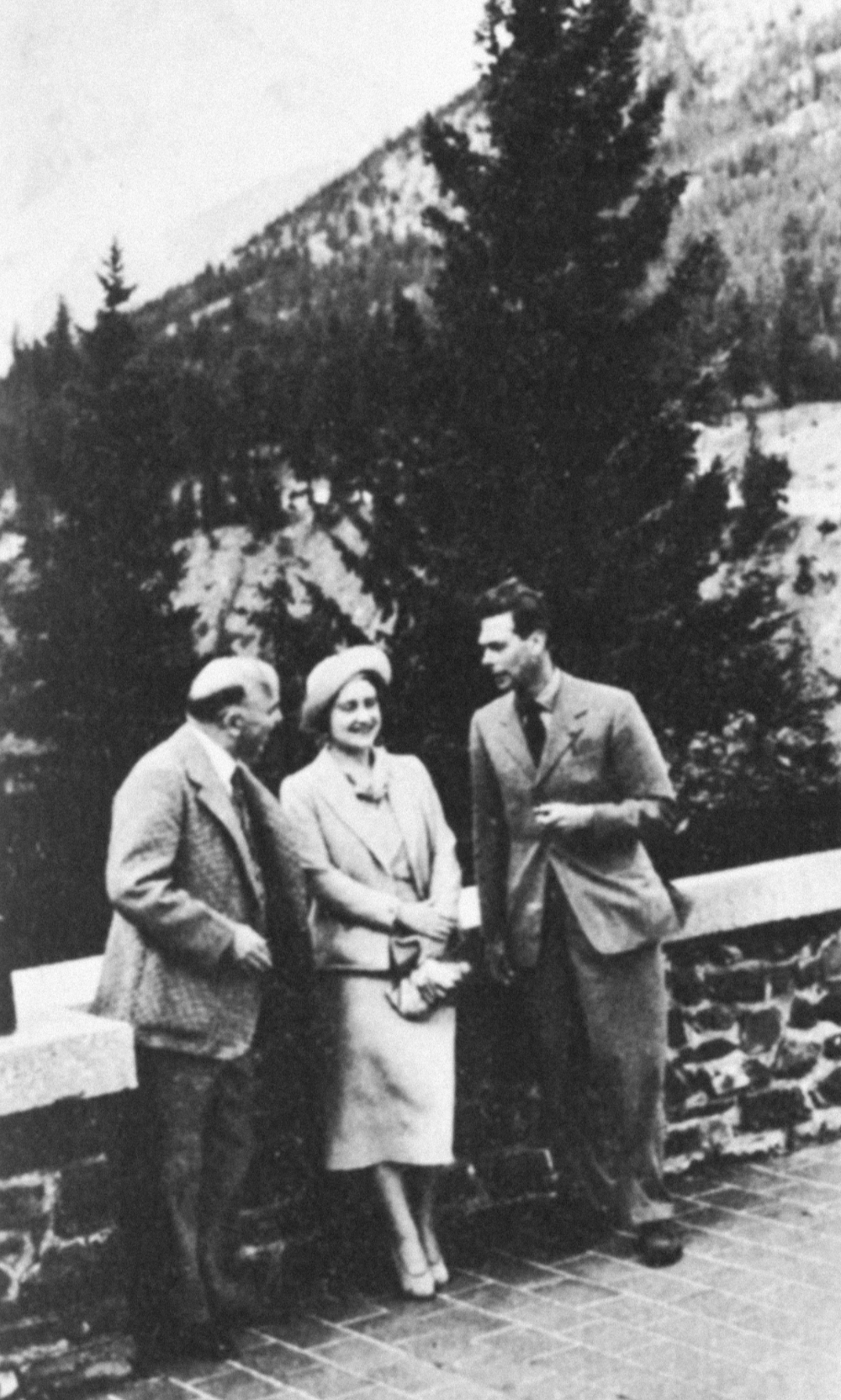
During a long lunch at the Chateau Frontenac in Quebec – long, because the food was good and the weather was fine – he told me of an evening in the Banff Springs Hotel with the pressmen and photographers covering the 1939 tour. King George VI and Queen Elizabeth had been with them in the earlier part of the evening, talking informally. But after they went the party continued and grew in volume of numbers and of sound, with Richard at the piano. As the day drew to 11 o’clock or so, the King appeared in the room and asked if they minded his rejoining them: this he did and the party continued with no change of mood or style. A contrast, said Dimbleby, to the Mounties stationed above the Café de Paris and at every rooftop and naked window in Quebec for the present tour.
After finishing lunch, Richard Dimbleby took me through the heavy security of the 1964 Press Office and headed unerringly for the trestle table with piles of red and blue books on it – each embossed with the royal standard. ‘The Book of the Tour’, he whispered. ‘Must get the one issued to the royal entourage: gives you everything – people on parade grounds, in processions, upstairs, downstairs, who the Queen is meeting, what time she starts on the lobster – it’s invaluable.’ He pocketed one, greeted every journalist he knew with the unique delight he reserved openly for everybody, and we left the hotel.
The flight to Quebec from Montreal was undertaken just for the day so that Richard Dimbleby could feel the atmosphere of this expected centre of French-Canadian hostility to the British Monarchy. He found the day totally rewarding because he was able to see the royal car, guarded by police and Mounties, on the quayside where the Queen would disembark the next day; because he was able to remind himself of how undramatic and essentially dull the Heights of Abraham are; because he discovered the names of the paintings in the Quebec Parliament Chamber, and experienced an overpowering smell of newly polished wood in the entrance hall of the Parliament building. And he saw the stunning colours of the Canadian Fall. But the smell was the important moment – and it emerged when he finally did his commentary to the edited film of the week’s tour. ‘When those pictures of her visit to the Quebec Parliament pop up,’ he said, ‘I shall be able to tell people at home exactly what was the most immediate sensation experienced by the Queen at that moment.’
On human stories Richard was Panorama‘s best reporter. His interest in people and places was such that he was seldom bored. Years and years of travel, often tedious and uncomfortable, had not blunted his enthusiasm for an interesting journey. He was the romantic Englishman, to whom a journey on the pre-war Orient Express would have been the highest heaven.
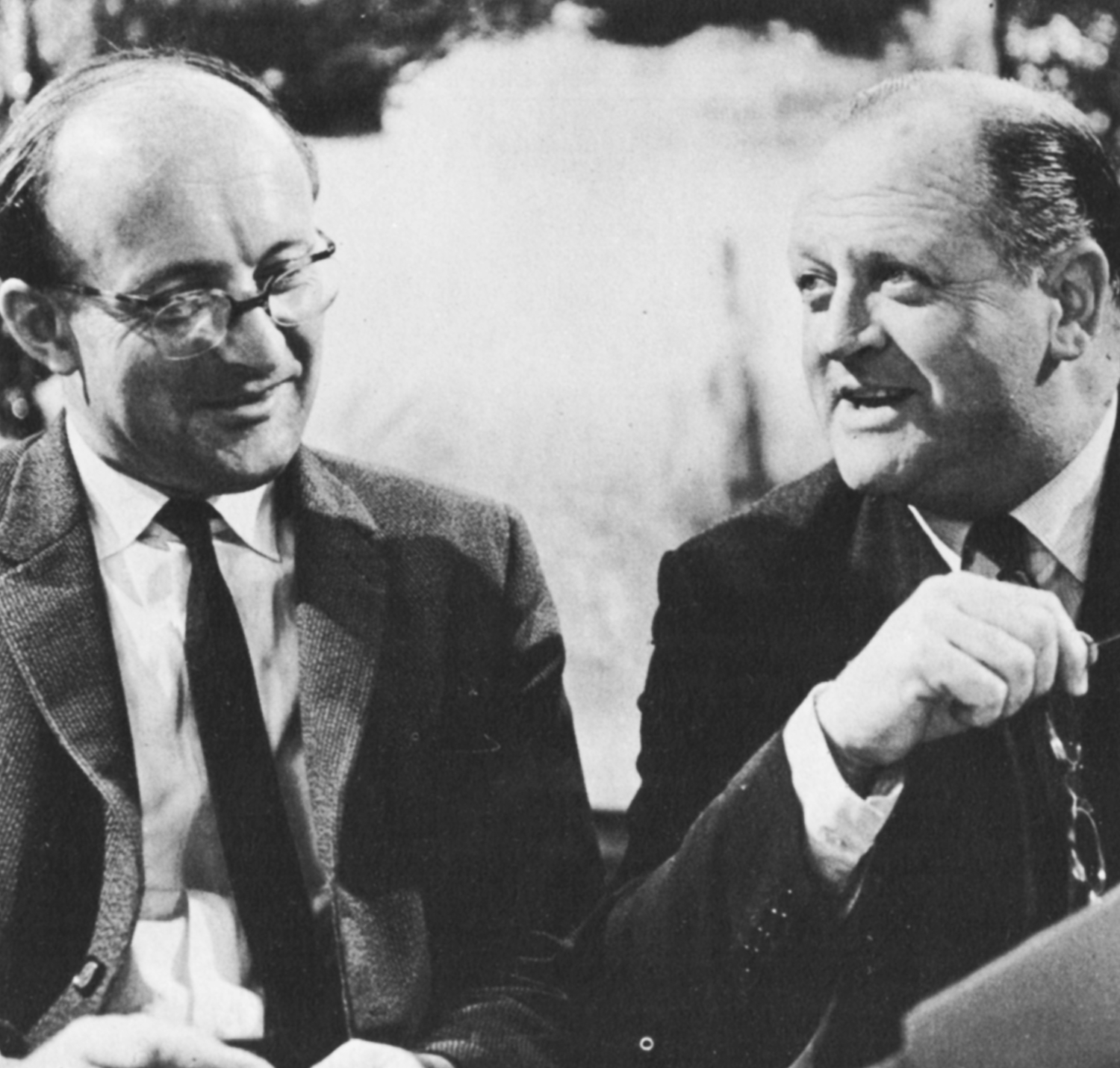
With David Wheeler
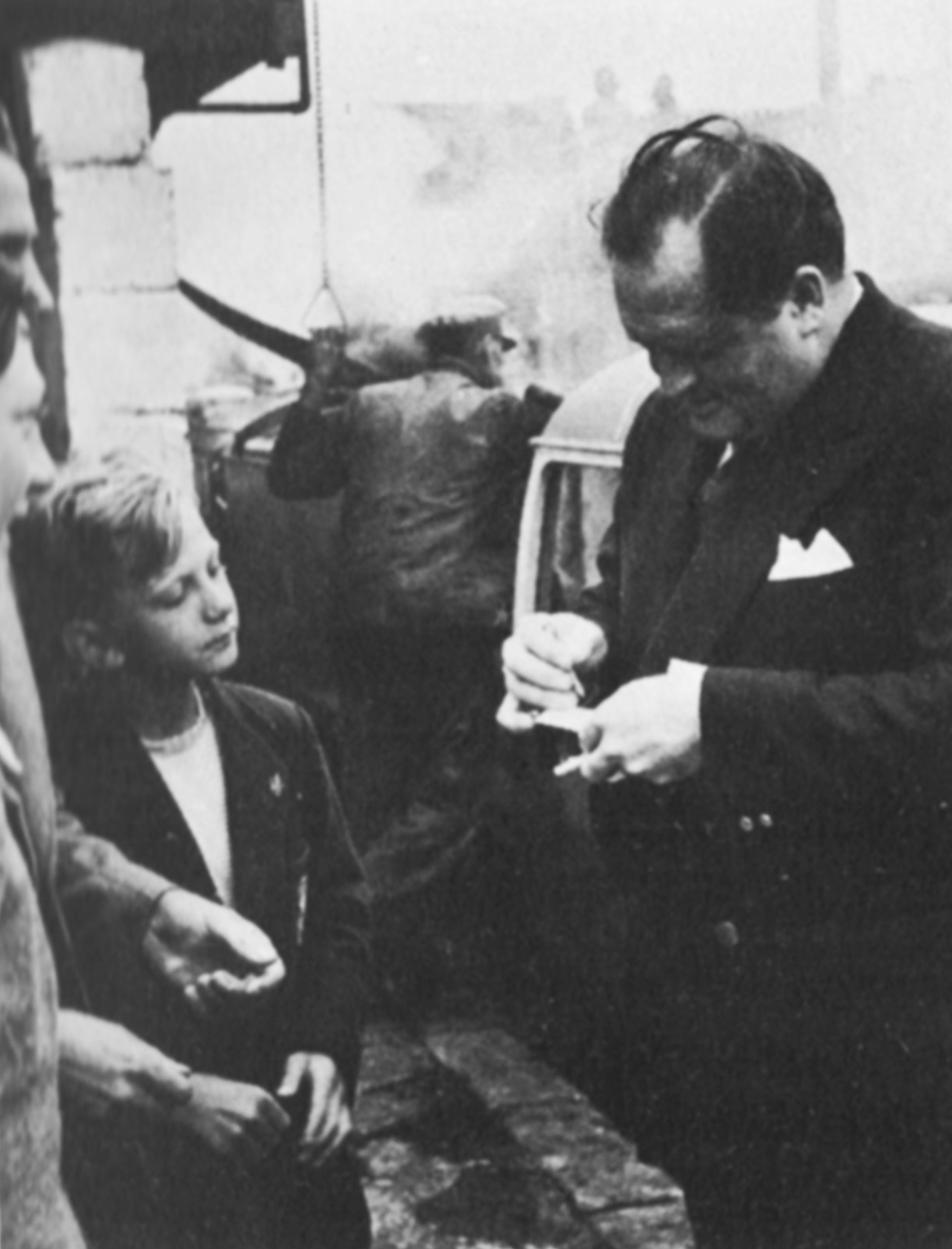
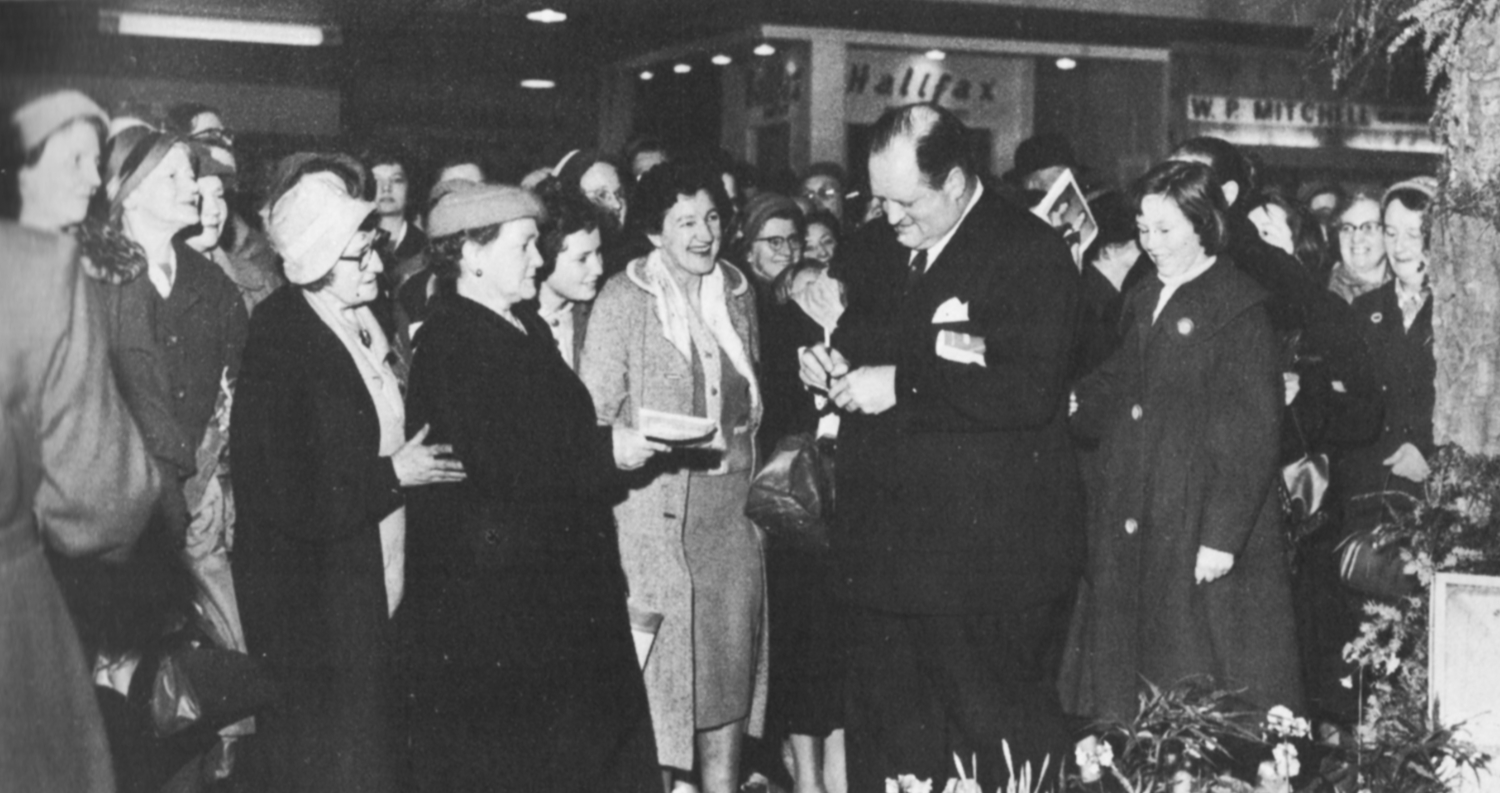
One of the pleasures of far-away places was the thought that very few people there would know him. There would be the rare pleasure of walking about the streets and not being recognised. The penalties of having the best-known face and figure in the country were very great. Autograph hunters lurked round every corner. Strangers came up in restaurants when you were having a quiet dinner after a tiring day. They made you stand up and shake their hand. People in cars did double-takes, then leaned out of windows and waved. Coach-loads of holidaymakers shouted ‘Yoo-hoo – good old Richard!’ It was tedious when it happened but, he would ruefully admit, worrying if it didn’t.
Thus in Paris, but never in London, he could occasionally indulge in a visit to the night clubs. But he was always faintly apprehensive of being spotted by some English tourist who would raise a loud, shocked cry of ‘Good heavens – it’s Dimbleby – here!’
The places where he could escape the consequences of fame grew steadily fewer. In the fifties he could go to New York and not be recognised. By 1965, the anonymity had been partly torn aside, thanks to Telstar and Early Bird. His face was familiar to millions of Americans. In Montreal, not a city where you would have expected him to be widely known, I walked with him along the main shopping street to murmurs of ‘Isn’t that Richard Dimbleby?’
Of course, it was his shape that made him instantly identifiable – the familiar rotundity of a man who was yet surprisingly light and nippy on his feet. His feelings about his shape were ambivalent. He accepted it as part of his public personality – ‘my trade-mark’ – but from time to time made strenuous efforts to diminish it. These were not completely successful. Away from home, in restaurants in Europe and North America, one watched the complex and losing inner struggle that took place whenever the waiter offered a particularly delicious (but definitely non-slimming) gateau or creamy concoction.
As a thorough-going romantic, he had a passion for casinos. I don’t believe he ever won or lost what real gamblers would call real money. It was the atmosphere that drew him. Any itinerary which took him to the Mediterranean would be carefully examined to see if it offered the possibility of a quick diversion to Monte Carlo. Frequently it did.
One recent New Year’s Eve found us in Beirut. The Lebanese capital now has a splendid casino, some way out of town. After dinner I was persuaded to take a taxi out with him, sit through a glittering cabaret and then accompany him to the business end of the casino. After a losing streak, he won enough to pay for the entire evening’s entertainment and still show a pleasant profit. It was a proud moment. We got back to our hotel at 3 a.m., two hours before an early call to fly to Jordan for the Pope’s visit to Jerusalem.
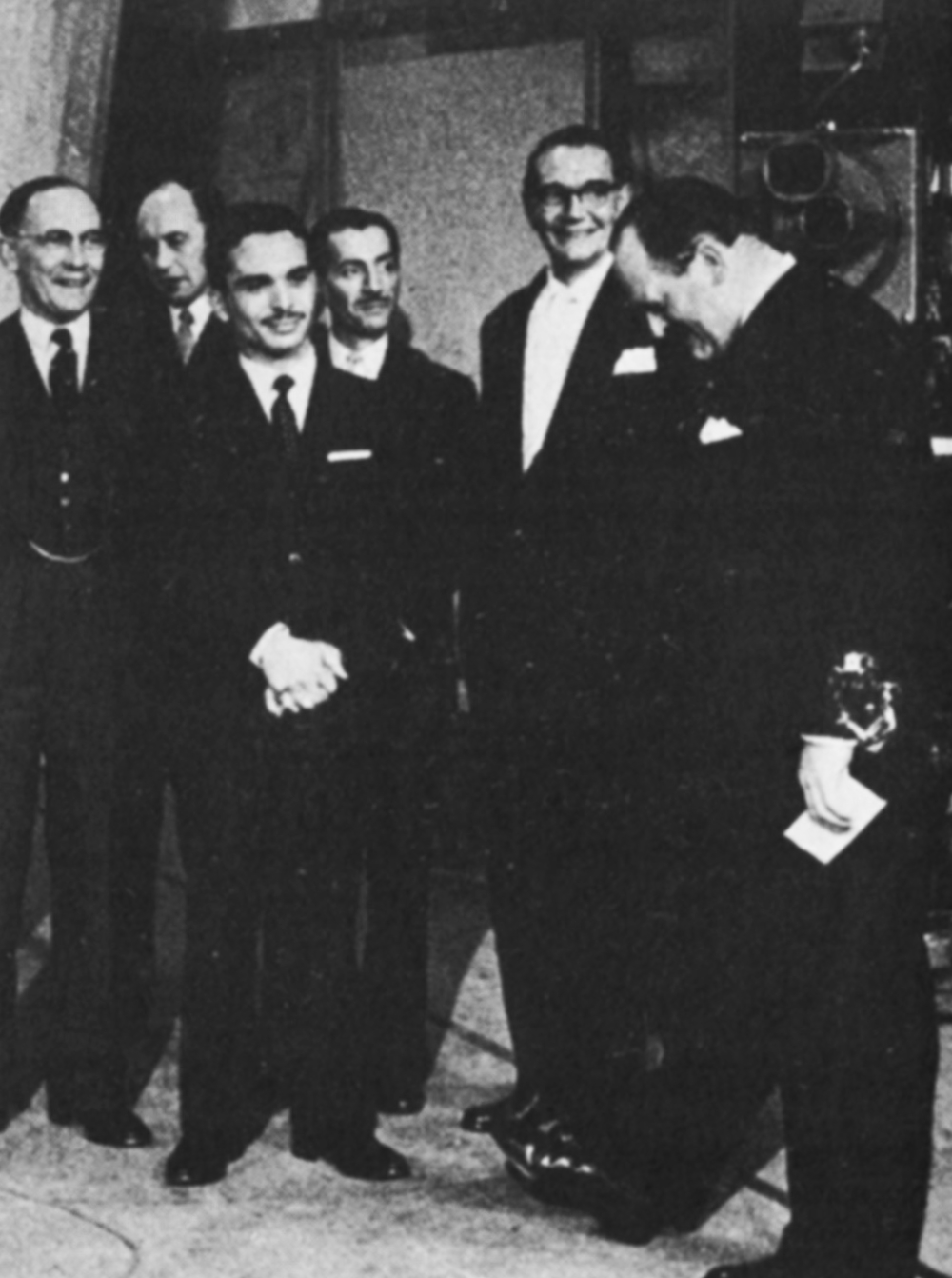
King Hussein visits Panorama: Sir Ian Jacob (Director-General), Leonard Miall (Head of Television Talks), King Hussein, Abdul Monen Rifai (Jordanian Chief of National Guidance), [now Sir] Gerald Beadle (Director of Television), 20 April 1959
In Jerusalem we met an old friend of his and the programme, King Hussein. The King has appeared many times on Panorama. Once, at the height of a Middle East crisis, he was telephoned in Amman by the Panorama studio in London. The King himself came on the line with a ringing, ‘Hullo, Richard!’ Now, in Jerusalem, he shouted, ‘Richard! How wonderful to see you here!’ and escorted us to a superb lunch of Arab food.
It was inevitably ‘Richard’ wherever he went, to kings and commoners. In New York, a couple of tough Manhattan cops, driving us around town for a film story on crime, may have started out wondering if the plump Englishman on the back seat of their squad car wasn’t some kind of stuffed-shirt and so moderated their language accordingly. Within an hour or so, ‘Dicks’ and ‘Daves’ were flowing freely and the air inside the car was blue with the sort of story television vigilantes have nightmares about. U.S. and U.K. had formed a special relationship.
He had many stories to tell, as befitted a man to whom so much had happened. There was the bizarre experience of the servant at his house who one evening went berserk and chased him with a carving knife. Richard finally knocked the man out, with a straight right to the chin. ‘Of course, he had to go. I saw him again months later. My car was stopped in a traffic jam, not far from Whitehall, and I caught sight of him, on foot. He saw me and came across. He seemed in good form and quite well turned out. I asked him what he was doing now and he said, “I’ve got quite a good job, sir. I’m a messenger with the War Office.” I looked down at his briefcase and there it was, OHMS. He was carrying official secrets all over London.’
Unnerving experiences on the air figured largely. There was the outside broadcast from the shopping streets of Paris with a French television unit. In the full flow of a live commentary, he realised the point had been reached where he should be seen in vision, walking up the street. But there was no camera for him to talk to.
‘There wasn’t a single camera in sight – until suddenly one shot round the corner. It was being pushed along by a horde of shouting, gesticulating Frenchmen. It went right past me at a rate of knots and disappeared into the distance. As it went by the cameraman screamed at me, “Ils sont fous, monsieur! Complètement fous!”’
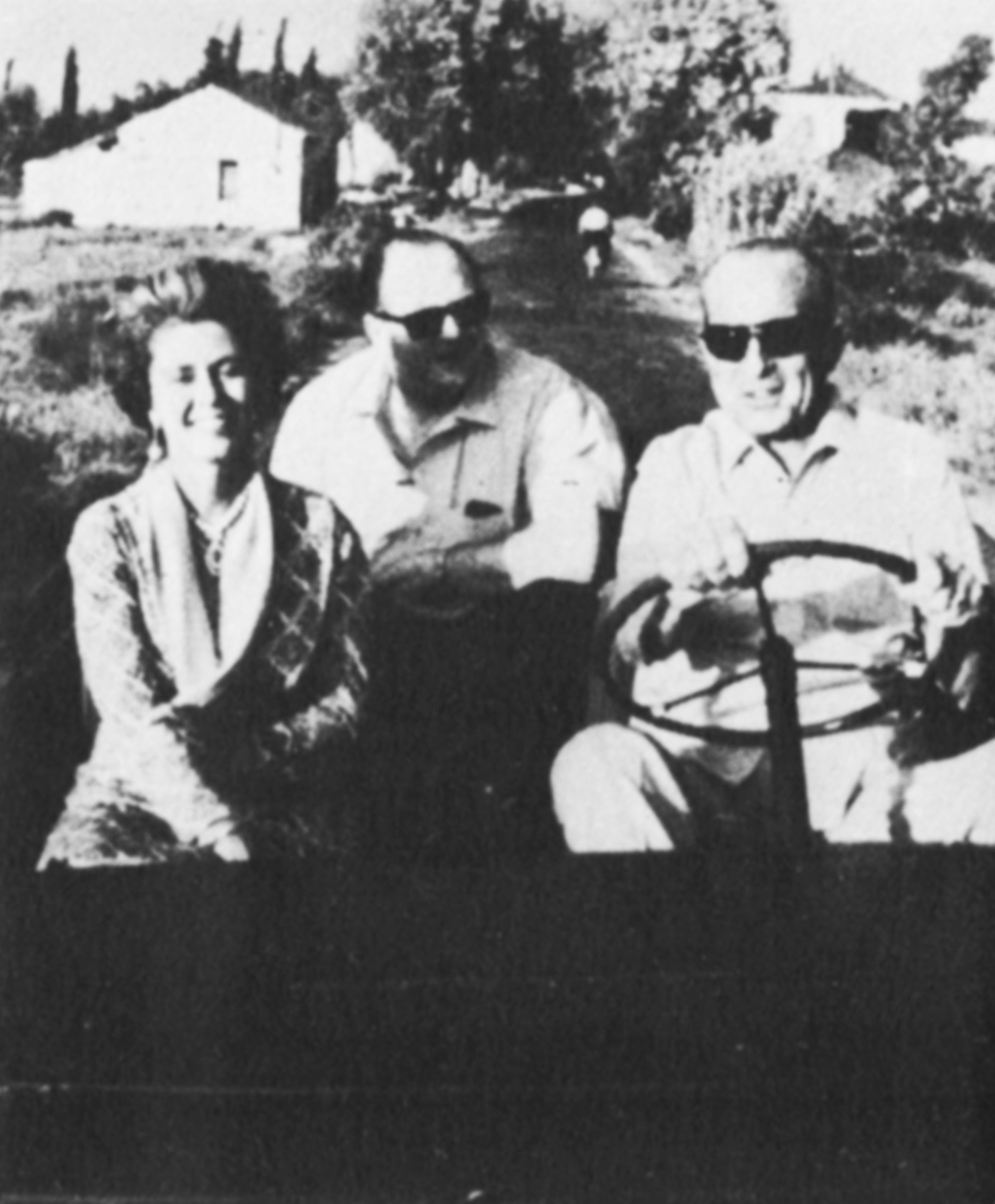
With King Paul and Queen Frederika of Greece, Corfu, July 1963
He hated incompetent and amateurish producers but remembered with affection another outside broadcast. This came from a London food factory. During rehearsal, the producer had got himself into a complicated tangle with his cameras. To resolve it, he created an artificial corridor by draping a long curtain behind the area where most of the action in the programme was to take place. This, he hoped, would enable him to move his cameras up and down, from one end of the factory to the other, without being seen in vision.
‘All went well on the air, until I heard him say, “Camera One, move across now.” A second or so later, “Camera Two, on your way now.”
‘Unfortunately he’d forgotten they were moving from opposite directions. They tore along behind the drape. They met head-on. The most almighty crash you ever heard!’
The commentator carried on. He always did. His massive reassurance communicated itself off the screen almost as much as on. During a flight to Athens, on his way to interview the Greek King and Queen in Corfu, his aircraft ran into tremendous turbulence. There was a crack that sounded rather like the end of the world. The plane began to heave all over the sky. After a little while the captain said they would be turning back to London.
Among the passengers was a group of Greek Orthodox priests. They looked, according to another member of the Panorama party, very anxious indeed. The men of God sweated for some minutes. Then one of them, recognising him, said, ‘Ah, Meester Deemblebee! Please tell us it will be all right.’