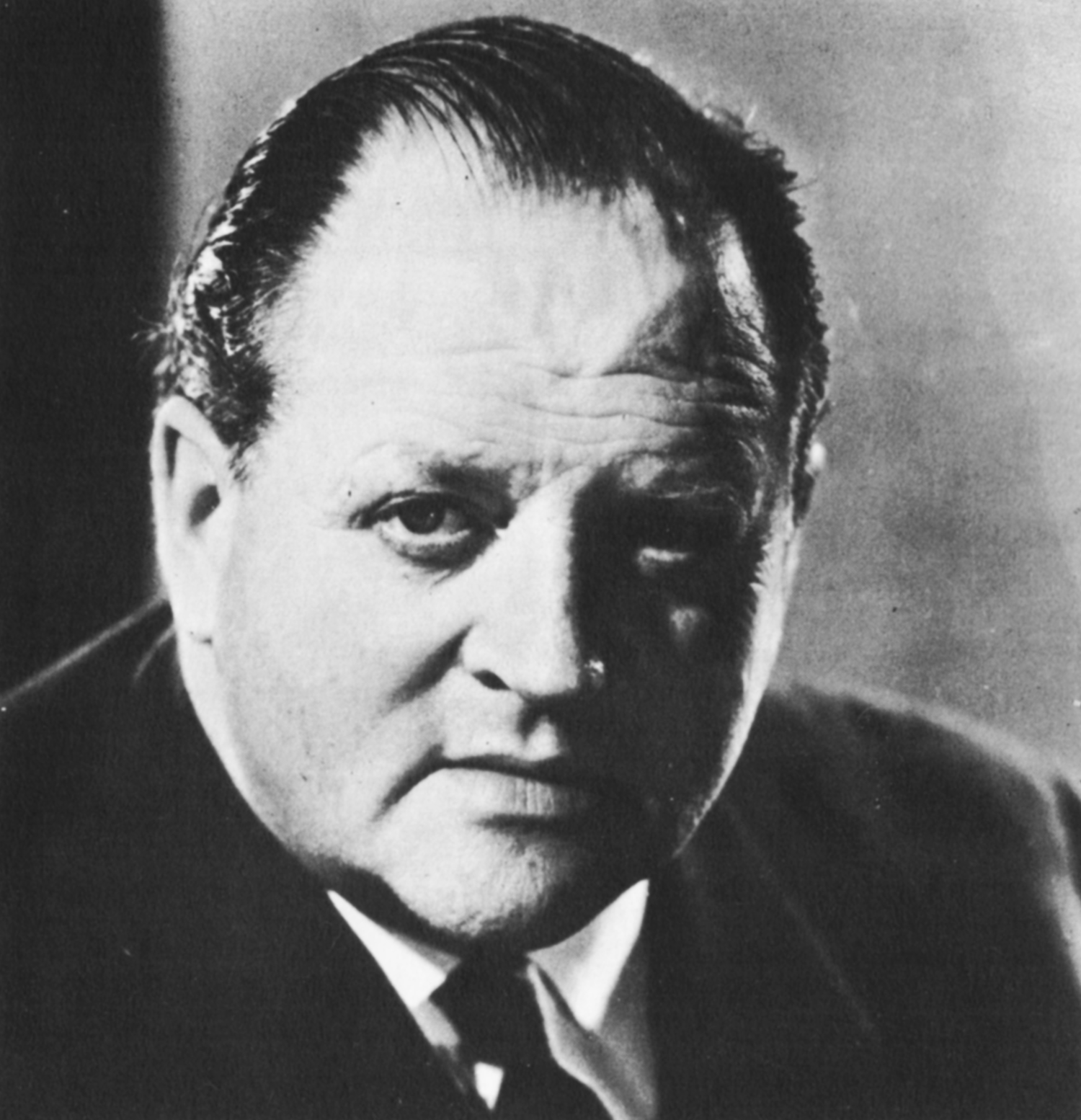
 Under his uncle, Richard Dimbleby became the editorial director of the family newspapers. Eventually, with his mother’s co-operation, he bought out Percy Dimbleby’s interest and acquired the sole control of them. Besides the family papers, as a freelance he had the additional cushion of a three-year contract from Sir Alexander Korda to write films, though no film scripts were in fact asked for. But in the first instance his resignation from the BBC staff was a gamble. Television, closed for the duration of the war, had not yet reopened. Dimbleby’s freelance broadcasting life started modestly with some schools book programmes and a regular newsletter to North America, but very soon developed.
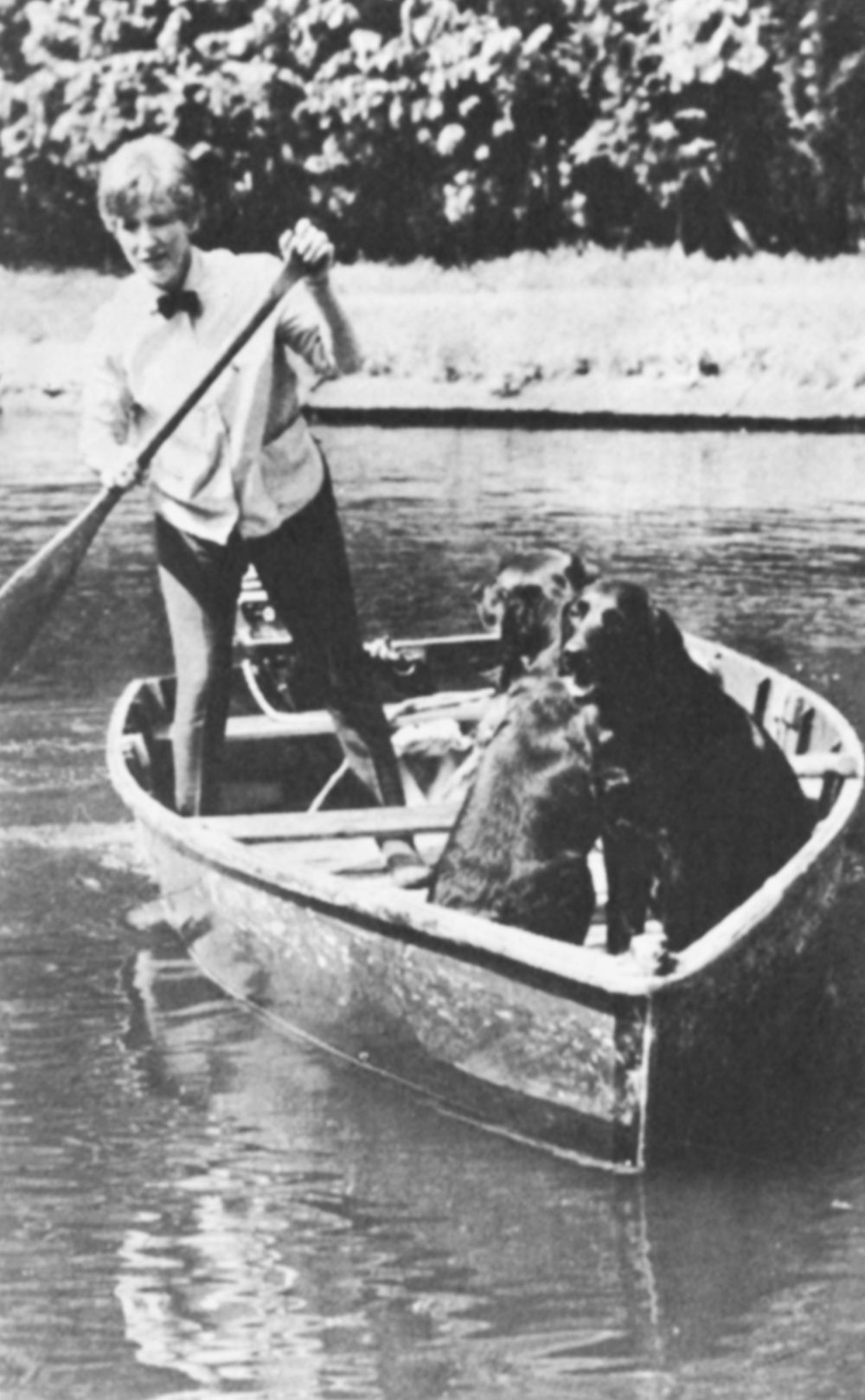
He was greatly sustained then, as ever, by his most fortunate marriage. Dilys Dimbleby, as a journalist herself, understood the demands of his career, and from the day of their wedding in 1937 was a constant source of professional help and advice. She was also the only critic he trusted. She took over the management of all his professional affairs. She arranged his contracts, organised his diary, and negotiated his fees. On many occasions she also accompanied him on work both in England and abroad, not only acting as a hostess for him, but sitting beside him during commentaries, organising his notes, passing him messages. In the early days of State commentaries Richard used to get letters from women viewers grumbling that his descriptions of the Queen’s clothes were hopelessly inadequate. From then on, whenever possible, Dilys was there to jot down accurately – ‘pale blue tulle’ instead of ‘a sort of light blue cotton’.
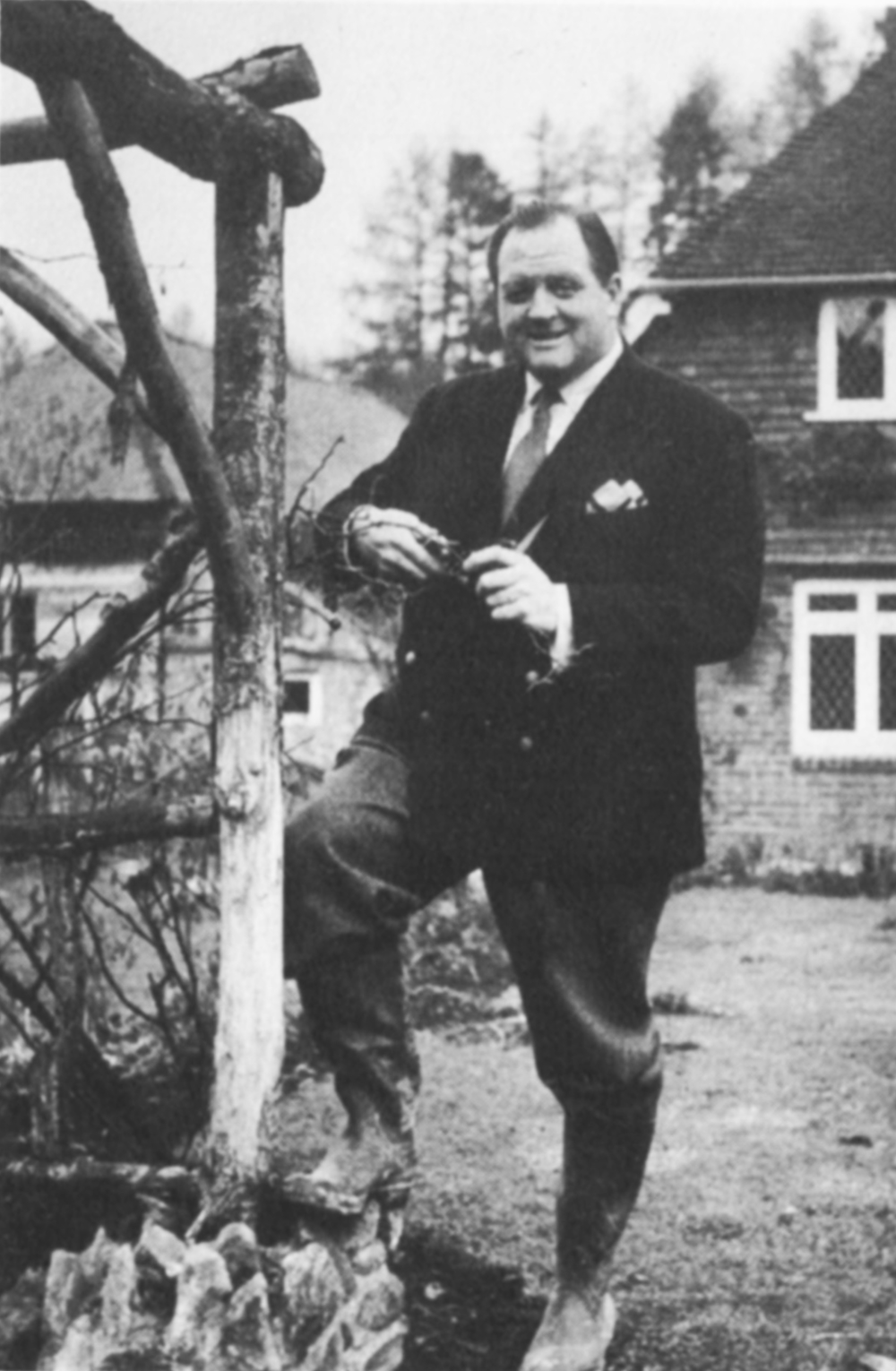
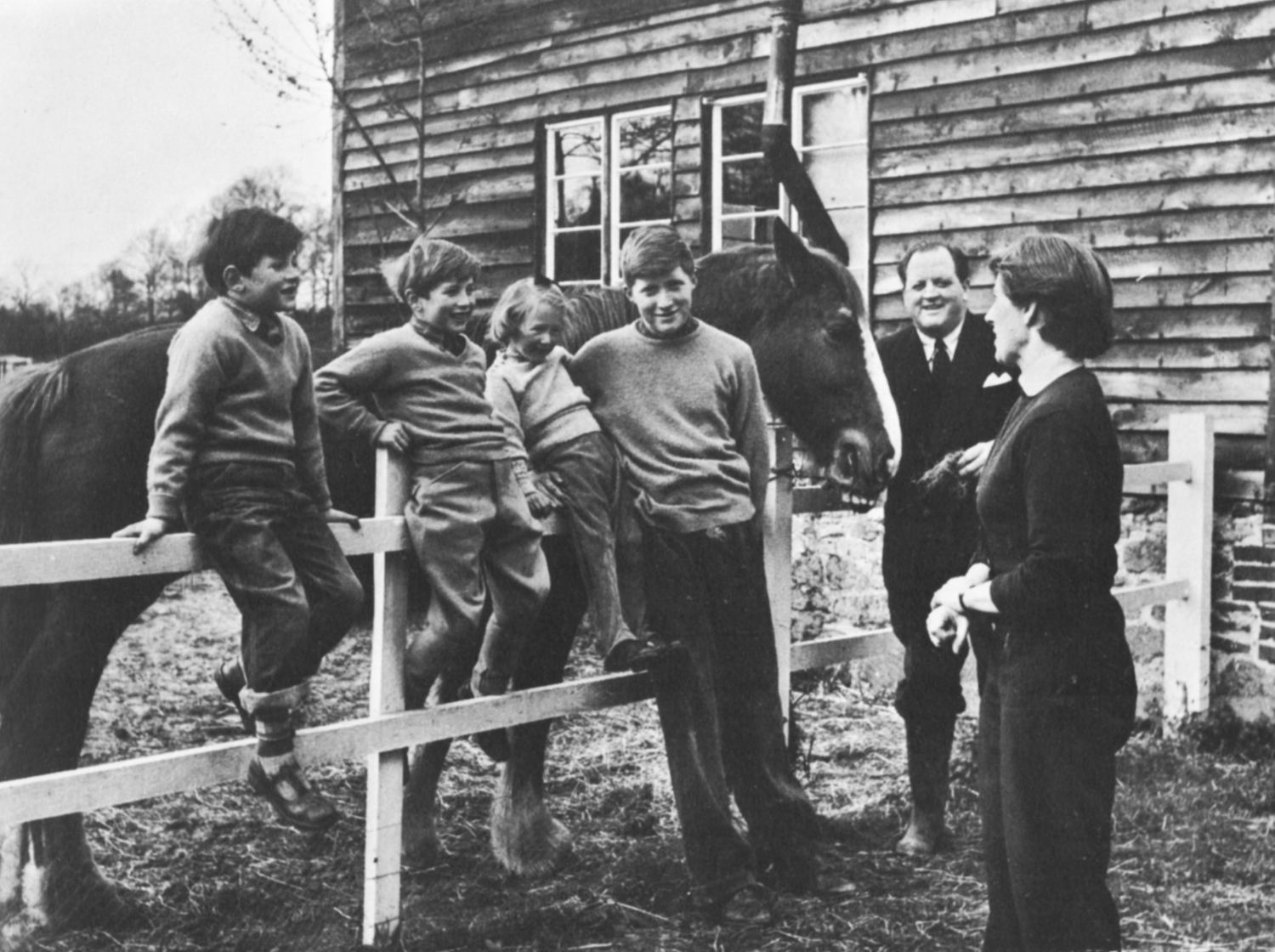
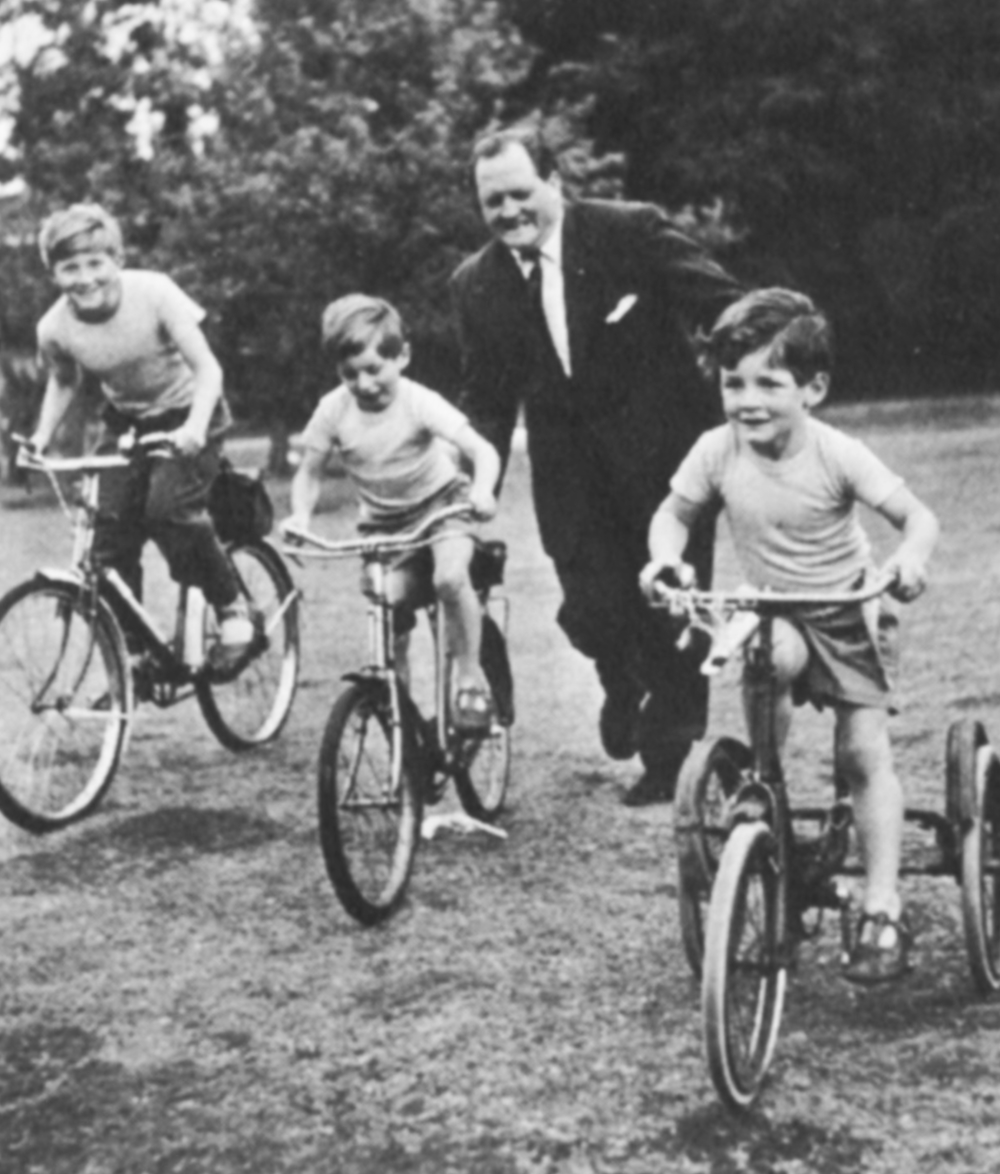
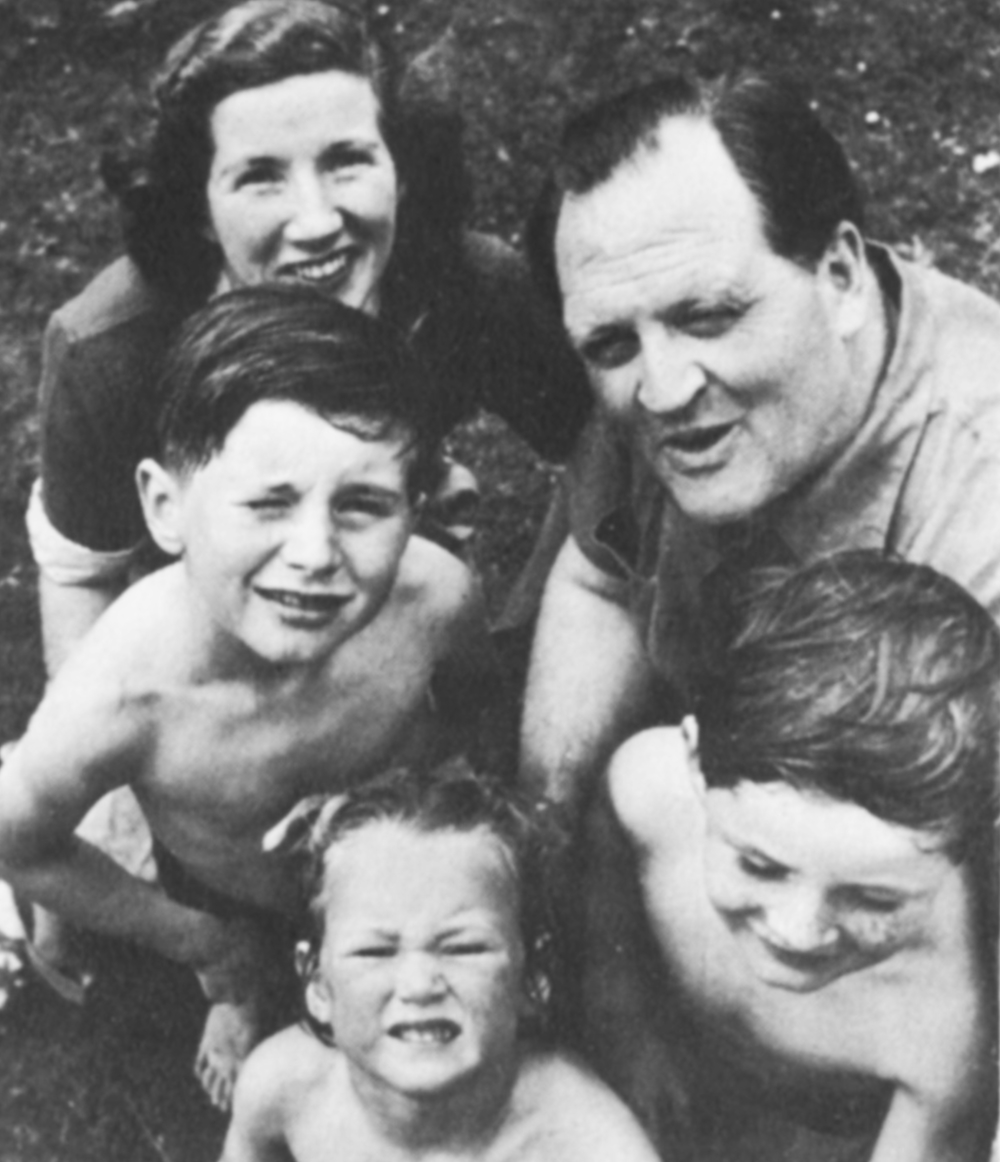
They had in all four children, David (1938), Jonathan (1944), Nicholas (1946) and Sally (1947), and their family life was singularly happy. His secretarial work was done by his sister Patricia (Mrs John Haines) who spent two days a week at his house acting as his personal assistant. As Richard prospered he added to his roles of broadcaster, writer and newspaper proprietor those of chairman of Puritan Films and Film Partnerships, chairman of the Commonwealth Group of Unit Trusts, and farmer. In all these enterprises Dilys was his active partner. She appeared with him, and the rest of the family, in films they made to demonstrate the merits of different holiday places at home and abroad, and she sometimes appeared in the television studio herself.
In July 1996 Panorama included a discussion based on the book ‘Getting Married’ published by the British Medical Association. In the studio Richard interviewed a doctor, and then an engaged couple. Finally he interviewed an anonymous witness:
Dimbleby: Now, one more opinion before we finish, that of a woman who has been happily married for nineteen years and has four children. You may perhaps some of you know her. I’d like to ask you if you’d give us your opinion now whether you think anything has been left out that should have gone in.
Married Woman: Well, I think the only thing that has been left out is something that really couldn’t go in any book, and that’s the question of the heart; I mean what is in your own heart really governs the whole of marriage, and I think that that you couldn’t put in. But I think where the book fails, and fails dismally, is that it doesn’t make a reality of marriage. It’s rather suggested that if you follow the rules laid down, and if you follow the pattern set by the writers, all will go well and everything will be blissful. I think that’s nonsense and I think it would be awfully dull if marriage was like that.
He then revealed the identity of his guest:
Dimbleby: Well, thank you very much. May I say that the last witness and I have been very happily married for nineteen years.
It was in the last five years of Richard’s life, when he was suffering from cancer, that Dilys played her noblest role. During that time she was a constant support and encouragement to him and her determination and sagacity played an immeasurable part in his insistence in carrying on his broadcasting work as though nothing had happened. Throughout those five years she alone knew of all the pain and the depression that he suffered. She bore the burden of his illness with him and shared his public cheerfulness. In the last three months of his life Dilys was constantly with him, often staying the night at the hospital and always there eighteen hours a day, helping to nurse him, encouraging him, and talking to him about plans for the future. She was a wife he deserved.