Twenty Questions

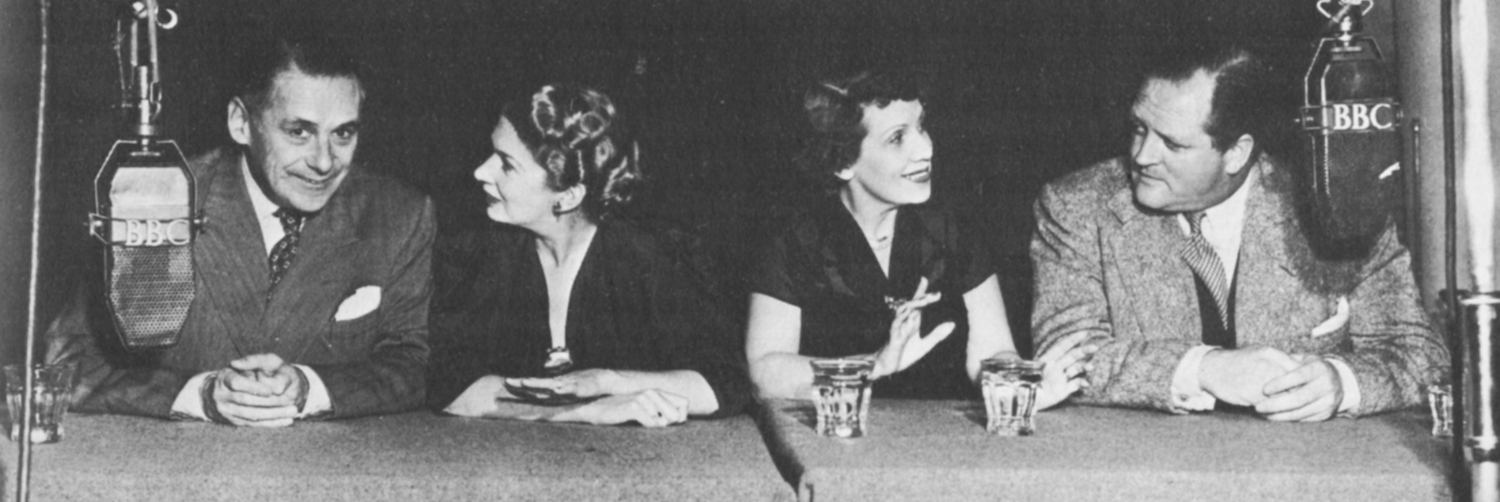
Four people behind a desk, sharing two BBC microphones
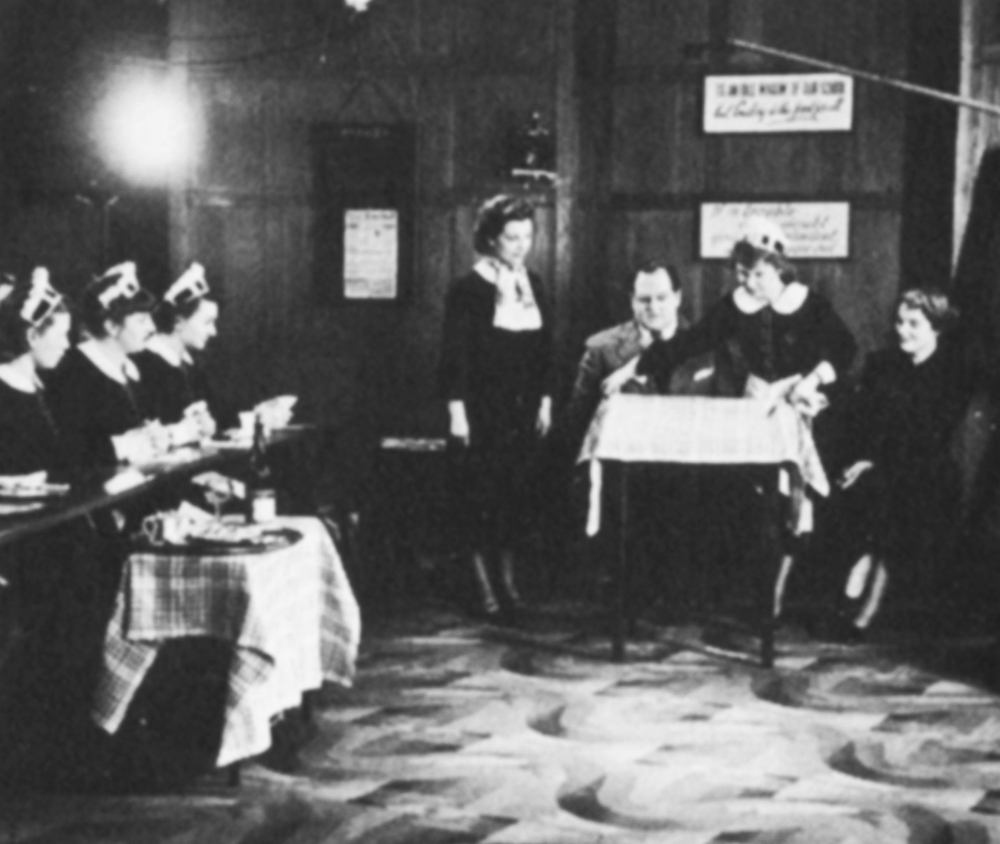
The 200th edition of Twenty Questions with Jack Train, Joy Adamson and Anona Winn

Richard Dimbleby’s other great radio programme was Twenty Questions, a game in which he could use his very quick intelligence to amuse a huge mass audience. He always recognised that broadcasts must be entertaining and he never lost his flair for showmanship. He stayed on Twenty Questions for eighteen years, with Gilbert Harding and then Kenneth Horne as chairmen, and Anona Winn, Joy Adamson and Jack Train as the other regular members of the team. Mike Meehan, for long the producer of Twenty Questions, recalls:

I remember one evening, while we waited for the programme to start, Jack Train, a past master in story telling, turned to Richard and said, ‘I don’t know whether I’ve told you this one before.’ ‘Is it funny?’ asked Richard. ‘Yes,’ replied Jack. “Then,’ retorted Richard, ‘I haven’t heard it!’

During one programme, when the chairman was the late Gilbert Harding, Richard sat quietly, while the other members of the team talked over one another in trying to ‘find’ the object. Gilbert, annoyed by their chatter, called a halt, turned to Richard and said, ‘You’re very quiet, Richard.’ ‘Yes,’ replied Richard, ‘I’m just waiting for the others to wear themselves out.’

Once when we were discussing the different ways the team members played Twenty Questions, Anona Winn confessed to hating ‘abstracts’ because, she said, ‘I have a photographic mind, and like to snatch a clue that flashes a picture of something tangible in my mind’s eye.’ Later that evening her ‘solo’ was ‘The missing arms of Venus’. She, as usual in her solos, got it eventually. Richard promptly asked, ‘Well, what did your mind’s eye see then? Venus or her arms?’

And Anona Winn herself adds:

I remember the evening when Richard’s ‘solo’ was ‘a weighing machine’. I think he had an idea of this, early in his questioning, but he went on in a mischievous vein with: ‘Is it used by men and women?’ ‘Is it publicly owned as well as privately?’ ‘Does one pay to use it?’ ‘How much?’

When the answer to his last question turned out to be ‘a penny’, Richard sighed an enormous sad sigh and said, ‘Ah well, I’ve enjoyed the years I’ve had with the BBC.’

It got an enormous laugh from the audience, who had been rocking all through the questioning.

Kenneth Horne writes:

We all had tremendous admiration for him. He was unselfish to a degree, especially in the actual game of Twenty Questions. But what impressed me was the fact that he never tried to show anyone up. Many a time I have given an answer which he knew to be wrong, but he thought it a poor show to correct ‘The Chairman’.

During the three or four years that we knew he was ill (he told us), he always appeared in the best of spirits, and indeed he looked well too.

Never pompous – never.

Norman Hackforth, for many years the ‘Mystery Voice’ of Twenty Questions, became one of Richard Dimbleby’s closest friends, and took his place in the team for the 1965 series. He recalls an incident which had nothing to do with the panel game:

In January 1955 I was in Jamaica, playing an engagement at a hotel on the north shore. My wife was at that moment on the high seas, on a small banana boat on her way to join me.

At 7 o’clock one morning my telephone rang, and a voice asked if I would be ready at eight o’clock to take a call from London from Mr Richard Dimbleby.

I told them I would, and then proceeded to work myself into a fever of anxiety, wondering why on earth Richard should be telephoning me all the way from London. By 7.30 I was firmly convinced that something ghastly had happened to Pamela, and that Richard, my loyal friend, had said: ‘Leave it to me. I will break the news to him.’ The minutes dragged by and at last, at nearly 8.15, the phone rang again.

‘Hackett?’ a cheerful and familiar voice enquired, ‘this is Dimbleby.’ ‘Yes, Dick,’ I replied. ‘What has happened? Where are you?’ ‘Oh, I’m at London Airport, covering the departure of Princess Margaret to Jamaica, for television. I just thought it would be a good idea to find out from you how the weather is there.’

I looked out of the window, and burst out laughing. ‘If you really want to know,’ I said, ‘it’s – hissing with rain!’ And it was, too!

Just another instance of the master’s passion for authentic detail.
 

Alongside Twenty Questions and Down Your Way Dimbleby was doing more and more work for the expanding television service. He turned his versatile hand to all kinds of broadcasts commentaries on the Lord Mayor’s Show and the Boat Race, ‘Other People’s Jobs’, visits to the Zoo and to many other parts of ‘London Town’ or places ‘About Britain’. Those were the days before either a daily television news service or Panorama.
London Town … About Britain … About Europe

I first met Richard in 1951. We were both going to the Festival of Britain, I for the BBC’s Picture Page, he for another television programme. I had lost my BBC staff pass. Richard said, ‘Find some piece of paper and wave it about’. I happened to have been working on papers about the Great Exhibition of 1851 and had in my pocket an entry pass to that exhibition of a century before. Following Richard’s advice I shoved it in my wallet and used it for several days to enter the Festival with no one noticing.

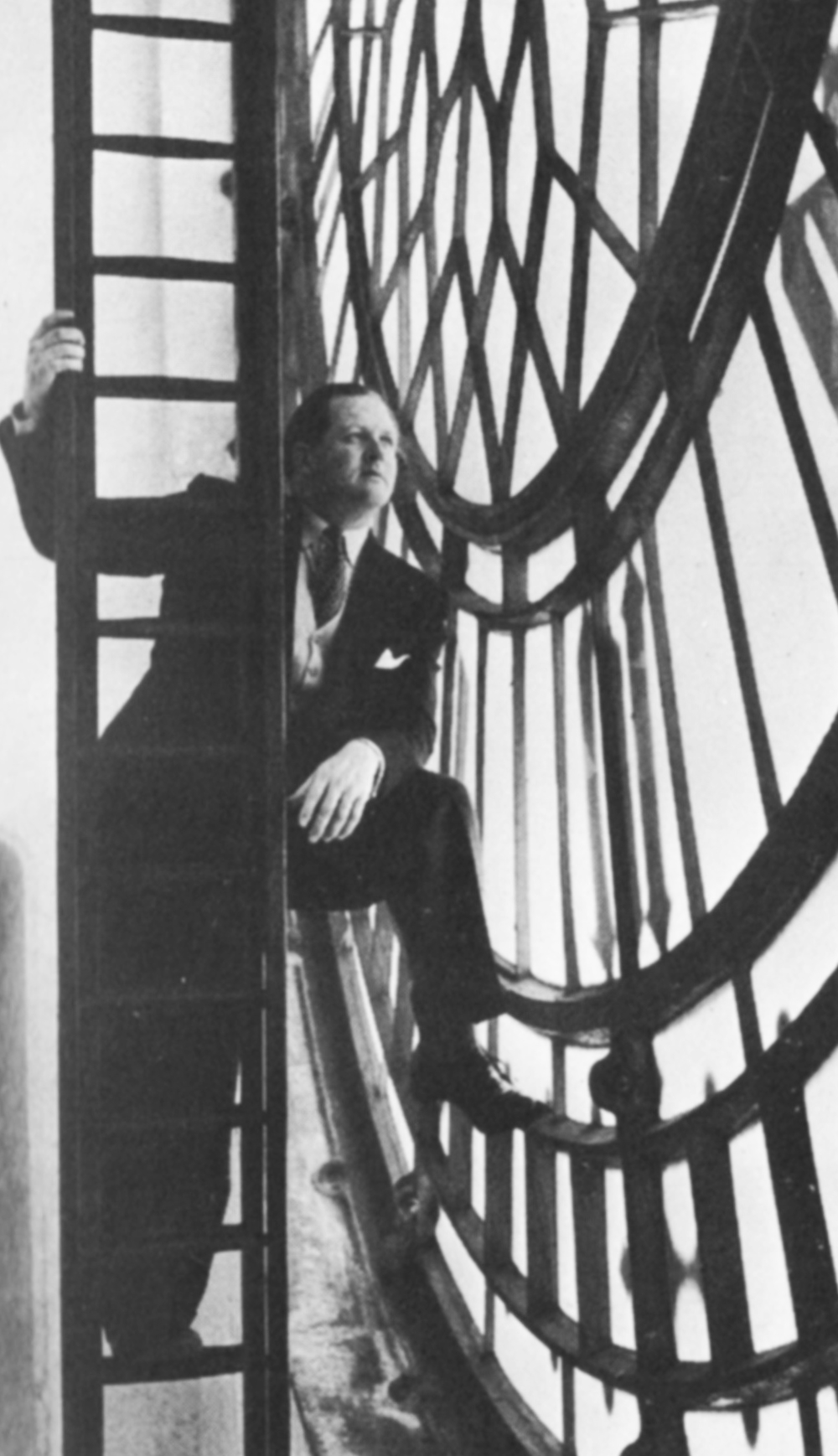
Dimbleby behind the clock face of what is popularly known as "Big Ben"

Shortly afterwards, Stephen McCormack enlisted me to join George Moresby White as co-writer of London Town, already a top rating 45-minute television magazine about the world’s greatest city.

The mercurial McCormack, loyalist, royalist, empiricist, humorist, was the ideal mentor, foil and friend for the incredibly busy Dimbleby, who was juggling his diary with Down Your Way, Twenty Questions and much more.

London Town was, in the best of all possible senses, the product of a team – Richard Dimbleby himself, a producer studio director, a film director, two writers, and a production secretary. Looking back, and when I consider how technically difficult it was (at the time), it now amazes me how much one has to pay these days for sledge-hammers to crack peanuts. Richard earned peanuts for what he did, and so, in fact, did we. No matter: it was tremendous fun. Richard always treated us as professionals, and so did Stephen McCormack, and in this way we learned our trade.

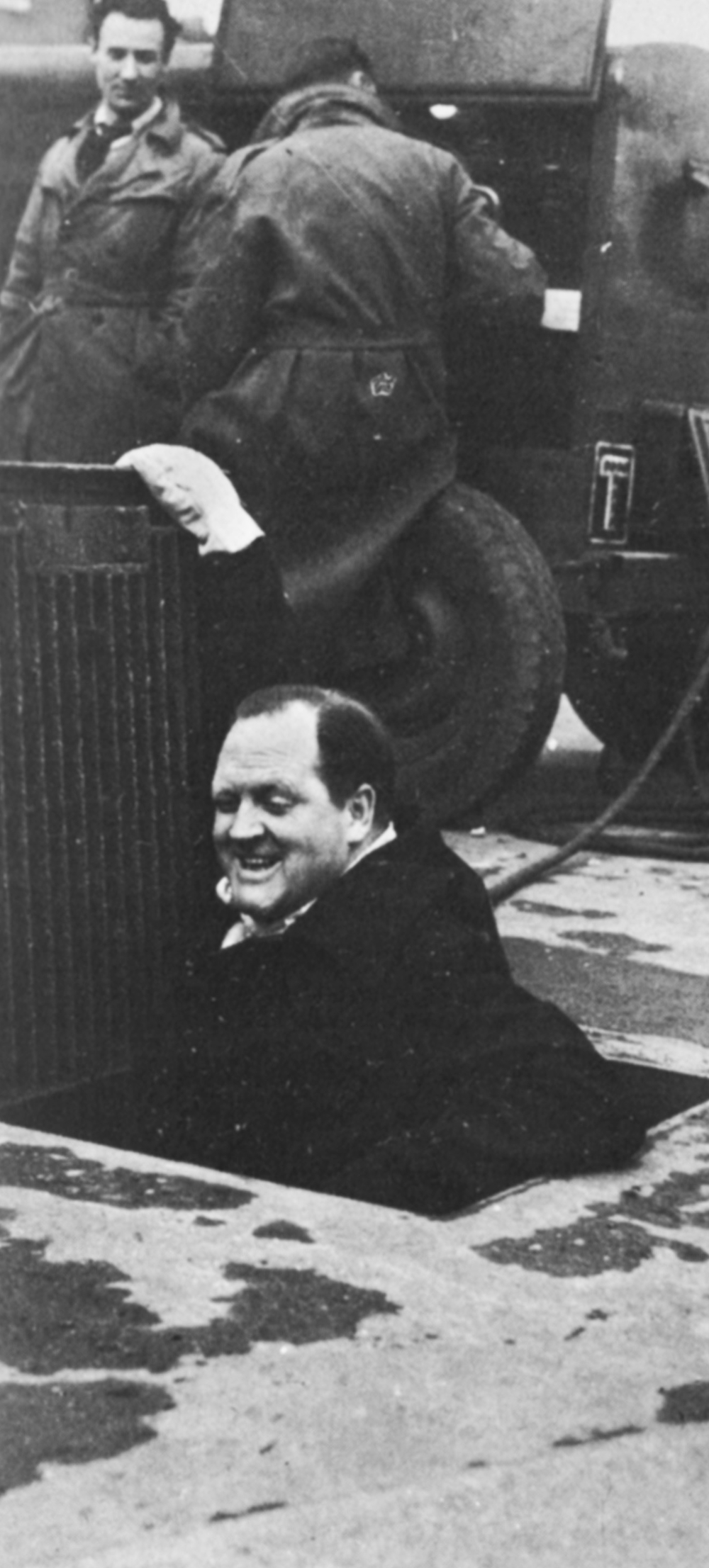
Dimbleby pops up from a manhole

The areas we covered together were enormous. I imagine some people remember London Town, with its four or five items, covering such diversities as Lloyd’s, the College of Arms, the sewers, the dustmen, Greenwich and Of Alley (that oddly named street called after the Duke of Buckingham), Smithfield and Billingsgate, St Bride’s and the Tower of London. The brief was to produce a programme about London which would interest the London audience. There was no great social content. We didn’t knock anyone; we merely tried to find out how they ticked.

In time, and as BBC television network away from London expanded, London Town became About Britain.

Stephen Hearst joined me as co-writer for Richard and we went through the team process all over the country. Later we wrote for him in Malta and Vienna before the team broke up.

The machinery was this. McCormack would come with us on reconnaissance to a given area – Wales, Skye, Edinburgh, Cornwall, Ulster. In co-operation with the BBC Sound experts we would construct a script. This started as a film shooting-script, which was handed over to John Rhodes. Whilst Rhodes was filming McCormack and Dimbleby on the spot, Hearst and I would be working up the studio sequences. The machinery was such that filmed shots could be matched with studio sets on back projection.

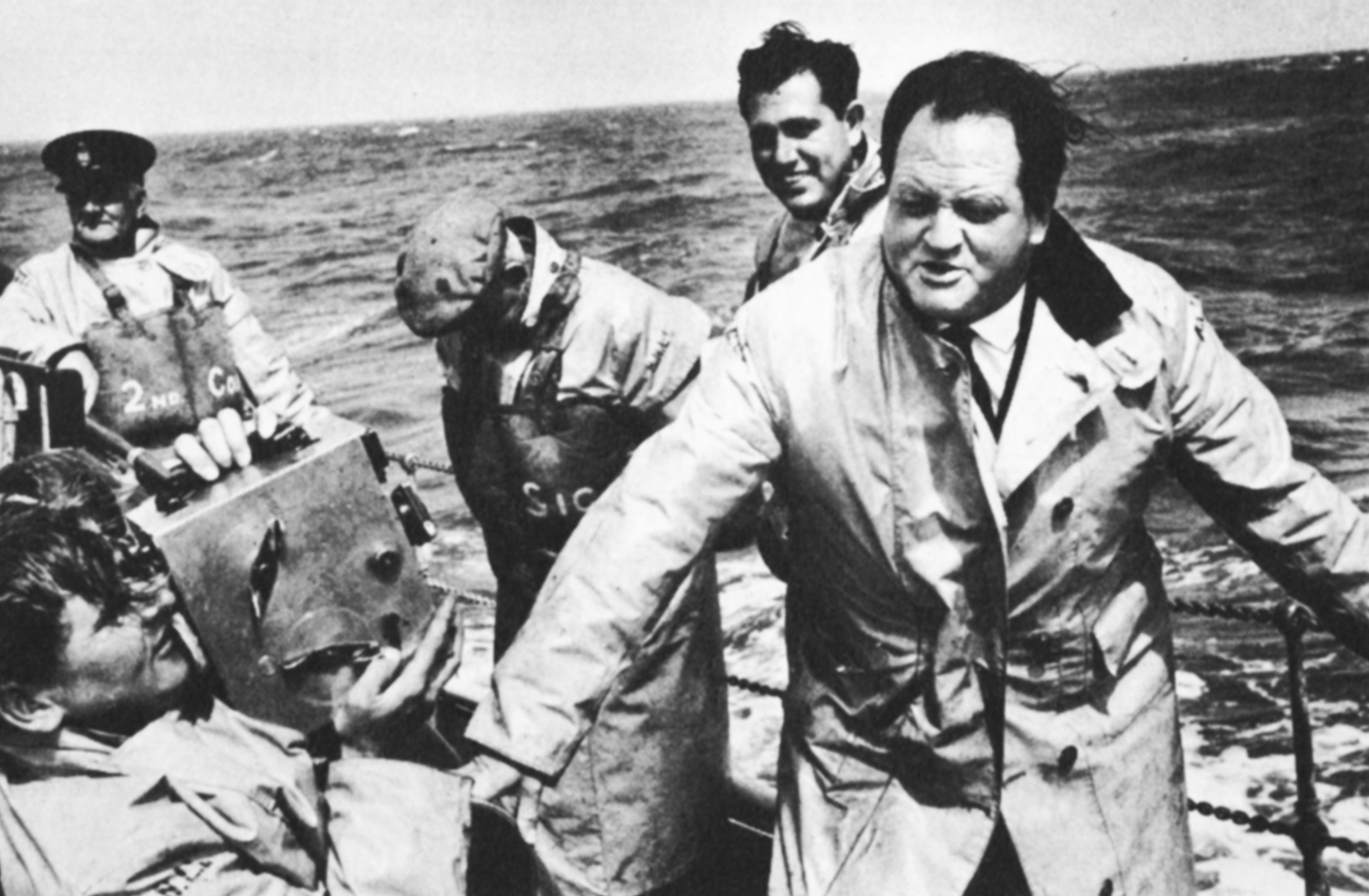
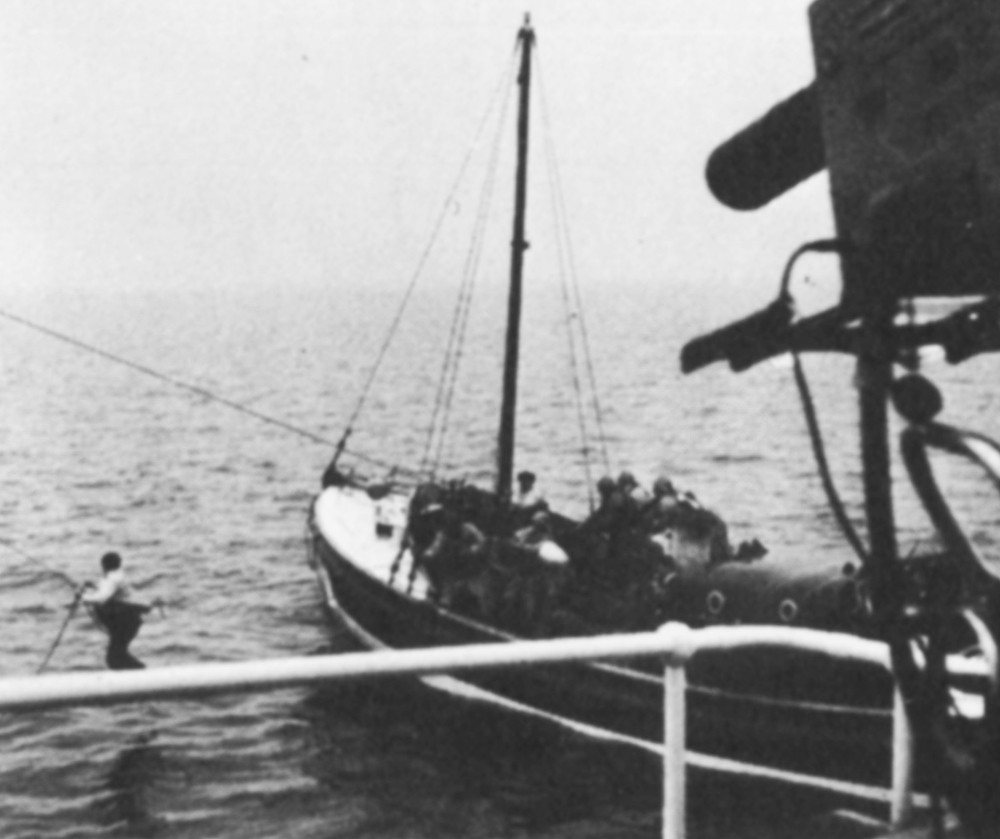
Dimbleby on a gale on a boat

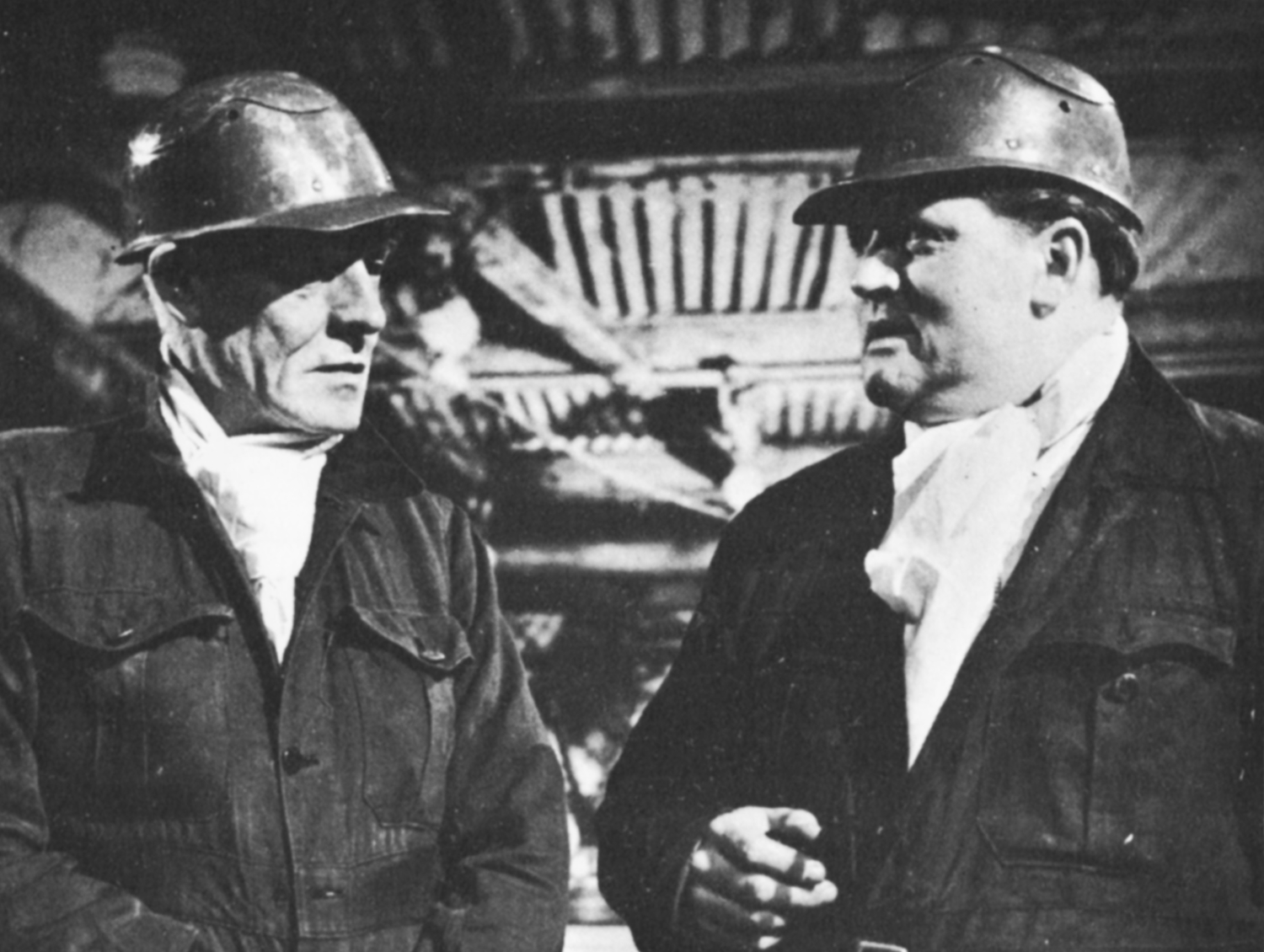
Dimbleby talks to a man. Both are wearing boiler suits and hard hats

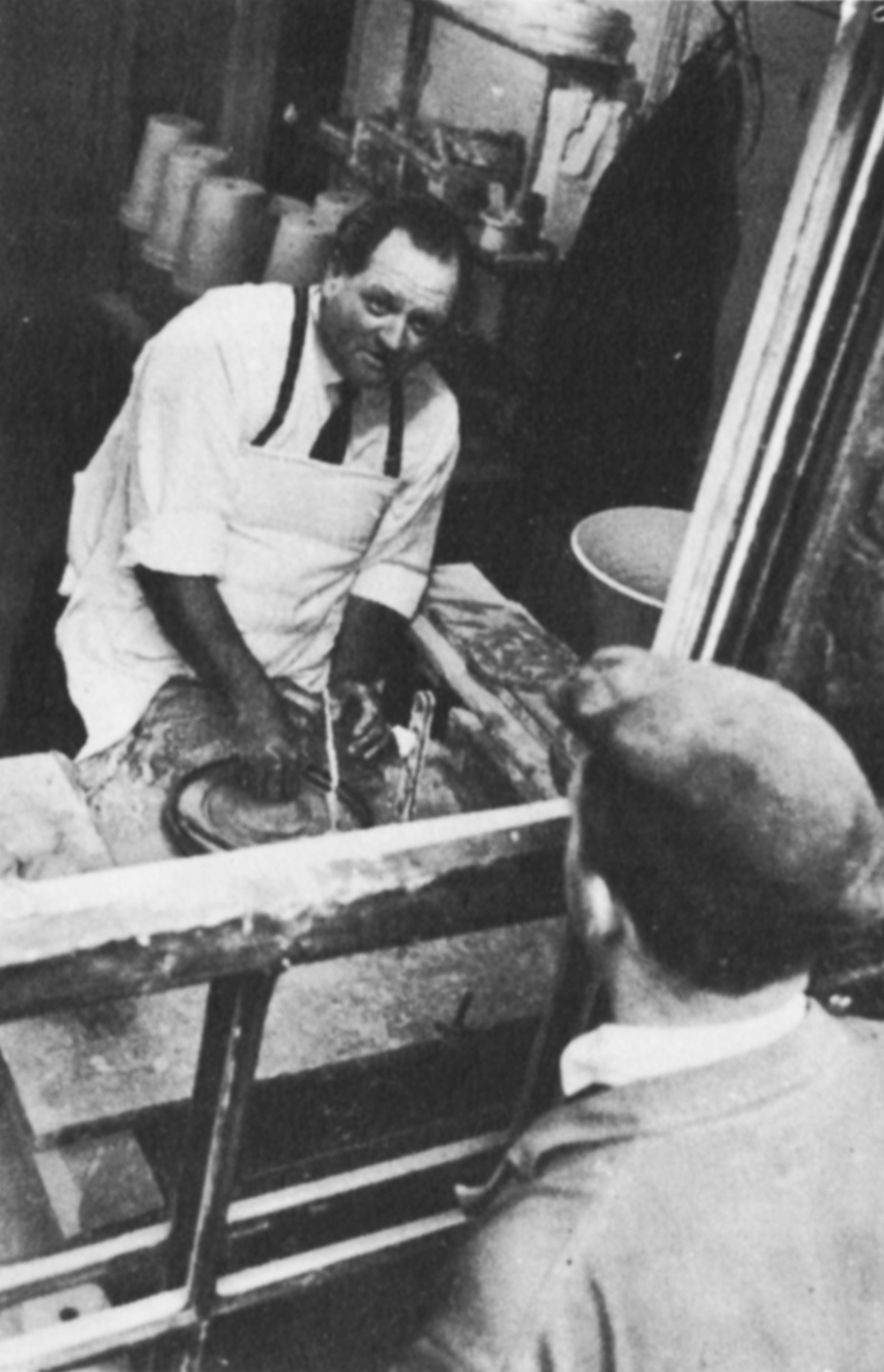
Dimbleby at a potter's wheel

When it came to the ‘live’ show much, and indeed all, depended on the professional rapport between Richard and Stephen McCormack. The show was usually studio-based, which meant that Richard had to rehearse and master his exact cues into film, and his moves left to right, right to left. He was dealing on the studio floor with participants who had no experience of marks and moves and telecine. Together with McCormack, he had the knack of putting people at their ease. Hearst and I often wrote the most complicated moves and cuts for him, from film to studio, from set to set across the studio. So far as I can recall he never got one wrong.

Hearst and I were usually up in the production gallery for transmission, standing behind McCormack. He took our badgering with the humour and calm which characterises him. I remember one time when an essential camera failed, McCormack simply said ‘good’ and pressed on. On the studio floor Dimbleby got the message and reacted as if nothing had happened.

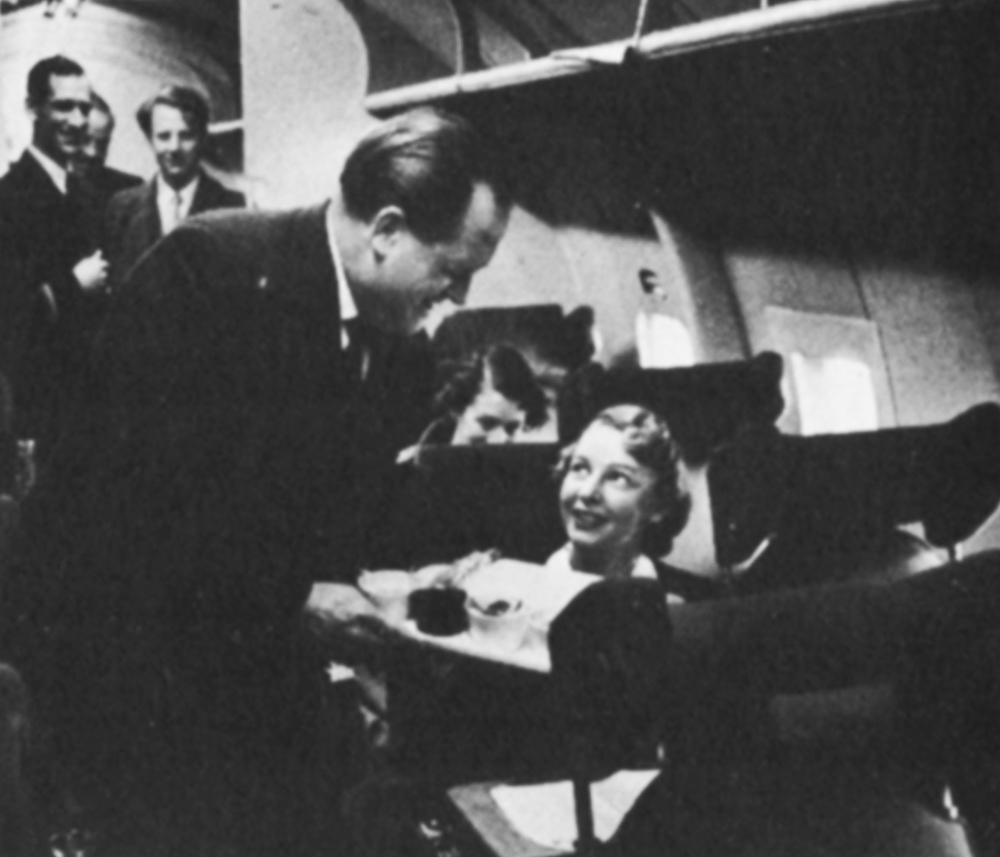
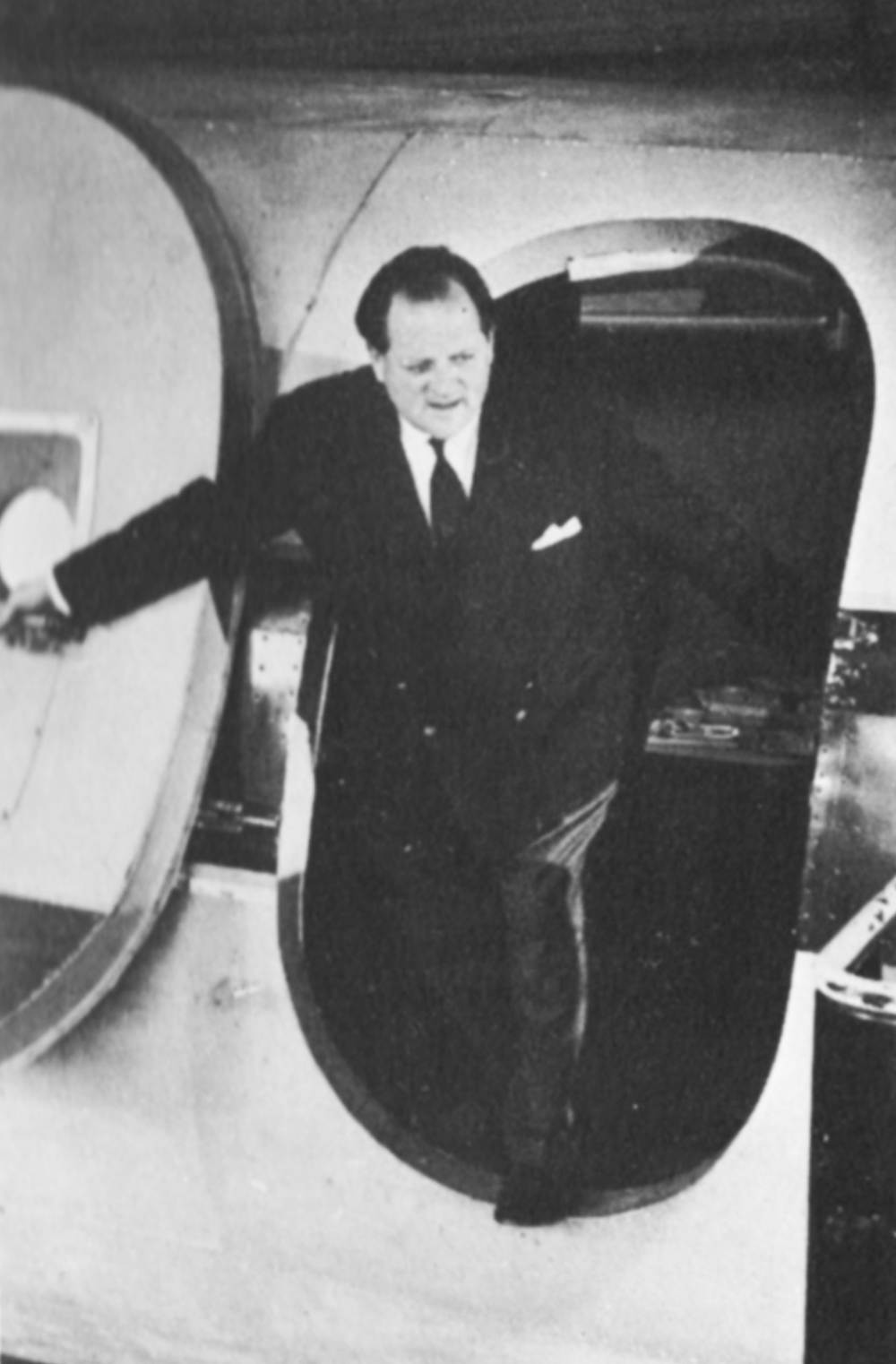
Dimbleby exits an aeroplane

He never queried anything we wrote for him unless it didn’t square with his particular view of the world. He would reject anything he thought snide or sour in the commentaries which we used to write for him overnight and sometimes only just before he recorded. I once suggested that he should say that a particular place in Wales was ‘ugly’. This he couldn’t take and asked for my co-operation in saying that ‘X is not the prettiest town I have seen’. A professional without malice is a rare bird.


In 1955 Independent Television started, and both Stephen McCormack and Peter Hunt went off to join its ranks. Richard Dimbleby received many tempting offers from the commercial companies to go over to them: he always refused, never asking the BBC even for a guarantee contract. He was a freelance who wished to broadcast only for the BBC, for fees which were agreed and regularly revised without acrimony.

He was naturally used for all the great state outside broadcasts, but one of his reasons for deciding to stay on the BBC side of the fence (apart from a profound belief in public service broadcasting) was his personal satisfaction that he had at last achieved a weekly current affairs programme in which his past experience in news and his wide knowledge of other countries could be regularly used to proper effect.